Stones In The Road

Album: Play Me Backwards (1992)
Play Video

Songfacts®:

  • This uptempo electric folk number is just the kind of song most Joan Baez fans would expect her to write, but "Stones In The Road" was actually written by Mary Chapin Carpenter, and is the title track of her fifth album, released in 1994, which topped the Billboard Country Chart.

    Mary Chapin Carpenter's original, which runs to 4 minutes 31 seconds, is a slow, acoustic version more like a dirge.
  • Like Baez, Carpenter came from a fairly privileged background, and graduated with a degree in American Civilization. Although she doesn't have the same human rights pedigree as Baez, this song hits all the same notes and poses the same unanswered questions, navigating through civil unrest in American cities during the 1960s and an enigmatic funeral precession, which may have been due to the Vietnam War.
  • The Baez version was actually recorded first; Carpenter is said to have pitched it to her during a joint concert appearance.
  • Interestingly, there appear to be two slightly different recordings of this.
    In one, Baez sings:

    "We pad the old expense account
    We doctor the receipt"

    While the other has slightly more bite:

    "We kiss your ass, we make you hold,
    We doctor the receipt..."

    The former though does seem to be more in keeping with the spirit of the song. >>>
    Suggestion credit:
    Alexander Baron - London, England, for all above, with acknowledgments to - Marina, Baltimore

Comments: 5

  • Arthur Fallowfield from Northants England.The funeral train was that of Bobby Kennedy which is pivotal to the song.
  • Matt from Clveland, OhSince MCC wrote the music and lyrics, most people would consider it wrong to say that another artist's cover cover would be superior, considering that the writer of the song is presenting the song as it was intended. While there is nothing wrong with Baez's version, Carpetner's version surpasses it every way.
  • Rich from Portsmouth, NhAs a Freshman I used to go down to the music room in our dorm--there was a scratchy scratchy copy of Farewell Angelina.
    Still, the stories + voice were poignant.
  • Alexander from London, United KingdomNot so clear to this Limey although I suppose it should have been, especially as I'm one of those rare types who believe Kennedy was murdered by Oswald rather than some airy fairy fanciful conspiracy.
  • Marina from Baltimore, MdThe "enigmatic funeral procession" was not due to the Vietnam War and not enigmatic at all. It was clearly a reference to the train carrying Robert Kennedy's body from New York to Washington. (Search YouTube for footage of the crowds that gathered spontaneously along the railroad tracks to pay homage, as Mary Chapin Carpenter's family evidently did). The widow who "kneeled with all their children" was Ethel Kennedy, then pregnant with her and RFK's 11th child. The second verse really works better with MCC singing it, because it recounts the tumultuous events of 1968 (both RFK's assassination and the riots following MLK's assassination) from the perspective of a 10-year-old child, which Mary was (Joan Baez was already a 27 year old folk goddess). The song is MCC's lament that her generation lost two important heroes that year, but it is also a plea to her peers not to sell out completely and abandon the ideals those men stood for.
see more comments

Editor's Picks

Andrew Farriss of INXS

Andrew Farriss of INXSSongwriter Interviews

Andrew Farriss on writing with Michael Hutchence, the stories behind "Mystify" and other INXS hits, and his country-flavored debut solo album.
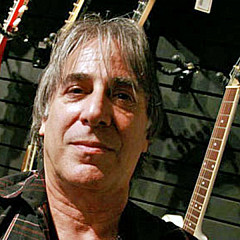
Danny Kortchmar

Danny KortchmarSongwriter Interviews

Danny played guitar on Sweet Baby James, Tapestry, and Running On Empty. He also co-wrote many hit songs, including "Dirty Laundry," "Sunset Grill" and "Tender Is The Night."
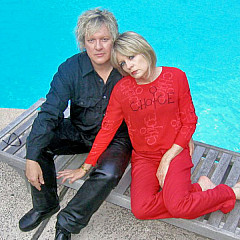
Chris Frantz - "Genius of Love"

Chris Frantz - "Genius of Love"They're Playing My Song

Chris and his wife Tina were the rhythm section for Talking Heads when they formed The Tom Tom Club. "Genius of Love" was their blockbuster, but David Byrne only mentioned it once.
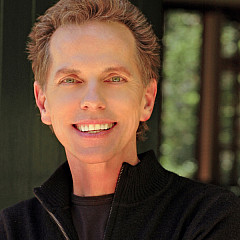
Dean Pitchford

Dean PitchfordSongwriter Interviews

Dean wrote the screenplay and lyrics to all the songs in Footloose. His other hits include "Fame" and "All The Man That I Need."
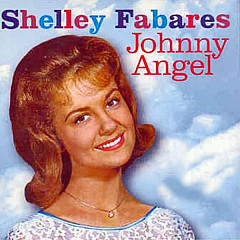
Who's Johnny, And Why Does He Show Up In So Many Songs

Who's Johnny, And Why Does He Show Up In So Many SongsSong Writing

For songwriters, Johnny represents the American man. He has been angry, cool, magic, a rebel and, of course, marching home.
Scott Gorham of Thin Lizzy and Black Star Riders

Scott Gorham of Thin Lizzy and Black Star RidersSongwriter Interviews

Writing with Phil Lynott, Scott saw their ill-fated frontman move to a darker place in his life and lyrics.