


Rihanna claims that "S&M" is about her love/hate relationship with the media. Apparently her paparazzi are using whips and chains.
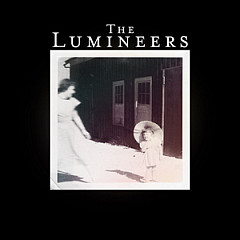
"Ho Hey" by The Lumineers is about New York City, where lead singer Wesley Schultz moved to make it in music. He was dismayed to find many "trust fund kids" in the music scene while he struggled to pay the rent.
"The Candy Man" is the opening song in the 1971 movie Willie Wonka And The Chocolate Factory, but the version released as a single was by Rat Pack member Sammy Davis Jr. It was a #1 hit and became his signature song even though his audience was very adult.

Christina Perri's "Jar Of Hearts," written about her ex, became a big hit after it was used in a routine on So You Think You Can Dance.
Paul McCartney wrote "Blackbird" in Scotland after reading about race riots in the US, triggered when federal courts forced the racial desegregation of the Arkansas capital's school system.
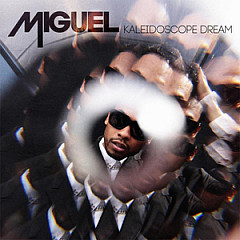
Miguel wrote "Adorn" about his girlfriend, the model and artist Nazanin Mandi, when he was returning home from a long trip and was anxious to see her.
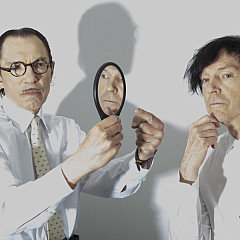
The men of Sparks on their album Hippopotamus, and how Morrissey handled it when they suggested he lighten up.

Dean's saga began with "Ariel," a song about falling in love with a Jewish girl from New Jersey.

What happens when Kurt Cobain, Iron Maiden and Johnny Lydon are told to lip-synch? Some hilarious "performances."
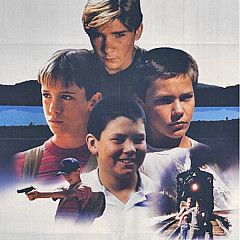
In 1986, a Stephen King novella was made into a movie, with a classic song serving as title, soundtrack and tone.

With Bernie Taupin, Martin co-wrote the #1 hits "We Built This City" and "These Dreams." After writing the Pretty Woman song for Go West, he had his own hit with "In the House of Stone and Light."
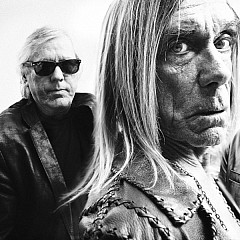
The Stooges guitarist (and producer of the Kill City album) talks about those early recordings and what really happened with David Bowie.