
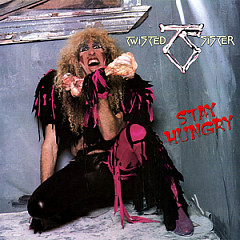
Musically, the Twisted Sister song "We're Not Gonna Take It" is based on the Christmas tune "O Come All Ye Faithful."
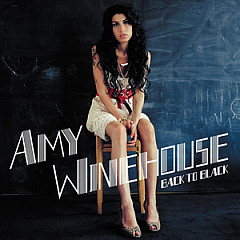
Amy Winehouse really did refuse "Rehab." She said she drank because she was lovesick, and "you can't go into rehab for that."
Neil Young's song "Old Man" was inspired by the caretaker of the ranch he bought in 1970. Neil was the young man at the time, just 25.
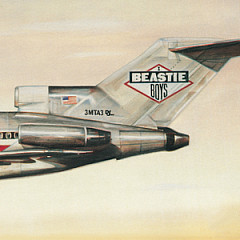
The Beastie Boys' "No Sleep Till Brooklyn" is a parody of heavy metal music. Kerry King of Slayer played guitar on the track - purposefully out of tune in parts.
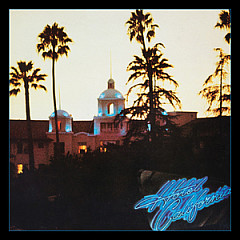
Many people believe "Hotel California" is about a mental institution called the Camarillo, but the Eagles say it's about materialism and excess.

Psy's "Gangnam Style" refers to a section of Seoul, South Korea, that is very fashionable. The guy in the song has all the right moves and loves the ladies.
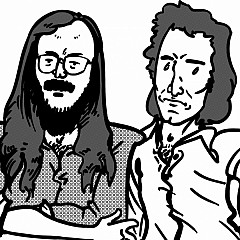
Did they really trade their guitarist to The Doobie Brothers? Are they named after something naughty? And what's up with the band name?
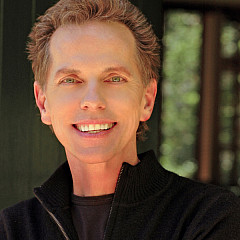
Dean wrote the screenplay and lyrics to all the songs in Footloose. His other hits include "Fame" and "All The Man That I Need."
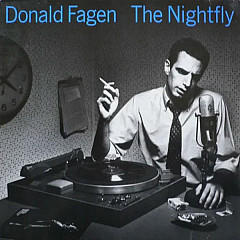
Fagen talks about how the Steely Dan songwriting strategy has changed over the years, and explains why you don't hear many covers of their songs.
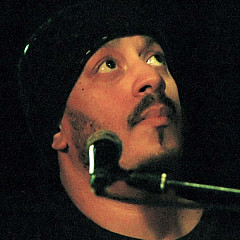
You may not recognize his name, but you will certainly recognize Peter Lord's songs. He wrote the bevy of hits from Paula Abdul's second album, Spellbound.
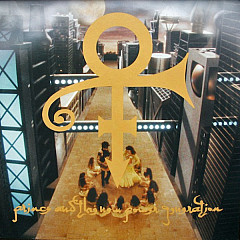
The evolution of the symbol that was Prince's name from 1993-2000.
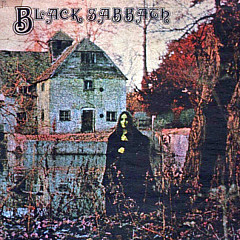
Just how much did these monsters of rock dabble in the occult?