Nirvana

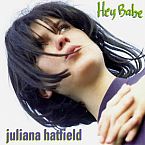
Album: Hey Babe (1992)
Play Video

Songfacts®:

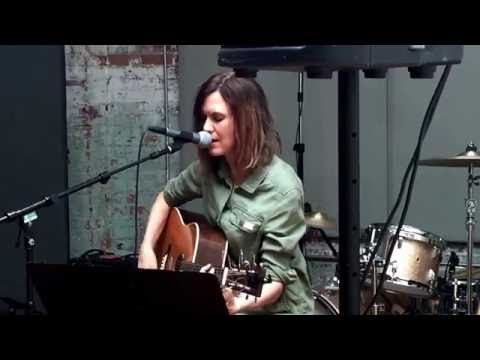
  • Hey Babe is the debut solo album from the Boston alt-rocker Juliana Hatfield. Before striking out on her own, the singer-songwriter performed with Blake Babies and The Lemonheads. She wrote "Nirvana" in honor of the grunge band, saying the track is "about my big love for Nirvana's first album, Bleach, specifically for the song 'Negative Creep,' which had inspired me so much."
  • In the song, Hatfield is bored with life and contemplating suicide until a Nirvana song reminds her she still has something to live for. "I got Nirvana in my head, I'm so glad I'm not dead," she sings.
  • Hatfield met Kurt Cobain once at a meet-and-greet after a Nirvana concert in New York while the band was promoting In Utero. The space was cramped and noisy, so the two didn't have a chance to talk for more than a couple minutes, which was something Cobain was sorry for afterwards. He wrote Hatfield a letter apologizing for the "snub," and praising her for the songs "Nirvana" and "My Sister," the latter being from her next album, Become What You Are. Decades later, Hatfield struggled over whether to sell the letter, which gained even more significance after Cobain's untimely death in 1994. The asking price: $20,000. Hatfield wrote of the handwritten note's importance on Talkhouse in 2016:

    "I'm glad I held on to it. The letter is a record of a moment in my life and career - and in the life and career of an American rock & roll phenom who didn't live to play many more shows or to write many more letters. But, more important, it is a record of Kurt Cobain's thoughtfulness, sensitivity, generosity, humility and humor, as well as his embarrassment and conflict about his popularity."
  • Hatfield hated Hey Babe after it was finished because it contradicted the image she wanted to portray. She told Consequence of Sound in 2015: "I had this idea of myself as a rock and roller, and I thought I was going to continue this rock and roll tradition, but somehow it didn't come out that way, and I didn't understand. I didn't like the sound of my voice. I thought it was too girly and young sounding. It just didn't sound like what inspired it."
  • Despite her original reaction to the album, Hatfield celebrated Hey Babe's 25th anniversary with a vinyl reissue. When asked by Guitar Player if songwriting feels different to her these days compared to two decades ago, she replied: "It does and it doesn't. I mean, I still do it the same way. It's still just me alone in a room with an acoustic guitar. But I'm less miserable now. I'm not so focused on my own anguish in my songs. I think my subject matter has shifted a little bit away from myself. The new album is still kind of inner directed, but I'm not as anguished as a songwriter. I'm more confident, maybe. I don't know if that makes my work better or worse. Some people want their artists to be tortured and suicidal."
  • Lemonheads frontman Evan Dando shares guitar duties with Hatfield on the album. The same year, Hatfield played bass on Lemonheads' album It's A Shame About Ray.

Comments

Be the first to comment...

Editor's Picks

Holly Knight ("The Best," "Love Is A Battlefield")

Holly Knight ("The Best," "Love Is A Battlefield")Songwriter Interviews

Holly Knight talks about some of the hit songs she wrote, including "The Warrior," "Never" and "The Best," and explains some songwriting philosophy, including how to think of a bridge.

Maxi Priest

Maxi PriestSongwriter Interviews

The British reggae legend tells the story of his #1 hit "Close To You," talks about his groundbreaking Shabba Ranks collaboration "Housecall," and discusses his latest project with Robin Trower.

Paul Stanley of Kiss, Soul Station

Paul Stanley of Kiss, Soul StationSongwriter Interviews

Paul Stanley on his soul music project, the Kiss songs with the biggest soul influence, and the non-make-up era of the band.

Second Wind Songs

Second Wind SongsSong Writing

Some songs get a second life when they find a new audience through a movie, commercial, TV show, or even the Internet.

Bob Daisley

Bob DaisleySongwriter Interviews

Bob was the bass player and lyricist for the first two Ozzy Osbourne albums. Here's how he wrote songs like "Crazy Train" and "Mr. Crowley" with Ozzy and Randy Rhoads.

Devo

DevoSongwriter Interviews

Devo founders Mark Mothersbaugh and Jerry Casale take us into their world of subversive performance art. They may be right about the De-Evoloution thing.