Toxic

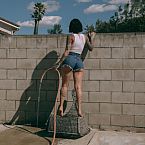
Album: It Was Good Until It Wasn't (2020)
Charted: 68
Play Video

Songfacts®:

  • This is a reflective track in which Kehani details a "toxic" romance that she likens to a "damn drug." Though they regularly quarreled in the relationship, the sex was great. Now, Kehlani is tempted to come back for more, blaming her clouded judgment on the Don Julio she is sipping.
  • Fans speculated that Kehlani is recounting her relationship with West Coast rapper YG, whom she dated on and off between September 2019 and February 2020. The Oakland songstress has not been shy about detailing their romance on disc, having released a joint Valentine's Day single with him, "Konlusions." She also discussed his unfaithfulness on "You Know Wassup" and "Valentine's Day (Shameful)."
  • Kehlani freestyled most of the self-penned track. In a tweet, she clarified that the word "knock" she uses on the chorus is Bay Area slang for a "crackhead."
  • An uncredited Ty Dolla $ign lends background vocals on the song. Among his other contributions to Kehlani's music is a verse on her 2019 single "Nights Like This." At the time, Kehlani told Beats 1's Zane Lowe that the pair had worked on other songs they had yet to drop.
  • Production is by KBeaZy, who has worked with Roddy Ricch and G.Ry, who is a producer for PartyNextDoor. According to G.Ry, they crafted "Toxic" on a productive night: "The night Kehlani did 'Toxic' we did about four to five records... she's the real deal."
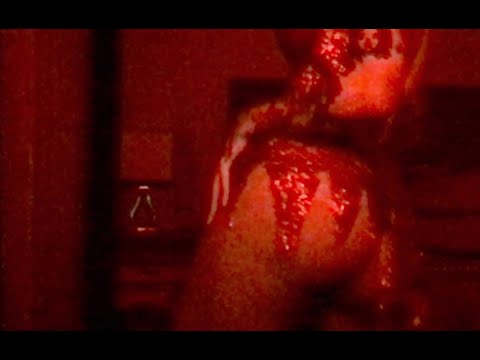
  • Kehlani filmed the song's steamy music video herself while self-isolating at home during the coronavirus pandemic. Using what appears to be a computer camera, the songstress records herself twerking and posing in a variety of seductive outfits.
  • After completing the It Was Good Until It Wasn't album in Canada with Drake's in-house producer Boi-1da, Kehlani stopped by Drizzy's house. She told Apple Music how the pair had a "life conversation," which birthed her album title.

    "I was just talking about personal life and I was just like, 'Man, yeah, it was good until it wasn't,'" she recalled. Drake asked her to repeat her last comment. When Kehlani did so, the Toronto native responded, "That's your album."

    Kehlani agreed, as it "just summed up everything when I try to have this really long-winded explanation to you about the project."
  • Kehlani was waiting to get the green light from her record company to release It Was Good Until It Wasn't when the coronavirus lockdown put a spanner in the works. Rather than playing the waiting game, she took matters into her own hands and filmed this song's video on her laptop. "I put it out, just wine drunk, in the middle of the night and things went crazy," she smiled to The Guardian.

    The day after she dropped the video, the label called. "They were like: 'If you've decided you want to take everything into your own hands you're welcome to drop [the album].'"

Comments

Be the first to comment...

Editor's Picks

Graham Nash

Graham NashSongwriter Interviews

Graham Nash tells the stories behind some of his famous songs and photos, and is asked about "yacht rock" for the first time.

Ralph Casale  - Session Pro

Ralph Casale - Session ProSongwriter Interviews

A top New York studio musician, Ralph played guitar on many '60s hits, including "Lightnin' Strikes," "A Lover's Concerto" and "I Am A Rock."

Rob Halford of Judas Priest

Rob Halford of Judas PriestSongwriter Interviews

Rob Halford dives into some of his Judas Priest lyrics, talking about his most personal songs and the message behind "You've Got Another Thing Comin'."

Corey Hart

Corey HartSongwriter Interviews

The Canadian superstar talks about his sudden rise to fame, and tells the stories behind his hits "Sunglasses At Night," "Boy In The Box" and "Never Surrender."

Incongruent Opening Acts

Incongruent Opening ActsSong Writing

Here's what happens when an opening act is really out of place with the headliner, like when Beastie Boys opened for Madonna.

Edwin McCain

Edwin McCainSongwriter Interviews

"I'll Be" was what Edwin called his "Hail Mary" song. He says it proves "intention of the songwriter is 180 degrees from potential interpretation by an audience."