Til Summer Comes Around

Album: Defying Gravity (2009)
Charted: 58
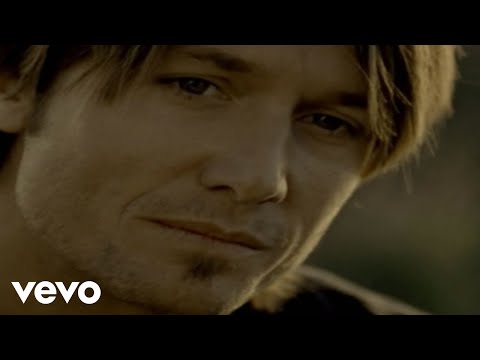
Play Video

Songfacts®:

  • Urban wrote this song with his frequent collaborator Monty Powell. He told the story of this song on the now-defunct review site Roughstock: "I had this idea about a theme park. For me, there's something fascinating and deeply sad about theme parks in the wintertime when they're shut down. I loved that metaphor. So I said to Monty that I wanted to write about a guy who meets a girl at a theme park. They have this brief fling and she says she'll be back, so every year he's still there waiting. 'Longing' is such a powerful feeling, and if you're going to write about love, that's a powerful way to get at it."
  • Monty Powell told AOL's The Boot the story behind this song: "Keith had this beautiful, atmospheric guitar thing he was doing one day when we were writing together. I had been thinking that Keith hasn't made his mark with a lot of dark or moody pieces of material. I just thought he should tell a story from the perspective of someone who isn't a winner, because Keith is usually a winner in all his songs. This is a story about a guy who falls in love with a girl one summer in an amusement park.

    She leaves and doesn't come back. He is so desperate that he actually takes a job as a mechanic in the amusement park, hoping that one of these summers she'll come back and they can rekindle that romance. I think it puts Keith in an interesting perspective, to speak about love from that standpoint.

    When Keith started playing the guitar riff that opens up the song, we felt it conjured up the ocean in winter... when it's cold and slate gray. It wasn't long after that we started thinking about an empty boardwalk and then we thought, 'There's nothing more desolate than an empty amusement park, where nothing is moving. All the rides have stopped and all the people are gone.' We went on to write the song from these images we thought about after he was playing the guitar riff. We still demo the songs we write on cassette, believe it or not. When we finish a song, we'll turn on a drum machine; I'll play bass, Keith will play guitar, and we'll just get around the cassette player and work on it until it sounds good.

    Generally most of our rough work tapes that go to Keith's producer, Dann Huff, go from us writing the song to the cassette player and then into the studio. When I first started out in my career as a songwriter, I will say that I honestly was worried when I turned a song over to an artist to record. [Now] I'm such a part of the artist process, and I'm usually writing it with an artist, that I'm handing if off into good hands. The records usually surprise me in how much more the artist brings to the song. I didn't hear this record until it was done and that was on purpose. I got to sit down and experience the song in its finished form, and it is a really beautiful record."

Comments: 1

  • James Armstrong from WisconsinGood Reminder for if that same thing happens to me
see more comments

Editor's Picks

Does Jimmy Page Worship The Devil? A Look at Satanism in Rock

Does Jimmy Page Worship The Devil? A Look at Satanism in RockSong Writing

We ring the Hell's Bells to see what songs and rockers are sincere in their Satanism, and how much of it is an act.

Bryan Adams

Bryan AdamsSongwriter Interviews

What's the deal with "Summer of '69"? Bryan explains what the song is really about, and shares more of his songwriting insights.

Rush: Album by Album - A Conversation With Martin Popoff

Rush: Album by Album - A Conversation With Martin PopoffSong Writing

A talk with Martin Popoff about his latest book on Rush and how he assessed the thousands of albums he reviewed.

Spooner Oldham

Spooner OldhamSongwriter Interviews

His keyboard work helped define the Muscle Shoals sound and make him an integral part of many Neil Young recordings. Spooner is also an accomplished songwriter, whose hits include "I'm Your Puppet" and "Cry Like A Baby."

Gary Brooker of Procol Harum

Gary Brooker of Procol HarumSongwriter Interviews

The lead singer and pianist for Procol Harum, Gary talks about finding the musical ideas to match the words.

Who's Johnny, And Why Does He Show Up In So Many Songs

Who's Johnny, And Why Does He Show Up In So Many SongsSong Writing

For songwriters, Johnny represents the American man. He has been angry, cool, magic, a rebel and, of course, marching home.