Wardance

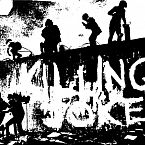
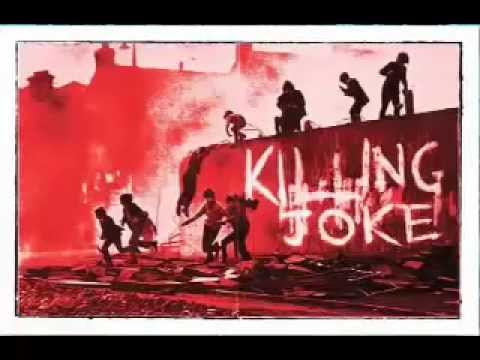
Album: Killing Joke (1980)
Play Video

Songfacts®:

  • This primal track was the first single from Killing Joke's first full-length album. It served as a great introduction to the band. Lead singer Jaz Coleman said in Creem: "That's a great song, an animal song. It's about the nature of man, the subconscious demand for blood. It's about coming to terms with that."
  • The tribal drums and dance rhythm on this track provided a fresh sound that got a lot of attention and came to be labeled "post-punk." An early adopter was the influential BBC DJ John Peel, who gave it lots of airplay and raved about the song, saying that he thought it was an established band recording under an assumed name. Peel had Killing Joke on his Peel Sessions show, giving the band considerable exposure.
  • Coleman wore war paint on his face around this time to provide a visual counterpart to their sound. When they performed this song, Killing Joke would sometimes have performers on stage doing a fire act. In the early days, a friend of theirs dubbed "The Wizard" would do the act.
  • "War Dance" is a dark and foreboding song that reflects the band's apocalyptic and dystopian worldview. The lyrics explore themes of war, destruction, chaos, and the dehumanizing effects of modern society. The song conveys a sense of urgency and a call for resistance against oppressive forces.
  • Jaz Coleman, drummer Paul Ferguson and bassist Youth wrote the lyrics. "'Wardance' is saying 'Resist, resist, resist,'" Youth told Mojo magazine. "I'm sure Jaz and Paul were writing about nuclear war and the prevailing paranoia of existential destruction - we all thought about that all the time and it's what gave us a big creative surge. But for me it's a reference to the war dance of the Native American Indians as a way of banding together and resisting the encroachment of their land by colonial forces."

    "I've been told it was used in the first Iraqi war by soldiers going into battle," Youth added. "That was weird for us because it's an antiwar song."
  • Killing Joke recorded "Wardance" three times. The first recording was made in 1979 with Mark Lusardi and released as their debut single in February 1980. The band was not entirely satisfied with the result, so they laid it down again for their debut album, Killing Joke, at London's Marquee Studio with engineer Phil Harding. The third and final recording was made in 1981 for John Peel's BBC Radio 1 show.

    "They are each radically different-sounding recordings, although the structure itself didn't change," Paul Ferguson told Mojo. "We always had difficulty placing the bass riff at the mix of the choruses with the floor toms I was playing."

    "The 'Wardance' single is more uptempo," he added. "The drums are more compressed, Youth's bass guitar more present, Geordie's buzzsaw guitar cutting away, Jaz sings with more snark and my vocal is forward in the crowd choruses."
  • "Wardance" didn't chart in the UK but reached #50 in the US Billboard Dance Music/Club Play singles chart.

Comments

Be the first to comment...

Editor's Picks

Stephen Christian of Anberlin

Stephen Christian of AnberlinSongwriter Interviews

The lead singer/lyricist for Anberlin breaks down "Impossible" and covers some tracks from their 2012 album Vital.

Emilio Castillo from Tower of Power

Emilio Castillo from Tower of PowerSongwriter Interviews

Emilio talks about what it's like to write and perform with the Tower of Power horns, and why every struggling band should have a friend like Huey Lewis.

Art Alexakis of Everclear

Art Alexakis of EverclearSongwriter Interviews

The lead singer of Everclear, Art is also their primary songwriter.

Graham Bonnet (Alcatrazz, Rainbow)

Graham Bonnet (Alcatrazz, Rainbow)Songwriter Interviews

Yngwie Malmsteen and Steve Vai were two of Graham's co-writers for some '80s rock classics.

They Might Be Giants

They Might Be GiantsSongwriter Interviews

Who writes a song about a name they found in a phone book? That's just one of the everyday things these guys find to sing about. Anything in their field of vision or general scope of knowledge is fair game. If you cross paths with them, so are you.

Who's Johnny, And Why Does He Show Up In So Many Songs

Who's Johnny, And Why Does He Show Up In So Many SongsSong Writing

For songwriters, Johnny represents the American man. He has been angry, cool, magic, a rebel and, of course, marching home.