Puss N' Boots / These Boots (Are Made For Walking)

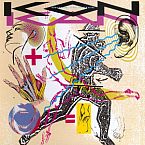
Album: Move To Move (1989)
Charted: 58
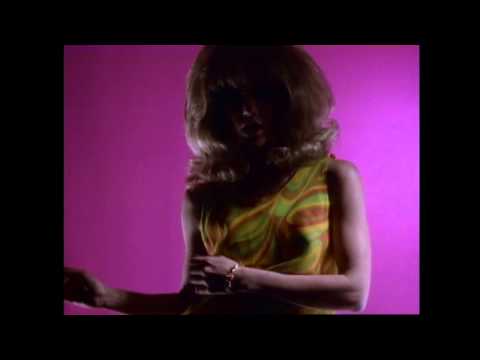
Play Video

Songfacts®:

  • Kon Kan made their biggest impact with "I Beg Your Pardon," which pulls a sample of Lynn Anderson's "(I Never Promised You A) Rose Garden" for the hook. "Puss N' Boots," the next single, uses a similar technique, taking from Nancy Sinatra's 1966 #1 hit "These Boots Are Made For Walkin'." This combination of verses sung by a guy with a female voice coming in for the chorus was inspired by the 1987 Pet Shop Boys collaboration with Dusty Springfield, "What Have I Done To Deserve This?"
  • There have been cases of artists writing sequels to songs by others - "Major Tom (I'm Coming Home)" by Peter Schilling comes to mind - but this is the only prequel we know of. The lyric imagines the events leading up to Nancy Sinatra's "These Boots Are Made For Walkin'," as the love affair crumbles before she walks away.
  • The title is a play on Puss In Boots, a centuries-old fairy tale about a swashbuckling kitty - he shows up in the Shrek franchise.
  • Kon Kan is the work of Barry Harris, a Canadian producer who gained access to lots of synthesizers, drum machines and samplers in the late '80s and used them to create danceable songs filled with familiar samples. In a Songfacts interview with Harris, he explained how "Puss N' Boots" came together. "That song was a 'throwaway' song to me," he said. "It was the DJ in me and songwriter in me that came up with that idea. I knew I had to come up with another 'I Beg Your Pardon' type of novelty concept, so that is what I came up with. The lyrics were basically, Hmmm, what would be the other side of the story for her to sing "These Boots Are Made For Walkin'"? So I came up with having to create verses that would kind of be a prequel to the original 'These Boots Are Made For Walkin'.' Kind of a "no brainer" of a song and more of a medley and mash of different songs and ideas all thrown in together."
  • Barry Harris used the "puss" moniker once again when he got together with Chris Cox to form the production team Thunderpuss in 1997. They're known for their remixes, most famously of Whitney Houston's "It's Not Right But It's Okay."

    "Later on in the Thunderpuss years I met Nancy Sinatra backstage at The Whisky around '99 or 2000," Harris said. "I didn't bother to bring up Kon Kan though. Her manager was hoping we'd remix something new she was working on at the time."
  • This song interpolates the guitar riff from Led Zeppelin's "Good Times, Bad Times," Robert Plant's wail from Zep's "Immigrant Song," and the riff from the 1957 classic "Tequila" by The Champs. This was a time when the legalities of samples and interpolations were still being sorted out. Kon Kan was signed to Atlantic Records, which got the rights. It helped that Led Zeppelin was also on Atlantic.

Comments

Be the first to comment...

Editor's Picks

Facebook, Bromance and Email - The First Songs To Use New Words

Facebook, Bromance and Email - The First Songs To Use New WordsSong Writing

Where words like "email," "thirsty," "Twitter" and "gangsta" first showed up in songs, and which songs popularized them.
Daryl Hall

Daryl HallSongwriter Interviews

Daryl Hall's TV show is a hit, and he's been inducted into the Rock and Roll Hall of Fame - only one of these developments excites him.

Mark Arm of Mudhoney

Mark Arm of MudhoneySongwriter Interviews

When he was asked to write a song for the Singles soundtrack, Mark thought the Seattle grunge scene was already overblown, so that's what he wrote about.

Al Jourgensen of Ministry

Al Jourgensen of MinistrySongwriter Interviews

In the name of song explanation, Al talks about scoring heroin for William Burroughs, and that's not even the most shocking story in this one.

The Fratellis

The FratellisSongwriter Interviews

Jon Fratelli talks about the band's third album, and the five-year break leading up to it.

Chris Frantz of Talking Heads

Chris Frantz of Talking HeadsSongwriter Interviews

Talking Heads drummer Chris Frantz on where the term "new wave" originated, the story of "Naive Melody," and why they never recorded another cover song after "Take Me To The River."