Don't Let the Bastards (Get You Down)

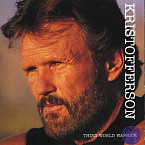
Album: Third World Warrior (1990)
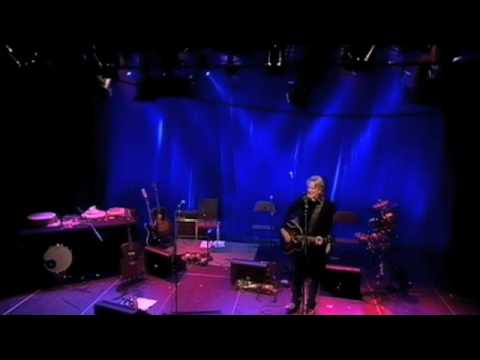
Play Video

Songfacts®:

  • This song is Kris Kristofferson's commentary on American military operations overseas. The first line makes his stance crystal clear:

    They're killing babies in the name of freedom

    The song was released in March 1990, before the US invaded Iraq. Kristofferson doesn't refer to a specific conflict in the song, but the most recent one was an invasion of Panama in December 1989 to oust the dictator Manuel Noriega.

    George H. W. Bush was the US president at this time, and for the most part, Americans supported his military incursions, including Panama. This put Kristofferson at odds with the listening public, especially in the realm of country music. He took a lot of heat but stuck to his guns, remaining outspoken in condemning American military policy.

    Unlike many who took him to task, Kristofferson had a distinguished career in the military before he became a singer-songwriter. He joined the Army in 1960 and rose to the rank of captain before leaving in 1965.
  • "Don't let the bastards get you down" was a credo for Kristofferson and became his catch phrase. It's a statement of integrity, holding to what you know is true in the face of staunch opposition. He evoked it in 1992 after he introduced another rabble-rouser, Sinéad O'Connor, at a Bob Dylan tribute concert in Madison Square Garden. O'Connor was under fire for tearing up a photo of the Pope on live TV, and when she took the stage, a chorus of boos erupted along with a smattering of supportive cheers. She stood motionless until Kristofferson returned to encourage her, saying, "Don't let the bastards get you down."

    O'Connor was slated to sing Dylan's "I Believe In You," but pivoted to an a cappella rendition of Bob Marley's "War." This drew even more contempt from the crowd.

    Kristofferson stuck by her and even wrote a song about her, "Sister Sinead," which appears on his 2009 album Closer To The Bone.
  • In the wake of the Gulf War, Kristofferson changed the lyrics to the spoken part when he performed the song live to some variation of this passage:

    Bombin' Baghdad back into the stone age
    Around the clock non-stop
    Killed them in their homes and on their highways
    Then after a decade of crippling sanctions we decided to do it all over again
    Fighting terrorism
  • This was included on Kristofferson's album Third World Warrior, which is loaded with political songs, including the title track. Around this time, he was also active with his group The Highwaymen, which also included Johnny Cash, Willie Nelson and Waylon Jennings.

Comments: 1

  • Scobratec from Chicago, IlThis song title brings to mind the U2 song "Acrobat" off the Achtung Baby album, where Bono uses the lyric "Don't let the bastards grind you down."
see more comments

Editor's Picks

Mike Love of The Beach Boys

Mike Love of The Beach BoysSongwriter Interviews

The lead singer/lyricist of The Beach Boys talks about coming up with the words for "Good Vibrations," "Fun, Fun, Fun," "Kokomo" and other classic songs.

Jim McCarty of The Yardbirds

Jim McCarty of The YardbirdsSongwriter Interviews

The Yardbirds drummer explains how they created their sound and talks about working with their famous guitarists.

American Hits With Foreign Titles

American Hits With Foreign TitlesSong Writing

What are the biggest US hits with French, Spanish (not "Rico Suave"), Italian, Scottish, Greek, and Japanese titles?

He Hit Me (And It Felt Like A Kiss): A History Of Abuse Pop

He Hit Me (And It Felt Like A Kiss): A History Of Abuse PopSong Writing

Songs that seem to glorify violence against women are often misinterpreted - but not always.

The Police

The PoliceFact or Fiction

Do their first three albums have French titles? Is "De Do Do Do, De Da Da Da" really meaningless? See if you can tell in this Fact or Fiction.

Laura Nyro

Laura NyroSongwriting Legends

Laura Nyro talks about her complex, emotionally rich songwriting and how she supports women's culture through her art.