Bloody Mary

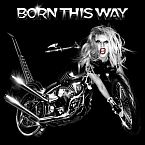
Album: Born This Way (2011)
Charted: 22 41
Play Video

Songfacts®:

  • This spooky electro ballad is sung from the perspective of Mary Magdalene, who was one of Jesus' most celebrated disciples and the first person to see Jesus after he rose from the dead. Gaga told NME: "I believe that Mary Magdalene was both fully divine and fully human. She has to be strong when Jesus fulfills the prophecy to die for everyone's sins, but she still has the moment of humanity where she's upset to let him go. She had to be a superstar, but she must have cried too."
  • The song finds Gaga singing a line in French, "Je ne veux pas mourir toute seule" ("I don't want to die alone"). She also concludes the song with the Portuguese phrase "Liberdade e Amor" ("Freedom and love").
  • "Bloody Mary" is part of Lady Gaga's 2011 album Born This Way. The album's musical producer, Fernando Garibay, told MTV News the electro-pop tune was developed from a track that was put together by co-producer DJ White Shadow.

    "This is another one that started on a White Shadow track," he recalled. "I remember [Gaga] played this to me in Australia and we sat down and ... opened up the track and she started singing [the melody and lyrics] to it. We came back and added a few more parts to it and facilitated with the production of the record," he continued. "Again, it stayed pretty much intact as the original demo. It's a beautiful song. It's very personal to her. It's pretty bold."
  • From about 2010-2014, Gaga owned a vintage blood red Rolls-Royce that she named "Bloody Mary." She didn't have her driver's license yet (she got it in 2016), but Rolls Royces are meant to be driven by chauffeurs.
  • In a Facebook post shortly after the album was released, Gaga explained: "Bloody Mary is about living halfway between reality and fantasy. I went to a dirty party in Berlin, and wrote Scheiße the next day. It's about wanting to be bad without permission."
  • The song got a new lease of life in late 2022 after the Little Monsters remixed and edited it into a dance scene on the supernatural comedy horror TV show Wednesday. The scene features in the fourth episode of the Netflix show, where the title character (Jenna Ortega) takes to the dance floor and channels some goth moves. The song Wednesday actually dances to in the scene is The Cramps' 1981 cover of Ronnie Cook and the Gaylads' "Goo Goo Muck," but Gaga's fans believe "Bloody Mary" should have been the song used for the dance.

    The fan recreations went viral on TikTok, causing a massive spike in streams. "Bloody Mary" landed on the singles charts worldwide for the first time, 11 years after the release of Born This Way.

Comments: 2

  • Scarin from BrazilWow, I never realized she says 'Liberdade e Amor'! Now I love it even more! :P
  • Lisl from Cape Town, South AfricaScheiBe is about wanting to be bad without permission... not Blood Mary.
see more comments

Editor's Picks

Rush: Album by Album - A Conversation With Martin Popoff

Rush: Album by Album - A Conversation With Martin PopoffSong Writing

A talk with Martin Popoff about his latest book on Rush and how he assessed the thousands of albums he reviewed.

Let Me Be Your Teddy Bear: Teddy Bears and Teddy Boys in Songs

Let Me Be Your Teddy Bear: Teddy Bears and Teddy Boys in SongsSong Writing

Elvis, Little Richard and Cheryl Cole have all sung about Teddy Bears, but there is also a terrifying Teddy song from 1932 and a touching trucker Teddy tune from 1976.
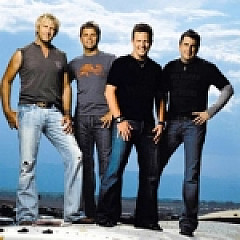
Richie McDonald of Lonestar

Richie McDonald of LonestarSongwriter Interviews

Richie talks about the impact of "Amazed," and how his 4-year-old son inspired another Lonestar hit.
Metallica

MetallicaFact or Fiction

Beef with Bon Jovi? An unfortunate Spandex period? See if you can spot the true stories in this Metallica version of Fact or Fiction.
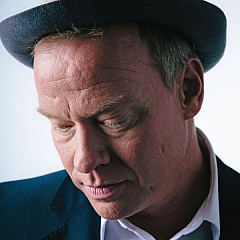
Shawn Mullins

Shawn MullinsSongwriter Interviews

"Lullaby" singer Shawn Mullins on "Beautiful Wreck," beating the Devil, and his writing credit on the Zac Brown Band song "Toes."
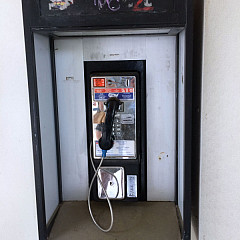
Phone Booth Songs

Phone Booth SongsSong Writing

Phone booths are nearly extinct, but they provided storylines for some of the most profound songs of the pre-cell phone era.