Nevermore

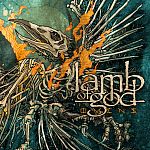
Album: Omens (2022)
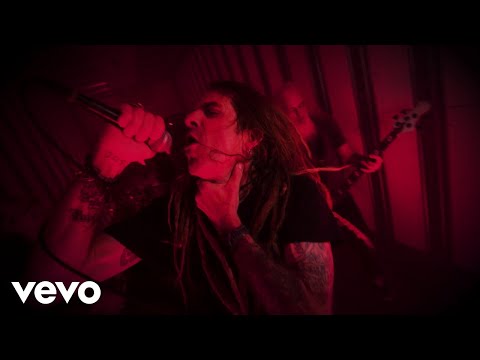
Play Video

Songfacts®:

  • Lamb Of God frontman Randy Blythe wrote "Nevermore" about his hometown of Richmond, Virginia. He talks about the city's sordid history with its monuments to principals of the Confederacy. "There's a lot of atrocity and inhumanity and dark history that happened in Richmond," he told Apple Music, "and it's all in the song."
  • The song's gothic/horror-tinged lyrics call back Baltimore's favorite author, the Richmond-raised writer Edgar Alan Poe.

    This is a reckoning
    You hear the raven's scream
    Hanging by a threat
    So go and choke on it


    Edgar Allan Poe's 1845 narrative mystery poem The Raven tells the story of a mysterious talking raven that visits a distraught lover. The man laments the loss of his sweetheart, Lenore, and slowly goes insane.
  • The literal meaning of "nevermore" is "not happening again." The title only appears in the song's outro, where Blythe repeats it twice. In Poe's poem, the raven distresses the man by constantly repeating the word "nevermore" to answer his questions.
  • "The Raven" was first published in the Evening Mirror in New York on January 29, 1845. Its publication made Poe famous in his day, and it is recognized as one of the foremost poems in American literature. However, the poet only earned about $9 from the work. Other songs that allude to The Raven include:

    "Lorena" by Henry Webster. The writer named the heroine in his civil war song, Lorena, an adaptation of Lenore from The Raven.

    "Run-Around" by Blues Traveler. Its first line ("Once upon a midnight dearie...") plays on the opening line of The Raven ("Once upon a midnight dreary").

    "You're So Dark" by The Arctic Monkeys. Frontman Alex Turner sings of his attraction to a dark and mysterious girl whose Gothic tastes include Edgar Allan Poe. "You got your unkind of ravens," he tells her. "And your murder of crows."

    The Alan Parsons Project debut album Tales of Mystery and Imagination retells some of Edgar Allan Poe's horror stories and poetry. It's lead single, "The Raven," is based on the poem.
  • Lamb Of God released "Nevermore" as the lead single from Omens. The band tracked the album with longtime producer Josh Wilbur (Korn, Megadeth) live in the room together at Henson Recording Studios in Los Angeles. Formerly known as A&M Studios, the location has birthed classic records from the likes of The Doors, Pink Floyd, Ramones and Soundgarden.
  • Lamb Of God largely couch the Omen tracks in general emotions and observations about social and political issues. However, "Nevermore," deals more explicitly with what Blythe calls the "unsavory history" of Richmond. "Every Lamb of God record has been an angry record, every single one," Blythe explained to Billboard. "This one happens to have a slight more degree of pissed-offedness. I feel as if there's an acceleration of chaos in our culture, so it's a reaction to that."

Comments

Be the first to comment...

Editor's Picks

Brandi Carlile

Brandi CarlileSongwriter Interviews

As a 5-year-old, Brandi was writing lyrics to instrumental versions lullabies. She still puts her heart into her songs, including the one Elton John sings on.

Victoria Williams

Victoria WilliamsSongwriter Interviews

Despite appearances on Carson, Leno and a Pennebaker film, Williams remains a hidden treasure.

Director Mark Pellington ("Jeremy," "Best Of You")

Director Mark Pellington ("Jeremy," "Best Of You")Song Writing

Director Mark Pellington on Pearl Jam's "Jeremy," and music videos he made for U2, Jon Bon Jovi and Imagine Dragons.

Timothy B. Schmit of the Eagles

Timothy B. Schmit of the EaglesSongwriter Interviews

Did this Eagle come up with the term "Parrothead"? And what is it like playing "Hotel California" for the gazillionth time?

Dave Edmunds

Dave EdmundsSongwriter Interviews

A renowned guitarist and rock revivalist, Dave took "I Hear You Knocking" to the top of the UK charts and was the first to record Elvis Costello's "Girls Talk."

Women Who Rock

Women Who RockSong Writing

Evelyn McDonnell, editor of the book Women Who Rock, on why the Supremes are just as important as Bob Dylan.