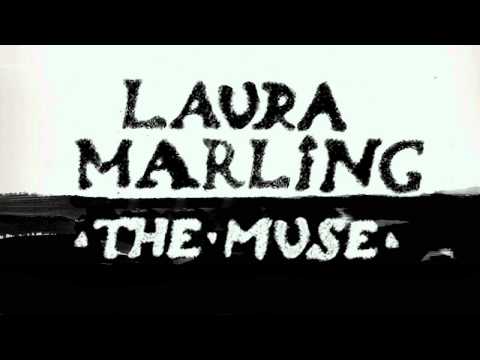
The Muse

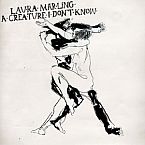
Album: A Creature I Don't Know (2011)
Play Video

Songfacts®:

  • This twisted love story is the opening track of English folk rock singer-songwriter Laura Marling's third album A Creature I Don't Know. The song is the first instance of the "beast" motif that recurs throughout the disc.
  • Marling told NME the record was partly inspired by the 1969 album UFO by Jim Sullivan. "He made this album, then wandered off into the Mexican desert and was never seen again."
  • The song's jazzy sonics are a surprise to those who think of Marling as a folk artist. Laura told NME: "It's something that I think I shied from in the same way that I shy away from the term 'singer-songwriter.' 'Singer-songwriter' and 'jazz' just conjure up such dreary images. But when I was played Joni Mitchell as a kid, the first thing I heard was Court and Spark and then my dad slowly introduced me to stuff further and further along the line. But the association for me was always 'jazz phenomenal musicians.' The best drummers and bass players are all jazzbos."
  • Laura told NME: "'The Muse' was supposed to be a joke. It was supposed to be cheeky and a bit silly. There's something more playful in it, but I think that's partly to do with how we recorded it as well, it was so laid back, just sat in a room, and luckily Ethan (Johns, producer) had the reel rolling. I'm probably a bit more comfortable in that environment now. I didn't feel like I had to break any barriers or set any unreasonable goals. It couldn't have been anything else, really."
  • A Creature I Don't Know is Marling's third six-syllable album title following Alas, I Cannot Swim and I Speak Because I Can.
  • This song finds Marling casting herself as a predator looking for song-writing material in a relationship where most people might seek companionship. She told Mojo magazine the song is primarily a joke, albeit one rooted in experience. "It's tempting to make life fit your criteria as an artist," she admitted, "but it never works. That's how I ended up writing a song like that."
  • This was the last song written for the album. "I found myself pursuing inspiration," Marling explained in The Art of Noise: Conversations with Great Songwriters by Daniel Rachel. "I wanted very, very pure beauty. That pursuit of beauty and inspiration: you touch one inch of it and it falls apart, which is what aesthetic beauty is: skin, paper. The song was meant to be funny, light-hearted. I don't know if we quite pulled it off as that."

Comments

Be the first to comment...

Editor's Picks

Philip Cody

Philip CodySongwriter Interviews

A talented lyricist, Philip helped revive Neil Sedaka's career with the words to "Laughter In The Rain" and "Bad Blood."

Michael Franti

Michael FrantiSongwriter Interviews

Franti tells the story behind his hit "Say Hey (I Love You)" and explains why yoga is an integral part of his lifestyle and his Soulshine tour.

Graham Parker

Graham ParkerSongwriter Interviews

When Judd Apatow needed under-appreciated rockers for his Knocked Up sequel, he immediately thought of Parker, who just happened to be getting his band The Rumour back together.

Dennis DeYoung

Dennis DeYoungSongwriter Interviews

Dennis DeYoung explains why "Mr. Roboto" is the defining Styx song, and what the "gathering of angels" represents in "Come Sail Away."

Chris Frantz of Talking Heads

Chris Frantz of Talking HeadsSongwriter Interviews

Talking Heads drummer Chris Frantz on where the term "new wave" originated, the story of "Naive Melody," and why they never recorded another cover song after "Take Me To The River."

Dar Williams

Dar WilliamsSongwriter Interviews

A popular contemporary folk singer, Williams still remembers the sticky note that changed her life in college.