Poverty Train

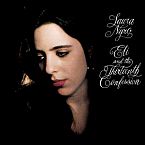
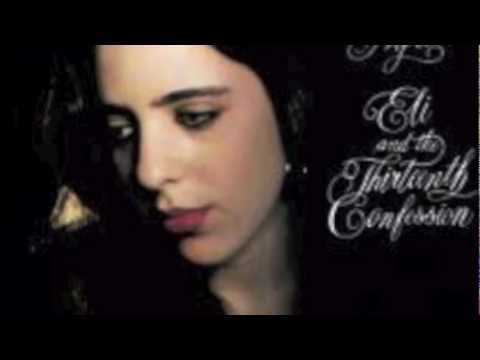
Album: Eli and the Thirteenth Confession (1968)
Play Video

Songfacts®:

  • On this haunting track from her sophomore album, Laura Nyro sings from the perspective of an addict in the midst of a terrifying drug trip, where "You can see the walls roar, see your brains on the floor" as the Devil watches with a grin. While she mentions cocaine in the song, it was really about heroin (the song's arranger, Charlie Calello, says in the biography Soul Picnic: The Music and Passion of Laura Nyro by Michele Kort). A year after Eli and the Thirteenth Confession was released, the singer's 21-year-old cousin died of an accidental heroin overdose.
  • Nyro was a frequent pot smoker but typically stayed away from harder drugs, except for a bout with LSD that conjured horrific hallucinations like the ones described in the song. The New York Times noted in the 1968 article "Laura Nyro: She's the Hippest - and Maybe the Hottest?":

    Laura has since stopped using acid because of the medical evidence that it is genetically dangerous, but it seemed useful to her at the time. She refers to the event as "the day I became a woman." During the experience, monsters - half men, half rats - filed into her room and menaced her from the walls. She summoned the strength to resist them, and after nine hours of spiritual combat they withdrew... "I won the struggle for myself," she says. "I stopped being a loser and became a winner instead."
  • This features jazz musician Joe Farrell on the flute. "He kind of turned it into Alice in Wonderland, almost," Nyro told Down Beat magazine in 1969. "He came into my world, and he really enhanced it."
  • This was one of the songs (along with "Wedding Bell Blues" and "Eli's Coming") Nyro performed at her notorious appearance at the Monterey Pop Festival in 1967, a counterculture milestone that marked major debuts from Janis Joplin and Otis Redding. She felt out of her element belting soul songs in a long black dress adorned with an angel wing for a hippie crowd who was there to see Jimi Hendrix and the like. As the legend goes, the crowd hurled boos at Nyro and she fled the stage in tears, afterwards demanding documentarian D.A. Pennebaker remove her performance from the accompanying film. He complied, but when footage of her songs emerged on the 2002 DVD release, it was clear Nyro was catastrophizing the incident.

    While the concertgoers weren't fully invested in her showing, the "boos" Nyro heard were actually exclamations of "beautiful!" Bones Howe, who turned a handful of Nyro's tunes into hits for The 5th Dimension, weighed in: "Let's just say she was miscast at Monterey. It was only in the context of everything else that happened there. It was really smoke-dope folk music and heavy rock music – people setting fire to their guitars – and she wasn't folk and she wasn't heavy rock."
  • Folk rocker Patty Larkin recorded this for the 1997 tribute album Time and Love - The Music of Laura Nyro.
  • This was used on the HBO series Six Feet Under in the 2002 episode "The Liar and the Whore."

Comments

Be the first to comment...

Editor's Picks

Five Rockers Who Rolled With The Devil

Five Rockers Who Rolled With The DevilSong Writing

Just how much did these monsters of rock dabble in the occult?
Dave Edmunds

Dave EdmundsSongwriter Interviews

A renowned guitarist and rock revivalist, Dave took "I Hear You Knocking" to the top of the UK charts and was the first to record Elvis Costello's "Girls Talk."
History Of Rock

History Of RockSong Writing

An interview with Dr. John Covach, music professor at the University of Rochester whose free online courses have become wildly popular.
David Bowie Lyrics Quiz

David Bowie Lyrics QuizMusic Quiz

How well do you know your David Bowie lyrics? Take this quiz to find out.
Ed Roland of Collective Soul

Ed Roland of Collective SoulSongwriter Interviews

The stories behind "Shine," "December," "The World I Know" and other Collective Soul hits.
Adam Duritz of Counting Crows

Adam Duritz of Counting CrowsSongwriter Interviews

"Mr. Jones" took on new meaning when the song about a misguided view of fame made Adam famous.