Open Letter (To a Landlord)

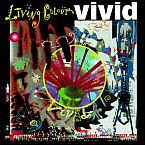
Album: Vivid (1988)
Charted: 82
Play Video

Songfacts®:

  • Living Colour guitarist Vernon Reid wrote this song with the poet Tracie Morris, who helped him compose the lyric. The song takes on the gentrification of New York City's East Village, as old building were being demolished and longtime residents forced out. Morris told us in 2015:

    "At the time we were talking about tenements and other buildings being torn down for buildings that would be inhabited by 'Yuppies.' I remember a great deal of alarm in the BRC (Black Rock Coalition) when The Gap first opened up a store on St. Marks' Place. We saw the downtown/boho lifestyle changing before our eyes. The song focused on the displacement of residencies of course, but I think we were considering how entire neighborhoods were beginning to shift.

    The idea of landlords and slumlords getting tenants out to reap financial rewards isn't new, especially in New York. We certainly felt at the time that much of the motivation behind the riots was to gentrify the East Village.

    Now of course we hear about gentrification at a more extreme level taking place all over NYC, not just in Manhattan but all over Brooklyn and all the boroughs. In some ways, 'Open Letter' was a precursor to the wholesale expunging of the regular people that have made New York City great since the beginning."
  • Vernon Reid co-founded the Black Rock Coalition in 1985, an organization dedicated to "creating an atmosphere conducive to the maximum development, exposure and acceptance of Black alternative music." Tracie Morris was a part of the organization. She explained: "Vernon contacted me to help him work on the song. (I met Vernon through the Black Rock Coalition - he actually gave me directions to the first party they had at JAM Gallery in Soho around 1986 - and I became one of their founding members.) Vernon was a bit stuck at a certain point in writing the lyrics to the song. I was very politically active during that time. So between being a poet and an activist, I guess he figured I could help out with song lyrics on a political topic. I wrote a couple of stanzas for him, he selected what he wanted and that was it. Pretty straightforward.

    It was quite lovely to hear Corey sing my words. I remember that moment like it was yesterday. It was also a bit... unnerving to hear my own writing in someone else's voice, especially at the time because I was terrified of just reading my own writing in public. (Obviously I've "worked through" that issue...) It was fun hanging out with those guys back in the day. It was very nice to be involved with the project, even in a small way."
  • This was the second Living Colour single released in America, following "Cult of Personality." The song runs 5:32, which is very long for a single, but it was not edited down. Released in June 1989, the song peaked at #82 on July 22, five weeks before the group embarked on the Steel Wheels tour as the Rolling Stones opening act.
  • Backing vocals on this track were by the New York City singers the Fowler Family, which is comprised of Bernard, Fred and Muriel Fowler.
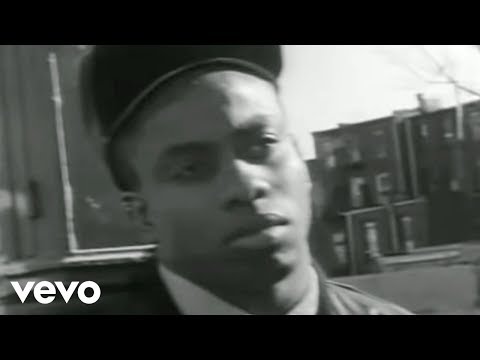
  • The video was directed by Drew Carolan, an acclaimed photographer who also directed Living Colour's "Cult of Personality" clip. He told us about making the video:

    "The live footage was shot at Toad's Place in New Haven before a live audience. The band was getting ready to go out with the Rolling Stones on the Steel Wheels tour. We invited 500 people in early for some playback coverage and then the rest of the crowd for an actual show.

    The cutaway material was shot in New York, DC and LA. In '89 the housing situation was bad in most urban cities. People were being forced out of places they had lived in for generations. Living Colour knew that. They hailed from Brooklyn, The Bronx and Staten Island. They saw it everywhere they played. I was from the Lower East side. I saw the writing on the wall. Gentrification was sweeping up the cities and taking the working class with it. We see the band walking through decimated neighborhoods where they used to play. A street called Hope. A little girl on a swing disappears. Empty. Gone. Peaceful protests and shouts melt into the droning sound of the mass transit system.

    I just watched it and it rings true today as well. Sad but true."

Comments: 1

  • Basilio from New York CitySongfacts:you guys are just absolutely amazing!...i just adore this page and i enjoy reading through it whenever i get a chance.:)
see more comments

Editor's Picks

Gary Brooker of Procol Harum

Gary Brooker of Procol HarumSongwriter Interviews

The lead singer and pianist for Procol Harum, Gary talks about finding the musical ideas to match the words.

Andy McClusky of OMD

Andy McClusky of OMDSongwriter Interviews

Known in America for the hit "If You Leave," OMD is a huge influence on modern electronic music.

Waiting For The Break of Day: Three Classic Songs About All-Nighters

Waiting For The Break of Day: Three Classic Songs About All-NightersSong Writing

These Three famous songs actually describe how they were written - late into the evening.

Donald Fagen

Donald FagenSongwriter Interviews

Fagen talks about how the Steely Dan songwriting strategy has changed over the years, and explains why you don't hear many covers of their songs.

Graham Nash

Graham NashSongwriter Interviews

Graham Nash tells the stories behind some of his famous songs and photos, and is asked about "yacht rock" for the first time.

Michael Sweet of Stryper

Michael Sweet of StryperSongwriter Interviews

Find out how God and glam metal go together from the Stryper frontman.