I Can't Live Without My Radio

Album: Radio (1985)
Play Video

Songfacts®:

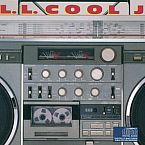
  • LL Cool J was a brash 17-year-old from Queens when he released "I Can't Live Without My Radio," a song about his beloved JVC boom box that he blasts throughout the neighborhood.

    Signed to Def Jam Records, LL was on the vanguard of rap, setting the tone for the style and flow that would define hip-hop. On this track, he comes out swinging with rapid-fire rhymes about his skills. He backed up his boasts, becoming not just one of the top rappers in the game but also a leading entertainer as he moved into acting.
  • LL released his first single, "I Need a Beat," in November 1984. His debut album, Radio, showed up about a year later, with "I Can't Live Without My Radio" as the lead single. Radio, which was the first album issued on Def Jam, took off, becoming the first rap album by a solo act to go Gold; it eventually went Platinum.
  • This song came out during the golden age of the boombox, a big portable radio with a cassette player that could pump out big sound. Unlike the Walkman, these were designed to let everyone in a city block listen along. You could carry one around on your shoulder, or put it on the court while playing some pickup basketball. They were especially popular in cities, and their rise coincided with hip-hop, which also emerged in the mid-70s and came of age about a decade later.

    LL, and this song in particular, played a big part in the boombox story. In the 2001 book The Boombox Project: The Machines, the Music, and the Urban Underground, he provides commentary and shows up in a photo from 1985 with his doberman-sized blaster in a New York City park.
  • What was on LL Cool J's radio? The radio station WBLS (especially when Rap Attack was on), and also the New York University station WNYU. He would also play cassettes of Treacherous Three, Grandmaster Flash, Sugarhill Gang and other rap acts that informed his musical upbringing. As he points out in they lyric, he would keep fresh batteries handy - playing cassettes ate through them.
  • Def Jam founder Rick Rubin produced this track and co-wrote it. Rubin and his team (including engineer Steve Ett) made the beats using an Oberheim DMX drum machine, refining a sound that Run-DMC had developed. LL used a different producer for his next album, Bigger And Deffer; Rubin went on to break down more hip-hop barriers working with Beastie Boys and Public Enemy before taking on clients like Johnny Cash, Adele, and Linkin Park.
  • This song put LL Cool J in league with Run-DMC, which was the dominant hip-hop act at the time. They were mutual fans; Run of Run-DMC called LL "the best rapper ever." In 1986, they teamed up, along with Whodini, for the Raising Hell tour.
  • LL is proudly creating a nuisance in this song, but there's no mention of drugs, guns, or any other illegal activity, and his threats are clearly metaphorical. It's also free of any curse words, making it the kind of old-school classic from the days when a rapper could blast out a clever song about his radio. LL was a paragon of clean living and physical fitness, attributes that served him well.
  • This contains a sample of "Rocket In my Pocket," a 1978 track by the electro artist Cerrone. That song is also sampled on the Radio track "Rock The Bells."

Comments

Be the first to comment...

Editor's Picks

Dave Alvin - "4th Of July"

Dave Alvin - "4th Of July"They're Playing My Song

When Dave recorded the first version of the song with his group the Blasters, producer Nick Lowe gave him some life-changing advice.

Second Wind Songs

Second Wind SongsSong Writing

Some songs get a second life when they find a new audience through a movie, commercial, TV show, or even the Internet.

Jack Blades of Night Ranger and Damn Yankees

Jack Blades of Night Ranger and Damn YankeesSongwriter Interviews

Revisit the awesome glory of Night Ranger and Damn Yankees: cheesily-acted videos, catchy guitar licks, long hair, and lyrics that are just plain relatable.

Waiting For The Break of Day: Three Classic Songs About All-Nighters

Waiting For The Break of Day: Three Classic Songs About All-NightersSong Writing

These Three famous songs actually describe how they were written - late into the evening.

Jimmy Jam

Jimmy JamSongwriter Interviews

The powerhouse producer behind Janet Jackson's hits talks about his Boyz II Men ballads and regrouping The Time.

Donnie Iris (Ah! Leah!, The Rapper)

Donnie Iris (Ah! Leah!, The Rapper)Songwriter Interviews

Before "Rap" was a form of music, it was something guys did to pick up girls in nightclubs. Donnie talks about "The Rapper" and reveals the identity of Leah.