Audrey Hepburn

Album: Florescence (2025)
Play Video

Songfacts®:

  • Take me back to your parents, I was barefaced in the light
    You swore I looked like Audrey Hepburn that night


    Audrey Hepburn was a British actress and humanitarian whose image has come to symbolize timeless grace, elegance, and understated beauty, especially through films like Breakfast at Tiffany's and Roman Holiday. When Maisie Peters invokes Hepburn, she's tapping into that lineage of cinematic femininity where beauty isn't loud and confidence doesn't need accessories.
  • "Audrey Hepburn" captures a moment of being seen plainly ("barefaced in the light") and still being valued by a romantic partner. Peters wrote on Instagram that the song reflects how love gave her "an inner peace, calm, strength and confidence, a safe place and an escape from the mania" of her life.

    She left the identity of that love deliberately unspecified. There's no verified public source confirming who the song is about, only that it draws from a current, intentionally private relationship.
  • Peters co-wrote and co-produced "Audrey Hepburn" with longtime collaborator Joe Rubel, with additional production from Ian Fitchuk (Kacey Musgraves, Leon Bridges). The arrangement is sparse and acoustic, marking a noticeable pivot away from the glossy dance-pop of her 2023 album The Good Witch and back toward the folk-pop intimacy that first defined her career. Released on October 9, 2025, as a dual lead single alongside "You You You," the track signaled the start of Peters' third studio album era.
  • There's a long pop tradition of borrowing Hollywood women as emotional reference points. Audrey Hepburn has inspired everything from The Courteeners' "Last Of The Ladies" to indirect tributes via "Moon River." Other actresses have been immortalized in songs like Mika's "Grace Kelly" or the countless musical love letters to Marilyn Monroe by the likes of Elton John, Nicki Minaj, Lady Gaga, Bat For Lashes, Def Leppard and Pharrell. In most cases, the actress becomes a symbol rather than a subject; an idea more than a person. Peters follows that tradition, but with a twist: instead of chasing glamour, she strips it away, finding Hepburn not in couture and cigarettes, but in quiet domestic moments and parental kitchens.
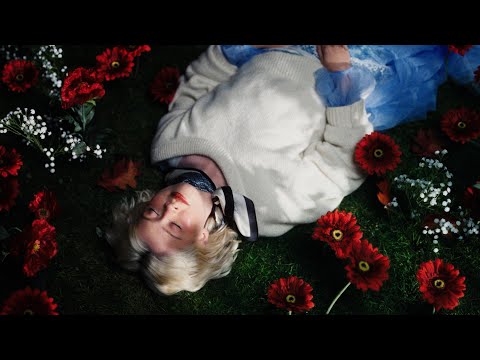
  • In the music video, directed by James Ogram, Peters moves through a studio space bathed in artificial pink light before following a mysterious glow into the English countryside at night. It's a gentle metaphor for leaving artifice behind and finding something real; less Hollywood soundstage, more walk home after midnight.

Comments

Be the first to comment...

Editor's Picks

AC/DC

AC/DCFact or Fiction

Does Angus really drink himself silly? Did their name come from a sewing machine? See if you can spot the real stories about AC/DC.

Rickie Lee Jones

Rickie Lee JonesSongwriter Interviews

Rickie Lee Jones on songwriting, social media, and how she's handling Trump.
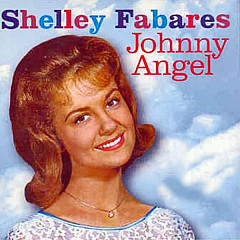
Who's Johnny, And Why Does He Show Up In So Many Songs

Who's Johnny, And Why Does He Show Up In So Many SongsSong Writing

For songwriters, Johnny represents the American man. He has been angry, cool, magic, a rebel and, of course, marching home.
Grunge Bands Quiz

Grunge Bands QuizMusic Quiz

If the name Citizen Dick means anything to you, there's a chance you'll get some of these right.
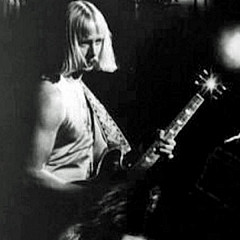
Kerry Livgren of Kansas

Kerry Livgren of KansasSongwriter Interviews

In this talk from the '80s, the Kansas frontman talks turning to God and writing "Dust In The Wind."
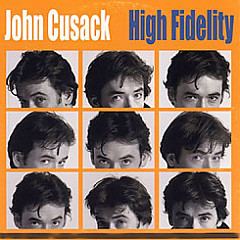
Songs Discussed in Movies

Songs Discussed in MoviesSong Writing

Bridesmaids, Reservoir Dogs, Willy Wonka - just a few of the flicks where characters discuss specific songs, sometimes as a prelude to murder.