Fire Is Ours

Album: not on an album (2016)
Play Video

Songfacts®:

  • Makana, a Hawaiian musician, wrote this song in support of Bernie Sanders, a United States senator from Vermont who was running for President. In the chorus, he appropriates "feel the Bern," a slogan many supporters attached to Sanders:

    And I feel the burn
    For someone who can't be bought


    "It was a fine line to riff something that was being recycled a lot and make if fresh," he said in a 2016 Songfacts interview. "I was swimming one day last year and the melody came up for the chorus, 'And I feel the burn,' and I was like, 'Oh, that's cool.' I wrote it on piano and went into my workspace and started just playing with the idea of what I would want in a public servant. The characteristics and the values I would want, and those were the choruses. And then integrity and all of these attributes that are important that we can see in Bernie Sanders."

    Sanders lost the Democratic primary to Hillary Clinton, who in turn lost the general election to Donald Trump.
  • The song embraces many of Bernie Sanders' key positions, including the overarching influence of corporations on the political system. "With the verses, it was expressing the emotional disenfranchisement, especially of the Left," Makana told Songfacts. "And of everyone who got so excited about Obama and his generic platform of hope and change that didn't really result in any of that because of the corporatist-centrist democratic leanings – the bankers that funded him and Wall Street. So I was trying to express the frustration of the voter in the verses. The voter feeling disenfranchised and then in the pre-choruses, try to ramp up the energy and say, 'I'm not going to take this anymore.' And then go into the choruses where it becomes more positive and it articulates and envisions the kind of leader that we would like to see."
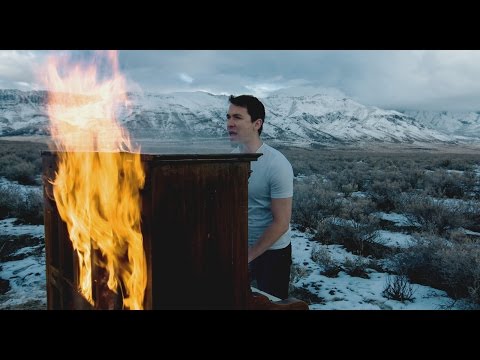
  • The music video, directed by Zac Heileson, takes a stab at American political institutions many feel are no longer trustworthy. We see Makana filling in a ballot with the names of corporations, for instance.

    The video, and the song, also critique the media, which gives coverage to the sensational or inane for the sake of ratings, marginalizing important issues in the process. "I'm not the kind of person that only blames the people at the top," Makana said. "I feel like the masses have a lot of power to make choices, but when the masses are influenced by mainstream media and mainstream media works to make them believe that they don't have options or they're disempowered or weak or they're just consumers, then we get the status quo, which is destruction of the earth and disillusionment of the middle class and all these things that adversely affect people and the planet.

    So the song addresses that warped process of media and then it says, 'I really want to have someone represent me in this republic that represents me and not just money.'"

Comments

Be the first to comment...

Editor's Picks

Janis Ian

Janis IanSongwriter Interviews

One of the first successful female singer-songwriters, Janis had her first hit in 1967 at age 15.

Lace the Music: How LSD Changed Popular Music

Lace the Music: How LSD Changed Popular MusicSong Writing

Starting in Virginia City, Nevada and rippling out to the Haight-Ashbury, LSD reshaped popular music.

Jimmy Jam

Jimmy JamSongwriter Interviews

The powerhouse producer behind Janet Jackson's hits talks about his Boyz II Men ballads and regrouping The Time.

Dar Williams

Dar WilliamsSongwriter Interviews

A popular contemporary folk singer, Williams still remembers the sticky note that changed her life in college.

Commercials

CommercialsFact or Fiction

Was "Ring Of Fire" really used to sell hemorrhoid cream?

Reverend Horton Heat

Reverend Horton HeatSongwriter Interviews

The Reverend rants on psychobilly and the egghead academics he bashes in one of his more popular songs.