Motorcycle Emptiness

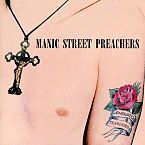
Album: Generation Terrorists (1992)
Charted: 17
Play Video

Songfacts®:

  • This slice of bitter angst originated when producer Steve Brown spliced together two early Manic songs "Go Buzz Baby Go"(with which it shares the chord structure and the phrase "Motorcycle Emptiness") and "Behave Yourself Baby." James Dean Bradfield then transformed the hybrid with a guitar figure that came to him in a dream.
  • Nicky Wire and Richey Edwards' lyrics were inspired by S.E. Hinton's novel about biker gangs, Rumble Fish. They attack the false idols of teen pop culture and the hollowness of the Western consumer lifestyle. "A six minute song about alienation and despair," was how Wire described the song's message to BBC Wales.

    Some of the words were taken from the poem Neon Lonliness by Wire's poet brother, Patrick Jones.
  • An electronic version of the main melody was used by T-Mobile for an advertising campaign in 2003, much to the chagrin of many Manic fans who felt its use conflicted with the song's anti-consumerism message.
  • The song's video was filmed in Tokyo. Micky Wire recalled to Mojo December 2012: "The scene where we're driving the car - we're actually being towed! Richey was the only one who could drive, but they wouldn't let him. So he's pretending - it's like a Rod Steiger movie from the '50s."
  • Nicky Wire recalled in Q magazine November 2013: "It's one of the first songs me and Richey wrote together – it had so many different gestations. We were obsessed with writing a cross between Rumble Fish and a Jesus and Mary Chain biker song. We worked quite scratchily trying to piece everything together. It's hard to explain to anyone how good those times were. Some songs just flow but that one shows sometimes you really have to dig in to get something everlasting."
  • This is the Manic's track Nicky Wire would hang his legacy on. "It's probably the four of us at our peaks, four people coming together to create that landscape of existential despair," he explained to Mojo magazine. "Because the production is almost cosmetic, it's actually pretty timeless, it doesn't sound like the 90s. There's just something about it. For such a complicated lyric, wherever you go, people sing along. That's a pretty amazing trick."

Comments

Be the first to comment...

Editor's Picks

Does Jimmy Page Worship The Devil? A Look at Satanism in Rock

Does Jimmy Page Worship The Devil? A Look at Satanism in RockSong Writing

We ring the Hell's Bells to see what songs and rockers are sincere in their Satanism, and how much of it is an act.

Bryan Adams

Bryan AdamsSongwriter Interviews

What's the deal with "Summer of '69"? Bryan explains what the song is really about, and shares more of his songwriting insights.

Rush: Album by Album - A Conversation With Martin Popoff

Rush: Album by Album - A Conversation With Martin PopoffSong Writing

A talk with Martin Popoff about his latest book on Rush and how he assessed the thousands of albums he reviewed.

Spooner Oldham

Spooner OldhamSongwriter Interviews

His keyboard work helped define the Muscle Shoals sound and make him an integral part of many Neil Young recordings. Spooner is also an accomplished songwriter, whose hits include "I'm Your Puppet" and "Cry Like A Baby."

Gary Brooker of Procol Harum

Gary Brooker of Procol HarumSongwriter Interviews

The lead singer and pianist for Procol Harum, Gary talks about finding the musical ideas to match the words.

Who's Johnny, And Why Does He Show Up In So Many Songs

Who's Johnny, And Why Does He Show Up In So Many SongsSong Writing

For songwriters, Johnny represents the American man. He has been angry, cool, magic, a rebel and, of course, marching home.