Anytime You Need A Friend

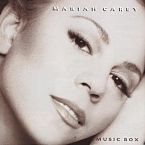
Album: Music Box (1993)
Charted: 8 12
Play Video

Songfacts®:

  • Mariah Carey tapped into her faith in God for this gospel-flavored single from her third studio album. By the time she released Music Box, Carey was a pop superstar but she felt like a prisoner. In July 1993, she married her boyfriend Tommy Mottola, the president of Sony Music, who controlled nearly every aspect of the singer's personal and professional life. She recalled in her 2020 memoir, The Meaning Of Mariah Carey, that "Anytime You Need A Friend" was borne out of the desperation she felt during the relationship, which ended in divorce in 1997. "Among all of my songs that one was especially significant, because I was desperately alone, removed from friends and full of fear," she said. "My belief in God kept me alive - I wrote that song thinking about what I thought God would say to us in times of fear."
  • Mariah wrote the song with her "Hero" cowriter, Walter Afanasieff. The pair had toyed around with a gospel sound on earlier tracks like "And You Don't Remember" (from Emotions) and "I Don't Wanna Cry" (from Mariah Carey) and wanted something similar for Music Box. He recalled in a 2011 interview with Soul Culture: "The substance of 'I Don't Wanna Cry' and the gospel quality of 'And You Don’t Remember' led this sort of melodic, melancholy theme that we wanted to bust out into some big harmony gospel singing type of chorus. This is how we came up with 'Anytime You Need a Friend.'"
  • Even though it sounds like a huge choir is backing Mariah, most of the supporting vocals were sung by gospel singers Kelly Price, Shanrae Price, and Melonie Daniels. Said Mariah: "It was a great experience to work with them and to do these gospel arrangements. because they're really from the church and they're really really authentic."
  • When Mariah first met her boyfriend Derek Jeter, the New York Yankees shortstop told her this was his favorite song and he listened to it before every game. Their romance inspired the track "The Roof" from Mariah's 1997 album, Butterfly.
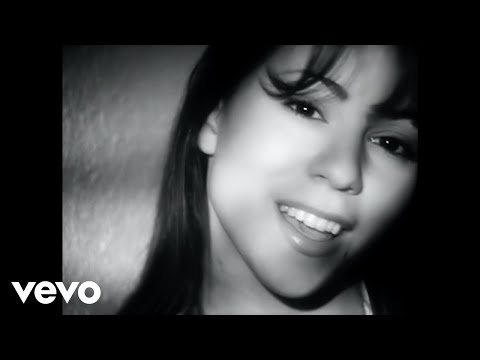
  • In the black-and-white music video, directed by Danielle Federici, Mariah performs the song in the foyer of a building backed by a choir standing on a nearby staircase. Meanwhile, on the streets of New York City, we meet lonely people in need of a friend, including a little girl left out of a game of hopscotch and an elderly man sitting by himself on a stoop. The clip also introduces a new look for the singer, who ditches her signature curls for a sleek, straightened hairstyle.
  • Carey's impressive vocal range is on display in the tune, from hitting her higher than high whistle register to dipping into her lower register, which she hadn't accessed as much on her earlier songs. "It's not that I'm experimenting with lower notes. I actually think my natural voice is low. My speaking voice is low, you know what I mean? And I'm really comfortable singing in my lower register," she told US Magazine in 1993. "I sing from the heart. Whatever the music makes me feel at the time, I go into the studio to sing a song, that's what it's going to do. Some people like it, some people don't. But it's just a part of my voice and that's it."
  • Music Box remains Mariah Carey's best-selling album, with 10 million copies sold in the US and more than 28 million sold worldwide.

Comments

Be the first to comment...

Editor's Picks

Female Singers Of The 90s

Female Singers Of The 90sMusic Quiz

The ladies who ruled the '90s in this quiz.

Rick Springfield

Rick SpringfieldSongwriter Interviews

Rick has a surprising dark side, a strong feminine side and, in a certain TV show, a naked backside. But he still hasn't found Jessie's Girl.

Jack Blades of Night Ranger and Damn Yankees

Jack Blades of Night Ranger and Damn YankeesSongwriter Interviews

Revisit the awesome glory of Night Ranger and Damn Yankees: cheesily-acted videos, catchy guitar licks, long hair, and lyrics that are just plain relatable.

Boz Scaggs

Boz ScaggsSongwriter Interviews

The "Lowdown" and "Lido Shuffle" singer makes a habit of playing with the best in the business.

Randy Newman

Randy NewmanSongwriting Legends

Newman makes it look easy these days, but in this 1974 interview, he reveals the paranoia and pressures that made him yearn for his old 9-5 job.

Sugarland

SugarlandSongwriter Interviews

Meet the "sassy basket" with the biggest voice in country music.