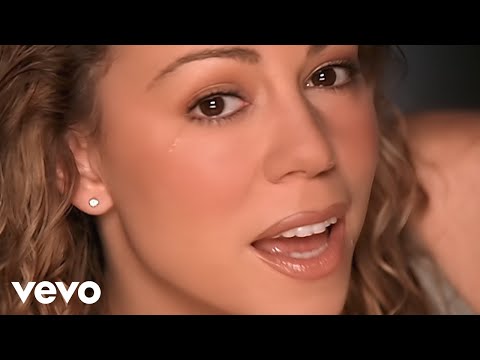
Can't Take That Away (Mariah's Theme)

Album: Rainbow (1999)
Play Video

Songfacts®:

  • Written in the wake of the Columbine High School massacre, Mariah Carey intended this inspirational ballad as a message of encouragement to kids struggling through adolescence. Carey suffered through her own troubles in school, where she was discriminated against for being biracial. During the making of Rainbow, she was also battling her record label for control of her career after her divorce from Sony Music president Tommy Mottola. "When I wrote this song, I had my days in junior high and high school in mind and also had my own struggle, where I am still going through right now," she explained in her 1999 Homecoming Special. "Okay, but if you have peace with in yourself, nobody can touch you, no matter what happens."
  • Carey wrote this with Diane Warren, the acclaimed songwriter behind big ballads like Celine Dion's "Because You Loved Me" and Aerosmith's " I Don't Want To Miss A Thing." Before Rainbow, Carey wrote all her ballads with her former songwriting partner Walter Afanasieff, but their relationship became a casualty of her divorce from Mottola due to Afanasieff's continued association with the music mogul. Carey reached out to new collaborators who were more in tune with her developing urban-influenced sound, such as R&B hitmakers Jimmy Jam and Terry Lewis, who produced this track. But she stuck with a pop master for her co-writer.

    Carey described her relationship with Warren in a Yahoo! Music interview: "We have our own different styles. Sometimes what she does is the opposite of what I do and I'll say, 'No, Diane, I hate that,' or 'No, Diane, we just said that word two lines ago. We can't say it again.' She gets really obsessive over stuff at times, but we get on with each other, so I can be very open with her like that. She very cool, funny, and unique."
  • Carey felt a strong connection to the song and was frustrated by Sony's weak efforts to promote the single. She took matters into her own hands by rallying her fans to call in requests for the song to radio stations and MTV's popular video countdown TRL. The strategy didn't get the single on the chart, but it did help the video debut at #5 on the show.
  • For the music video, directed by Sanaa Hamri, Carey commissioned her fans to send her video testimonies about their hardships, such as bullying and racial discrimination, and how the song inspired them to persevere, and she incorporated them in the video. Throughout the clip, a TV also displays images of others who have overcome struggles, such as Lance Armstrong beating cancer and winning the Tour De France.
  • Mariah also defied critics of her "vocal gymnastics" by putting her range back on display for this tune. She explained to Craig Seymour in 1999: "I was told to restrain myself a lot, like back in the day, not on every song, but I think people preferred me to 'sing this straight, and do this like this' and, 'don't do the high notes because critics are ragging on you for doing too many of the high notes,' and I know that. But I also know that was a different time - that was six years ago, or seven years, and it’s like, that’s a part of my voice that I'm very proud of."
  • This was released as a double A-side single with "Crybaby."

Comments

Be the first to comment...

Editor's Picks

Female Singers Of The 90s

Female Singers Of The 90sMusic Quiz

The ladies who ruled the '90s in this quiz.

Rick Springfield

Rick SpringfieldSongwriter Interviews

Rick has a surprising dark side, a strong feminine side and, in a certain TV show, a naked backside. But he still hasn't found Jessie's Girl.

Jack Blades of Night Ranger and Damn Yankees

Jack Blades of Night Ranger and Damn YankeesSongwriter Interviews

Revisit the awesome glory of Night Ranger and Damn Yankees: cheesily-acted videos, catchy guitar licks, long hair, and lyrics that are just plain relatable.

Boz Scaggs

Boz ScaggsSongwriter Interviews

The "Lowdown" and "Lido Shuffle" singer makes a habit of playing with the best in the business.

Randy Newman

Randy NewmanSongwriting Legends

Newman makes it look easy these days, but in this 1974 interview, he reveals the paranoia and pressures that made him yearn for his old 9-5 job.

Sugarland

SugarlandSongwriter Interviews

Meet the "sassy basket" with the biggest voice in country music.