

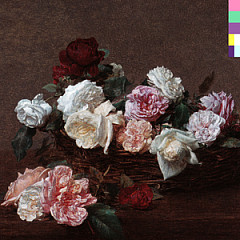
New Order got the title for "Blue Monday" from an illustration that read "Goodbye Blue Monday" in the Kurt Vonnegut book Breakfast Of Champions. The image refers to the invention of the washing machine improving housewives' lives.
Jay-Z was going to ask Mary J. Blige to duet on "Empire State of Mind," but he decided on Alicia Keys when he heard the piano stabs on the track.
"Sing" was inspired by a girl that Ed Sheeran met in Las Vegas in the summer of 2013, when "one thing led to another and now she's kissing my mouth."
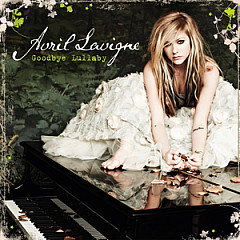
Avril Lavigne has a perfume named after her song "Black Star." It smells much better than her Sk8er Boi scent, which reeks of Axe body spray and road grime.
The first rap song to make the Hot 100 was "Rapper's Delight" by The Sugarhill Gang in 1979. At the time, many considered rap a fad that would soon pass.
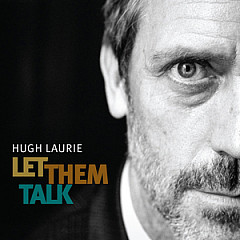
Hugh Laurie, star of the TV show House, had a minor hit in 2011 with "Police Dog Blues," an old Blues song from 1929.

The Yardbirds drummer explains how they created their sound and talks about working with their famous guitarists.
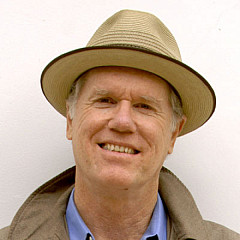
"Dead Skunk" became a stinker for Loudon when he felt pressure to make another hit - his latest songs deal with mortality, his son Rufus, and picking up poop.

As Procol Harum's lyricist, Keith wrote the words to "A Whiter Shade Of Pale." We delve into that song and find out how you can form a band when you don't sing or play an instrument.
Lots of life lessons in these Eagles lyrics - can you match them to the correct song?

Chad tells tales from his time as drummer for Nirvana, and talks about his group Before Cars.
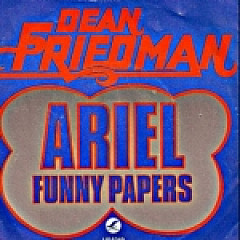
Dean's saga began with "Ariel," a song about falling in love with a Jewish girl from New Jersey.