Album: Lulu (2011)
Play Video

Songfacts®:

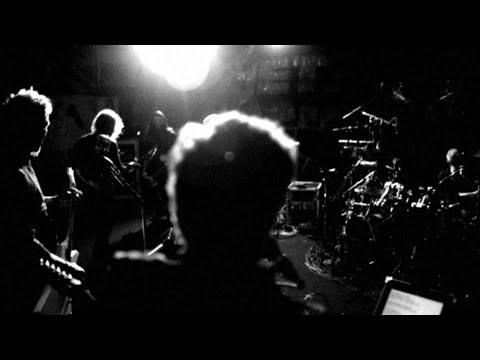
  • "The View" was the first song released from Lulu, a joint album between Metallica and Lou Reed. The result is a work that gets both artists way out of their comfort zones, with Metallica venturing into Reed's avant-garde lyrical territory and Reed singing over Metallica's savage rhythms. Fans of both artists were perplexed, especially when Metallica frontman James Hetfield belted out this passage:

    I am the root
    I am the progress
    I am the aggressor
    I am the tablet


    The lyric to this song and Lulu as a whole were inspired by the German expressionist writer Frank Wededkind's risqué plays Earth Spirit and Pandora's Box, which tell the story of a young, abused dancer.
  • The album originated with Reed working on the lyrics on his own and creating a musical landscape for Lulu, a theatrical production of the two plays in Berlin. After joining up with Metallica to play for the Rock and Roll Hall of Fame 25th Anniversary Concert in New York in 2009, they decided to work on the songs together. At Metallica's studios in Northern California, they recorded 10 tracks for the album based on Reed's Lulu demos, including "The View."
  • Lulu was largely slated by both critics and fans at the time of its release, but the record did have some proponents. Reed's widow, Laurie Anderson [Reed died in 2013], said during the late singer's induction into the Rock And Roll Hall Of Fame on April 18, 2015. "One of [Lou's] last projects was his album with Metallica, and this was really challenging, and I have a hard time with it. There are many struggles and so much radiance. And after Lou's death, David Bowie made a big point of saying to me, 'Listen, this is Lou's greatest work. This is his masterpiece. Just wait, it will be like 'Berlin.' It will take everyone a while to catch up.'"

    Anderson added: "I've been reading the lyrics and it is so fierce. It's written by a man who understood fear and rage and venom and terror and revenge and love. And it is raging."
  • Metallica scholar Steffan Chirazi, who edits their magazine So What!, wants you to appreciate the riff on this one.

    "I think the riff that's been lost to all time is 'The View,'" he told Songfacts. "Whether you like Lou Reed singing with Metallica or not, that's a very personal choice, but that riff is absolutely huge, and it's such a lost riff because a lot of people won't listen to it."
  • Asked by Marin Independent Journal what it was like playing guitar with Lou Reed, Kirk Hammett replied: "He's a really, really good rhythm guitar player. He had a good, solid rhythm pulse to his playing. He was really not into lead guitar playing, and he was really, really not into wah-wah. In fact, one time during a rehearsal, I set the wah pedal and he just walked up to the microphone and said, 'Noooooo. No guitar solos. No wah-wah.' And I was blown away. [Laughs]"

Comments

Be the first to comment...

Editor's Picks

Little Big Town

Little Big TownSongwriter Interviews

"When seeds that you sow grow by the wicked moon/Be sure your sins will find you out/Your past will hunt you down and turn to tell on you."

Millie Jackson

Millie JacksonSongwriter Interviews

Outrageously gifted and just plain outrageous, Millie is an R&B and Rap innovator.

Don Dokken

Don DokkenSongwriter Interviews

Dokken frontman Don Dokken explains what broke up the band at the height of their success in the late '80s, and talks about the botched surgery that paralyzed his right arm.

Martyn Ware of Heaven 17

Martyn Ware of Heaven 17Songwriter Interviews

Martyn talks about producing Tina Turner, some Heaven 17 hits, and his work with the British Electric Foundation.

Sending Out An SOS - Distress Signals In Songs

Sending Out An SOS - Distress Signals In SongsSong Writing

Songs where something goes horribly wrong (literally or metaphorically), and help is needed right away.

John Lee Hooker

John Lee HookerSongwriter Interviews

Into the vaults for Bruce Pollock's 1984 conversation with the esteemed bluesman. Hooker talks about transforming a Tony Bennett classic and why you don't have to be sad and lonely to write the blues.