A conga is a
tall and narrow Cuban drum played by hitting it with the hands, not sticks. They're usually clustered in sets of two or three and used to create Latin rhythms.
The word can also refer to a kind of dance, which is how it's used in this song, where Miami Sound Machine frontwoman Gloria Estefan implores us to
get on our feet and do the conga.
Gloria Estefan on "Conga": "If I had to take everything into consideration, [the truly essential song] would have to be 'Conga.' First, because I don't think I can get away with not performing that song in some shape or form. Second, because it started the possibility of Mi Tierra (Estefan's 1993 Spanish album) happening. Not only did it talk about a specific rhythm of my homeland (Cuba), it talked about being Latino, and the celebratory nature of dance. It was very musically forward in that it mixed a funk bassline and a 2/4 beat on the drums and the Latin percussion. It was something that really put us on the map. And even though it's a frivolous and fun song, it talks about who we are as immigrants in this land." (quote from Reuters, November 17, 2006)
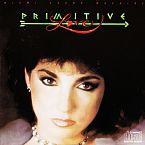
Miami Sound Machine had been around since 1977 and had a hit in Europe with their song "Dr. Beat" in 1984, but "Conga" was their American breakthrough. The lead single from their 1985 album
Primitive Love, it went to #1 on the Dance chart and reached #10 on the Hot 100.
The next two singles from the album were also hits: "Bad Boy" and "
Words Get In The Way." They had another hit in 1987 with "Rhythm Is Gonna Get You," and in 1989 Gloria Estefan went solo with her album
Cuts Both Ways.
"Conga" is quite the party starter, a favorite among DJs who want to get the crowd moving. When it's played, conga lines often form, bringing lots of energy to the event.
At weddings and other such gatherings, these conga lines became very popular after the song was released. In 1988 an estimated 119,000 people congaed their way into the Guinness Book of Records to the beat of this song.
Even before "Conga" was recorded, Gloria Estefan and her band knew it would be a hit. During live gigs, people danced to it like it was already a chart-topper even though they had never heard it before.
Conga lines became popular in America in the 1940s and were revived with this song. Creating a song named after the dance was a stroke of genius, especially since "conga" rhymes (sort of) with "longer" and "stronger," making it easily singable.
"Conga" was written by Enrique "Kiki" Garcia, a drummer in Miami Sound Machine who was their primary songwriter on their previous album, Eyes of Innocence. Most of the other tracks on the Primitive Love album were written by the trio of producer/drummer Joe Galdo, songwriter/producer Rafael Vigil, and keyboardist/producer Lawrence Dermer. These guys didn't tour with the band - by this time they had separate groups for studio work and live shows.
Musically, there's a lot going on in "Conga," with a mix of horns, piano, guitars, and of course, drums. Within that drum category there are live conga drums but also a drum machine - a LinnDrum - that was a hallmark of upbeat pop music in 1985. Many groups were using drum machines and synthesizers at this time, but Miami Sound Machine found a way to incorporate them into live Latin rhythms.
"Conga" launched Miami Sound Machine into global fame in 1985, but only after being rejected seven times by their own label. "Yeah, they weren't feeling it," Gloria Estefan
told The Independent with a laugh. "They thought it was too Latin for the Americans and too American for the Latin [market]."
Estefan pushed back. "I told them, 'But that's who we are!'"
The band had already seen the song light up dance floors at their gigs even before it was recorded. Convinced of its potential, Gloria and her husband Emilio Estefan asked Puerto Rican DJ and producer Pablo Flores to create a club remix. That version found its way into European clubs and boomeranged back to the US a year later. The song became a rare crossover smash, charting on four Billboard charts: pop, dance, Latin, and R&B, an unprecedented feat at the time.
"Conga" was inducted into the Grammy Hall of Fame in May 2025.
"Conga" appeared in the Netflix series Sirens. The song is featured in Episode 5 ("Siren Song"), where it plays during a scene in which the character Jose starts a "celebration mix" and the track is heard from a speaker system during an interior scene.
"Everyone kept sending me messages asking me, 'Have you seen it?'" Gloria Estefan told The Independent. "We have our own publishing rights so I knew we had given permission for something, but there are so many requests that I don't remember. But it was a great show, I ripped through the whole thing."