
Warakurna

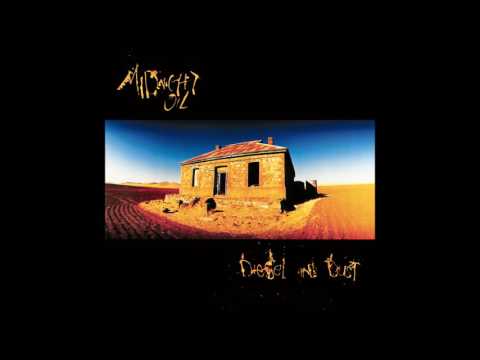
Album: Diesel and Dust (1988)
Play Video

Songfacts®:

  • Warakurna is an Aboriginal community in Western Australia and was the second stop on Midnight Oil's Blackfella/Whitefella tour with the Warumpi Band. Touring indigenous communities was an eye-opening experience for the band as they saw the plight of the marginalized groups firsthand. Jim Moginie, Midnight Oil's guitarist and keyboardist, recalled entering the town for the first time. "The first thing you see coming in to the town is a piece of space satellite junk that had fallen to earth like something out of Star Wars. Then a hand-painted sign saying 'Strict Rules.' Then, a mountain of derelict car bodies. All set against the most beautiful ochre/purple colored hills you could imagine that felt so weathered and ancient," he told Identity Theory.

    "We camped on a riverbed and heard stories about how the people there had been handed bread with poison on it by the whitefellas. We were getting to know the guys in the Warumpi Band. It was the first time I had heard the term 'Europeans' used to describe white people, of which I was one. And I believed it. Because out on that land, with their deep culture and history, it really felt like a country within another country, but somehow swept under the carpet."
  • The album takes its name from this song, with the lyrics: "Diesel and dust is what we breathe, this land don't change and we don't leave."
  • The line, "Not since Lasseter was here, black man's got a lot to fear," references Harold Lasseter, a white explorer whose search for an elusive gold reef in the desert of Western Australia became legendary. He died during a failed expedition to find his treasure in 1930. "It was a Raiders of The Lost Ark kind of deal, and some people still reckon Lasseter's reef exists," Moginie explained. "The line simply says hypothetically that if he was right, Lasseter posed a threat in terms of: more whites/more disease and alcohol/more pressure to get off their land because of how valuable the ground would be to white people. But back in the 1980s, and even now, the threats to Aboriginal people are political in nature: money for education, housing and health still come from our Washington, namely Canberra."

Comments: 2

  • Momma Cowgirl From Florida from FloridaI remember Midnight Oil from MTV in the late 80's. As I grow older, I am now 70, I have really come to appreciate their music more and more. It makes me think and it makes me dance. The music of Midnight Oil is timeless and speaks to us in the thru out our lives. Long Live Midnight Oil!
  • Poppa Cowboy from FloridaBeen an Oils fan since I saw them in concert in Hollywood,Cal back in the late 80s. They were relatively unknowns,but over the years I've come to slowly (still am)understand the true meaning of their songs and now appreciate them more then ever. Love you guys
see more comments

Editor's Picks

Holly Knight ("The Best," "Love Is A Battlefield")

Holly Knight ("The Best," "Love Is A Battlefield")Songwriter Interviews

Holly Knight talks about some of the hit songs she wrote, including "The Warrior," "Never" and "The Best," and explains some songwriting philosophy, including how to think of a bridge.

Maxi Priest

Maxi PriestSongwriter Interviews

The British reggae legend tells the story of his #1 hit "Close To You," talks about his groundbreaking Shabba Ranks collaboration "Housecall," and discusses his latest project with Robin Trower.

Paul Stanley of Kiss, Soul Station

Paul Stanley of Kiss, Soul StationSongwriter Interviews

Paul Stanley on his soul music project, the Kiss songs with the biggest soul influence, and the non-make-up era of the band.

Second Wind Songs

Second Wind SongsSong Writing

Some songs get a second life when they find a new audience through a movie, commercial, TV show, or even the Internet.

Bob Daisley

Bob DaisleySongwriter Interviews

Bob was the bass player and lyricist for the first two Ozzy Osbourne albums. Here's how he wrote songs like "Crazy Train" and "Mr. Crowley" with Ozzy and Randy Rhoads.

Devo

DevoSongwriter Interviews

Devo founders Mark Mothersbaugh and Jerry Casale take us into their world of subversive performance art. They may be right about the De-Evoloution thing.