
Straight Edge

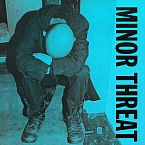
Album: Minor Threat (1981)
Play Video

Songfacts®:

  • This is the song that coined the term "Straight Edge," meaning a lifestyle free of drugs, alcohol and casual sex. Minor Threat lead singer Ian MacKaye, who wrote the song, espouses this lifestyle.

    "The idea being 'straight' was really the product of just thinking about living," he said in EDGE the movie. "Why would you want to poison yourself? Why would you want to not be present? What would be the purpose of that?"
  • This 46-second blast of hardcore punk had an outsized impact. Before the straight edge concept permeated the culture as a whole, it was introduced through this song into the punk scene, where drugs and alcohol were as ubiquitous as mohawks and nose piercings. Minor Threat made it clear that clean living was a perfectly sensible choice, and made the case that abstaining was the true act of rebellion. Kids who went to punk shows and didn't want to drink or do drugs suddenly had a tribe and a simple explanation: "I'm straight edge."
  • Ian MacKaye wasn't trying to start a movement or tell anyone else how to live - the song reflects his personal beliefs and explains why he feels that way. He's explained that the song is really about individuality, a reaction to the pressure he felt to indulge at a time when sex, drugs and rock and roll were a holy trinity.

    "I don't think people who weren't alive or weren't teenagers in the late 1970s really understand how radical it was to not get high," he told Satya magazine. "But I'm talking about general people, kids who didn't drink in a culture that is just so alcoholic. It's not weird — it's actually completely organic and natural to not put shit into your body."

    He says he wrote the song when he was 18 and getting hassled by some friends for refusing to partake.
  • Minor Threat were part of the Washington, DC punk scene in the early '80s. "Straight Edge" appears on their self-titled debut EP, released in 1981.

    The band lasted just a few years but proved very influential. Ian MacKaye went on to form Fugazi, which made an even bigger impact. MacKaye also formed the Dischord label, which he used to release Minor Threat and Fugazi material. Fiercely independent, the label became a template for DIY punk and became to many other bands, including Government Issue and Q and Not U.
  • Ian MacKaye held true to his beliefs, never wavering from the straight edge lifestyle, which for him includes a vegan diet. He also firmly rejected corporate partnerships and lavish indulgences. His band Fugazi got surprisingly popular and drew interest from big labels, which he rebuffed. Fugazi were known for going out of their way to keep prices low and create a safe environment at their shows - no slam dancing. No one could accuse MacKaye of selling out.
  • A surprising inspiration for this song is "If 6 Was 9" by Jimi Hendrix. That song also introduced a new term: "freak flag," a mantra for personal freedom.

    What's surprising about the inspiration is that Hendrix was a heavy user of drugs and alcohol who died at 27. But Ian MacKaye believes Hendrix had every right to live that way, even if it ultimately killed him.

Comments: 4

  • Marcus from Columbia, Modefinitely a band that has opened my eyes to better and more meaningful music.
  • James from Newton, MaNot my lifestyle choice but a great song by one of the best punk bands of all time
  • Jeff from Austin, TxThis is the most hardcore 45 seconds ever recorded. Minor Threat is one of the most underrated bands ever.
  • Dev01d from Wollongong, AustraliaMinor Threat changed my life. I prefer 'In my eyes' over this song but it's all the same message. Can't believe no one has commented on this song before.
see more comments

Editor's Picks

Dr. John

Dr. JohnSongwriter Interviews

The good doctor shares some candid insights on recording with Phil Spector and The Black Keys.

Matthew Wilder - "Break My Stride"

Matthew Wilder - "Break My Stride"They're Playing My Song

Wilder's hit "Break My Stride" had an unlikely inspiration: a famous record mogul who rejected it.

Chris Squire of Yes

Chris Squire of YesSongwriter Interviews

One of the most dynamic bass player/songwriters of his time, Chris is the only member of Yes who has been with the band since they formed in 1968.
Gary Louris of The Jayhawks

Gary Louris of The JayhawksSongwriter Interviews

The Jayhawks' song "Big Star" has special meaning to Gary, who explains how longevity and inspiration have trumped adulation.

David Paich of Toto

David Paich of TotoSongwriter Interviews

Toto's keyboard player explains the true meaning of "Africa" and talks about working on the Thriller album.

Jeff Trott

Jeff TrottSongwriter Interviews

Sheryl Crow's longtime songwriting partner/guitarist Jeff Trott reveals the stories behind many of the singer's hits, and what its like to be a producer for Leighton Meester and Max Gomez.