Stay Soft

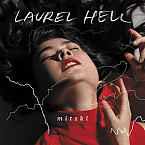
Album: Laurel Hell (2022)
Play Video

Songfacts®:

  • In this deceptively upbeat dance track, Mitski tries to overcome her emotional pain by becoming entangled in an unhealthy sexual relationship. "This song, frankly, is about hurt people finding each other, and using sex to make sense of their pain," she explained in a press release. "This is by no means the correct way to cope with trauma, but it's a thing people do regardless, and I always want to write songs about what we actually do, so that we don't feel alone in them."
  • Mitski also explained how the song evolved from darker origins, saying, "Stay Soft' was a more straightforward rock song when I wrote it on guitar, but the darkly sexual lyrics sung in that context felt too heavy and melodramatic. So we couched the depressing lyrics in an inviting dance beat, which is a trick people have used for hundreds of years. The remnants of the original grungy feeling can be heard starting at the instrumental interlude, when the distorted guitar comes in."
  • Although Mitski wrote most of the Laurel Hell album in 2018, she recorded it during the global COVID-19 pandemic, which ended up influencing the direction of the tracks. This one, in particular, took on a new energy in response to being cooped up during quarantine.

    "During the pandemic, I realized I really need to dance," she told Pitchfork. "I really need something to make me move and feel good. Even though the lyrical content is sad or resigned or whatever, I couldn't handle also producing music that was dreary. I just needed something to pick me up and get me out of the funk. I find that when a song's lyrics are very, very sad or just about something very dark, it's really hard to bring a person in and have them relate to it when the music is also just heavy-handed."
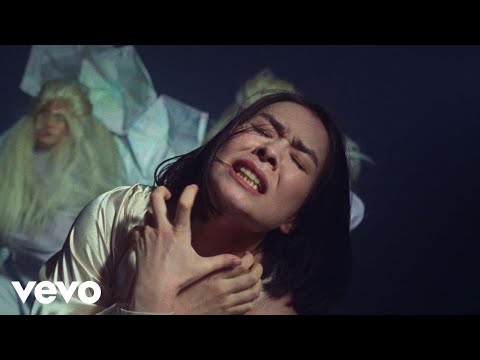
  • In the creepy music video, Mitski wanders a strange garden where a blood-feasting flower grows. As she's tending to the plant with her gashed hand, she's abducted by masked figures. After putting up a fight, represented by a choreographed dance routine, she slaughters her captors and returns to the garden, where she waters the flower with her blood.

    The clip, directed by Maegan Houang ("The Only Heartbreaker ") was inspired by Romanticism and artwork from the Victorian era. Houang said of the concept, "Like the lyrics of the song 'Stay Soft,' paintings from that era have a gentle quality, but they still evoke a certain feeling of unexplored darkness and danger. I want the audience to feel safe within this fabricated world and then realize that the character Mitski plays is being hunted. The violence lurking beneath the surface emerges, and yet is still transformed into something beautiful via dance. Through the dance sequence, Mitski's character is able to conquer the violence, but not without irreparable harm to her psyche."

Comments

Be the first to comment...

Editor's Picks

Holly Knight ("The Best," "Love Is A Battlefield")

Holly Knight ("The Best," "Love Is A Battlefield")Songwriter Interviews

Holly Knight talks about some of the hit songs she wrote, including "The Warrior," "Never" and "The Best," and explains some songwriting philosophy, including how to think of a bridge.

Maxi Priest

Maxi PriestSongwriter Interviews

The British reggae legend tells the story of his #1 hit "Close To You," talks about his groundbreaking Shabba Ranks collaboration "Housecall," and discusses his latest project with Robin Trower.

Paul Stanley of Kiss, Soul Station

Paul Stanley of Kiss, Soul StationSongwriter Interviews

Paul Stanley on his soul music project, the Kiss songs with the biggest soul influence, and the non-make-up era of the band.

Second Wind Songs

Second Wind SongsSong Writing

Some songs get a second life when they find a new audience through a movie, commercial, TV show, or even the Internet.

Bob Daisley

Bob DaisleySongwriter Interviews

Bob was the bass player and lyricist for the first two Ozzy Osbourne albums. Here's how he wrote songs like "Crazy Train" and "Mr. Crowley" with Ozzy and Randy Rhoads.

Devo

DevoSongwriter Interviews

Devo founders Mark Mothersbaugh and Jerry Casale take us into their world of subversive performance art. They may be right about the De-Evoloution thing.