Hitchhiker

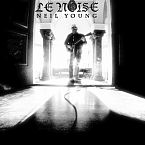
Album: Le Noise (2010)
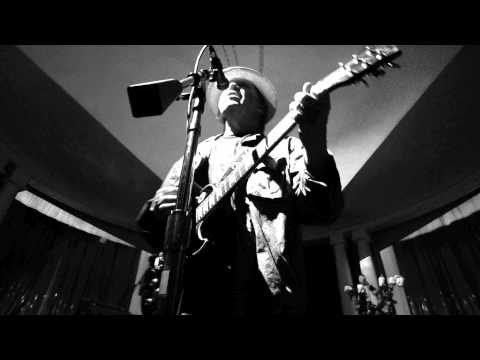
Play Video

Songfacts®:

  • This harrowing autobiographical track is a previously unreleased cut dating from the mid 1970s. The newly updated lyrics tell Young's entire life story including all the drugs he's ingested.
  • Young told Billboard magazine that after a few acoustic tracks were initially recorded for Le Noise, he pulled out this song and began working it up. "The song evolved from being solo acoustic into being solo electric," he said "Then I thought to myself, 'This is definitely going to be better electric than acoustic. So we tried it and it sounded really interesting and really good and strong... So I went home and got my white [Gretsch] Falcon out... and I wrote a sound or two like that and then brought them in and that kind of opened the door for us."
  • Young plugs in his famed old black Les Paul for this track. Producer Daniel Lanois told MusicRadar: "That's some guitar. Neil starts playing that and you go, 'Oh yeah, that's him!' It's got a meaty, grungy, gnarly presence, whereas the Gretsch has more midrange and clarity to it. Both guitars sound great through those Tweeds."
  • Young told Mojo magazine February 2011 the story of the song: "Hitchhiker was an unfinished song that I finished for this project. I performed it a couple of times in the past so all the aficionados refer to it as an old song, but it's really an unfinished song, something I would get to the end and go, 'Well it's not over, it's not finished. It's kind of like a song I had called Powderfinger, which I had for six years before I wrote the last verse and then I put it on Rust Never Sleeps. I added more lyrics to it at the end and altered some of what was there before to make it a complete song. So Hitchhiker took me about 40 years to write."
  • Young told Mojo that with "Hitchhiker" he, "didn't really sit down and think. 'Well now I'm going to write some more'" He explained: "I remembered the song and I got the lyric sent to the hotel from my archive, and I read it, and I played it on the guitar and I remembered the changes. And then I changed the guitar chords to make it different from what it was originally, I added another chord in one place where there wasn't one. When I got all the way through it I kept writing and wrote two more verses. But I didn't know I was going to do that until I got to the end and I was singing it with the new chord and it felt better to me than I ever had. So I just kept going and then it felt finished - and then I had to try not to forget the verses and go and find a pen, because I didn't know I was going to sing two more verses!"

Comments

Be the first to comment...

Editor's Picks

Philip Cody

Philip CodySongwriter Interviews

A talented lyricist, Philip helped revive Neil Sedaka's career with the words to "Laughter In The Rain" and "Bad Blood."

Michael Franti

Michael FrantiSongwriter Interviews

Franti tells the story behind his hit "Say Hey (I Love You)" and explains why yoga is an integral part of his lifestyle and his Soulshine tour.

Graham Parker

Graham ParkerSongwriter Interviews

When Judd Apatow needed under-appreciated rockers for his Knocked Up sequel, he immediately thought of Parker, who just happened to be getting his band The Rumour back together.

Dennis DeYoung

Dennis DeYoungSongwriter Interviews

Dennis DeYoung explains why "Mr. Roboto" is the defining Styx song, and what the "gathering of angels" represents in "Come Sail Away."

Chris Frantz of Talking Heads

Chris Frantz of Talking HeadsSongwriter Interviews

Talking Heads drummer Chris Frantz on where the term "new wave" originated, the story of "Naive Melody," and why they never recorded another cover song after "Take Me To The River."

Dar Williams

Dar WilliamsSongwriter Interviews

A popular contemporary folk singer, Williams still remembers the sticky note that changed her life in college.