
Fa-Fa-Fa-Fa-Fa (Sad Song)

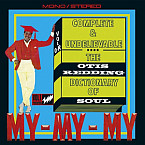
Album: Complete & Unbelievable (1966)
Charted: 23 29
Play Video

Songfacts®:

  • When Otis Redding worked up a song, he would sing out the horn arrangement by vocalizing "fa fa fa" to indicate where the horns should go and what they should play. In this song, he used those "fa"s to form the rhythm, following in the tradition of songs like "Be-Bop-a-Lula" and "Da Doo Ron Ron."

    In the chorus, the song takes listeners behind the scenes, as we hear Otis instructing his horn section, the Memphis Horns, when to play:

    Fa-fa-fa-fa-fa-fa-fa-fa-fa
    Your turn
    [horns play]
  • Redding had developed a reputation for singing sad songs like "I've Been Loving You Too Long (To Stop Now)." In 1964, he had some fun sending up this image with the song "Mr. Pitiful." In "Fa-Fa-Fa-Fa-Fa (Sad Song)" he does it again, singing, "Sad songs is all I know."

    This was far from true - Redding did lots of stompers and could sing with tremendous energy - but it was a great concept for a song about how music can move you, telling a story without any coherent words. Those sad songs can make you feel something deep inside, which is what Redding's brand of soul music was all about.
  • Redding wrote this with Steve Cropper, the guitar player for Stax Records, where Redding was signed. Cropper and Redding complemented each other very well, as Cropper could flesh out Redding's ideas and bring them to fruition. Redding wasn't very good at writing about himself, so Cropper often filled in the verses from the singer's perspective. That's what happened on this track: Cropper came up with lyrics about Redding spreading his musical message through sad songs.
  • David Porter, a producer-songwriter at Stax, sang the harmony vocals with Redding.
  • Redding claimed that he got the idea for the horn riffs from the theme to the quiz show The $64,000 Question, which went off the air in 1958.
  • Sly & the Family Stone used a very similar "fa" motif with horns in their 1970 #1 hit, "Everybody Is A Star."

Comments: 3

  • Barry from Sauquoit, NyOn December 3rd, 1966 Otis Redding performed "Fa Fa Fa Fa Fa" on the ABC-TV program 'American Bandstand'...
    Two months earlier on October 1st it entered Billboard's Hot Top 100 chart; eventually it peaked at #29 and spent 8 weeks on the Top 100...
    It reached #12 on Billboard's R&B Singles chart...
    R.I.P Mr. Redding (September 9th, 1941 - December 10th, 1967).
  • Francis from Long Island, NyFor many years I thought "That's How Strong My Love Is", was my favorite Otis song. I have changed that since Memorial Day weekend this year(2008)-when I actually heard AND paid attention to this song again!!!
    It struck me like nothing has in a long time!
    Incredible stuff-like EVERYTHING he did!!!
  • Hal from Atlanta, Gaotis redding attended allard hudson high school in macon ga. and was a pretty good football player until forced to drop out in the 11th grade to provide for the family after his minister father otis senior became ill
see more comments

Editor's Picks

Tommy James

Tommy JamesSongwriter Interviews

"Mony Mony," "Crimson and Clover," "Draggin' The Line"... the hits kept coming for Tommy James, and in a plot line fit for a movie, his record company was controlled by the mafia.

Steely Dan

Steely DanFact or Fiction

Did they really trade their guitarist to The Doobie Brothers? Are they named after something naughty? And what's up with the band name?

David Gray

David GraySongwriter Interviews

David Gray explains the significance of the word "Babylon," and talks about how songs are a form of active imagination, with lyrics that reveal what's inside us.

JJ Burnel of The Stranglers

JJ Burnel of The StranglersSongwriter Interviews

JJ talks about The Stranglers' signature sound - keyboard and bass - which isn't your typical strain of punk rock.

Tim McIlrath of Rise Against

Tim McIlrath of Rise AgainstSongwriter Interviews

Rise Against frontman Tim McIlrath explains the meanings behind some of their biggest songs and names the sci-fi books that have influenced him.

George Clinton

George ClintonSongwriter Interviews

When you free your mind, your ass may follow, but you have to make sure someone else doesn't program it while it's wide open.