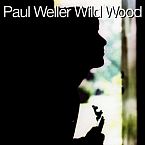
Wild Wood

Album: Wild Wood (1993)
Charted: 14
Play Video

Songfacts®:

  • Following the dissolution of The Style Council and a period of musical exploration in the late 1980s, Paul Weller returned to his roots. He revisited the classic rock influences that initially inspired him while also drawing upon the melancholic folk of Nick Drake and the early work of Neil Young. This reinvigorated approach is evident throughout the Wild Wood album, particularly in the title track.

    "Wild Wood" is an acoustic ballad that encapsulates the album's rustic and introspective atmosphere. Built on a simple, folk-inspired chord progression, the song meditates on the allure of nature and the desire to escape the complexities of modern life. The "Wild Wood" serves as a metaphor for a sanctuary, a place of refuge and solitude where one can reconnect and find peace.
  • After demoing the tracks for Wild Wood at his local Black Barn studio, Weller recorded the album with co-producer Brendan Lynch (Primal Scream and Ocean Colour Scene) at The Manor Studio, Oxfordshire.
  • Weller originally envisaged "Wild Wood" as a "modern-day folk song," but the Black Barn demo was more electric guitar- and beats-driven. At The Manor, it was stripped down into its final form as a slow-burning acoustic ballad. "It wasn't really working for us, "Weller told Mojo magazine of the original, "and it might have been Brendan's idea to simplify the whole thing."

    "It really worked out," added Lynch. "We tried recording outside first of all, with Paul in the yard at the Studio. We had a couple of umbrellas over him to try and stop the wind. It sounded good, but it was unusable because of the elements. So, then it was, 'Let's put him inside,' and we got it in a few takes."
  • Wild Wood received widespread critical acclaim, praised for its raw energy, diverse influences, and thoughtful lyrics. Many consider it one of Weller's best works. The album reached #2 on the UK Albums Chart and spawned three UK Top 20 singles: the title track, "Sunflower," and "Hung Up."
  • Released at the dawn of the Britpop movement, Wild Wood was a key influence, inspiring artists who drew inspiration from classic British rock and emphasized melodic songwriting. The album continues to be a favorite among fans and musicians alike. In 2000, Q magazine placed it at #77 in its list of the 100 Greatest British Albums Ever, and it was included in the book 1001 Albums You Must Hear Before You Die.
  • Released in 1994, Live Wood was Paul Weller's first solo live album, capturing the energy and spirit of his 1993-1994 tour in support of Wild Wood. It includes a live version of the title track from Weller's Wolverhampton Civic Hall concert on March 9, 1994.
  • The song was used in these TV shows:

    1993 ("Episode 1:1" - 2017)
    My Mad Fat Diary ("It's a Wonderful Rae: Part 2" - 2013)
    My Mad Fat Diary ("Don't Ever Tell Anybody Anything" - 2013)
    Skeppsholmen its (Episode 4:8 - 2004)
  • Weller pinched the song title from a house name he spotted on the A3 out to Ripley.
  • Gabrielle's 2007 song "Why" heavily samples "Wild Wood." Paul Weller is credited on "Why" as playing guitar and contributing backing vocals.

Comments

Be the first to comment...

Editor's Picks

Wedding Bell Blues

Wedding Bell BluesSong Writing

When a song describes a wedding, it's rarely something to celebrate - with one big exception.

Pam Tillis

Pam TillisSongwriter Interviews

The country sweetheart opines about the demands of touring and talks about writing songs with her famous father.

Queen

QueenFact or Fiction

Scaramouch, a hoople and a superhero soundtrack - see if you can spot the real Queen stories.

Barry Dean ("Pontoon," "Diamond Rings And Old Barstools")

Barry Dean ("Pontoon," "Diamond Rings And Old Barstools")Songwriter Interviews

A top country songwriter, Barry talks about writing hits for Little Big Town, Tim McGraw and Jason Aldean.

Don Brewer of Grand Funk

Don Brewer of Grand FunkSongwriter Interviews

The drummer and one of the primary songwriters in Grand Funk talks rock stardom and Todd Rundgren.

Sending Out An SOS - Distress Signals In Songs

Sending Out An SOS - Distress Signals In SongsSong Writing

Songs where something goes horribly wrong (literally or metaphorically), and help is needed right away.