Self Defense

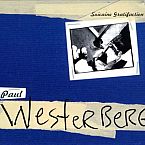
Album: Suicane Gratification (1999)
Play Video

Songfacts®:

  • You think you've had to sit through some uncomfortable dinners in your day? In "Self Defense," Paul Westerberg sits through one so bad that he starts thinking about literally killing himself.

    "Self Defense" is a song of alienation, angst, and doubt-themes Westerberg has been exploring since his 1979 start with The Replacements. He was one of the first to do so in a serious and consistent fashion. In the process he became a trailblazer for '90s grunge and alternative music, even though those scenes were mostly ignoring him by the time he recorded "Self Defense" for Suicane Gratification, his third solo album.

    "Self Defense" is all fragile piano and ragged vocals - sounds of a broken man teetering on the edge. Westerberg sings about holding his true feelings inside while eating dinner with unnamed others. He wants to spill his dinner to escape the situation, yet he remains. "Self Defense" becomes a self-portrait of a man who made himself a legend with drunken debauchery and his combative attitude towards record executives, fans, and Tom Petty alike. Only in his later years did he drop some hints about the anxiety and self-doubt that had fueled those behaviors.

    His need to escape the dinner scene builds through "Self Defense" until we reach the finale, in which Westerberg reveals how deep his angst truly runs:

    And it's wrong to commit a suicide
    It's only in self-defense
  • Westerberg has sung about suicide without actually using the word in songs such as "Crackle And Drag" and "Can't Hardly Wait."
  • Don Was co-produced Suicane Gratification in 1999, the same year he worked on Ziggy Marley and the Melody Makers' final album, Spirit of Music. Was was a Westerberg fan. He listened to 14 Songs, Westerberg's first solo album, as inspiration for Voodoo Lounge, the Rolling Stones' 22nd studio album.
  • Lying through dinner
    And your rock and roll teeth again


    In Seeing Through Paul, a documentary covering Westerberg's creation of Suicane Gratification, Westerberg says his only regret was not getting his teeth fixed earlier in his career. "It's too late now," he says, "I've become accustomed to them."
  • Then you wouldn't have to sit here
    On the fence


    To sit "on the fence" is to be indecisive or stuck between two sides of a problem.

Comments: 1

  • John from Levittown, NyShawn Colvin sings backup on this song. Westerberg has said this song took him six months to write, as opposed to most of his stuff, which tends to be quickly written when the inspiration hits him. A truly underappreciated musician and lyricist.
see more comments

Editor's Picks

Facebook, Bromance and Email - The First Songs To Use New Words

Facebook, Bromance and Email - The First Songs To Use New WordsSong Writing

Where words like "email," "thirsty," "Twitter" and "gangsta" first showed up in songs, and which songs popularized them.
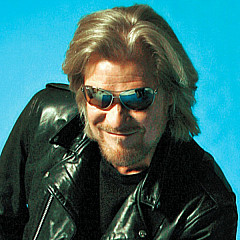
Daryl Hall

Daryl HallSongwriter Interviews

Daryl Hall's TV show is a hit, and he's been inducted into the Rock and Roll Hall of Fame - only one of these developments excites him.
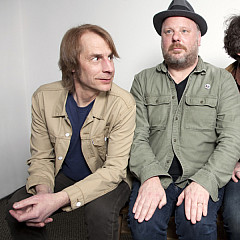
Mark Arm of Mudhoney

Mark Arm of MudhoneySongwriter Interviews

When he was asked to write a song for the Singles soundtrack, Mark thought the Seattle grunge scene was already overblown, so that's what he wrote about.

Al Jourgensen of Ministry

Al Jourgensen of MinistrySongwriter Interviews

In the name of song explanation, Al talks about scoring heroin for William Burroughs, and that's not even the most shocking story in this one.

The Fratellis

The FratellisSongwriter Interviews

Jon Fratelli talks about the band's third album, and the five-year break leading up to it.

Chris Frantz of Talking Heads

Chris Frantz of Talking HeadsSongwriter Interviews

Talking Heads drummer Chris Frantz on where the term "new wave" originated, the story of "Naive Melody," and why they never recorded another cover song after "Take Me To The River."