Wilson

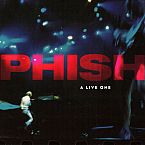
Album: A Live One (1986)
Play Video

Songfacts®:

  • "Wilson" may be the most important song in Phish history.

    In Phish: The Biography, the song's cowriter Tom Marshall says Phish was built upon the song. "It was the seed of the whole thing."
  • Marshall wrote the song with Aaron Woolf while in junior high Latin class. They weren't looking to accomplish anything too significant or serious. After writing the lyrics, they sang it to friends, who all found the song amusing but didn't get it.

    Future Phish frontman Trey Anastasio saw it differently. He asked the pair to sing it again. When they asked if he "got it," Anastasio said, "Oh yeah, I get it."
  • Phish started performing this song in 1986; it has gone through a number of iterations over the years. A studio version was never released, but a live rendition did appear on the 1995 album A Live One.
  • The song was originally titled "Wilson, Can You Still Have Fun?"
  • The name Wilson was taken from Wilson's Leather Shop in King of Prussia, Pennsylvania.
  • "Wilson" is a part of the multi-song saga titled Gamehendge, which stemmed from Anastasio's Goddard College senior study project titled The Man Who Stepped Into Yesterday.

    Gamehendge spans about 10 Phish songs, but that number has never been officially set. The work mutates over time. In what is generally considered the unofficial storyline, "Wilson" is the fifth song, coming after "Tela" and before "AC/DC Bag."

    The narrative in "Wilson" isn't all that important to the broader Gamehendge narrative. Its place, more than anything, is important to the flow of the music itself.

    As a straightforward rock tune, it's a good transition between the sweetness of "Tela" and the relaxed groove of "AC/DC Bag."
  • The character Wilson is a symbol of corruption, unchecked ambition, and greed.

    According to Phish.net, the character singing "Wilson" is meant to be an enraged Errand Woolf, who helped Wilson lead a revolution over the fascist Lizards and now finds Wilson to be the same kind of power-hungry monster that he originally fought to topple.

Comments

Be the first to comment...

Editor's Picks

Holly Knight ("The Best," "Love Is A Battlefield")

Holly Knight ("The Best," "Love Is A Battlefield")Songwriter Interviews

Holly Knight talks about some of the hit songs she wrote, including "The Warrior," "Never" and "The Best," and explains some songwriting philosophy, including how to think of a bridge.

Maxi Priest

Maxi PriestSongwriter Interviews

The British reggae legend tells the story of his #1 hit "Close To You," talks about his groundbreaking Shabba Ranks collaboration "Housecall," and discusses his latest project with Robin Trower.

Paul Stanley of Kiss, Soul Station

Paul Stanley of Kiss, Soul StationSongwriter Interviews

Paul Stanley on his soul music project, the Kiss songs with the biggest soul influence, and the non-make-up era of the band.

Second Wind Songs

Second Wind SongsSong Writing

Some songs get a second life when they find a new audience through a movie, commercial, TV show, or even the Internet.

Bob Daisley

Bob DaisleySongwriter Interviews

Bob was the bass player and lyricist for the first two Ozzy Osbourne albums. Here's how he wrote songs like "Crazy Train" and "Mr. Crowley" with Ozzy and Randy Rhoads.

Devo

DevoSongwriter Interviews

Devo founders Mark Mothersbaugh and Jerry Casale take us into their world of subversive performance art. They may be right about the De-Evoloution thing.