Bobby

Album: Lost Weekend (2026)
Charted: 93
Play Video

Songfacts®:

  • "Bobby" is Phoebe Bridgers' unusually direct, upbeat love song about the disarming happiness of finding a relationship that feels safe. The title character is comedian, musician, and filmmaker Bo Burnham (full name: Robert Pickering Burnham) and the song frames him as the person who finally puts an end to a long era of emotional exhaustion:

    Bobby, this could be the end of wanting
  • Uncomplicated romantic optimism is rare terrain for Bridgers, who deliberately set out to dodge her usual impulse toward irony and tragedy. "I really didn't want to do it this time," she explained. "I wanted to write about the feeling of love at first hookup, just your life being totally turned upside down by someone in a good way."
  • The line, "I saw you slow dancing alone in your room," is a clear nod to Burnham's acclaimed 2021 Netflix special Inside, which he wrote, directed, and filmed entirely by himself in a single room during lockdown.
  • Later in the song, Bridgers cheekily notes his height:

    You had to bend over to get through the door

    At 6-foot-5, Burnham's towering frame makes the line a literal observation. Somewhere, a chiropractor is nodding thoughtfully.
  • At its core, "Bobby" is a celebration of domestic cohabitation:

    Now I sleep in your shirts
    And you live in my house
    You sing in the shower
    I talk to myself


    Instead of treating romance as a grand cinematic drama, Bridgers finds joy in the quiet collision of everyday habits. She doesn't have to surrender her own eccentricities; she just gets to share them with someone else.
  • The song's emotional punchline arrives in its final question:

    What are you doing the rest of my life, Bobby?

    Bridgers takes the classic pickup line "What are you doing for the rest of your life?" and tweaks it into something far more permanent. It lands like a playful joke, but underneath the wit is a real admission: she actually imagines him sticking around.
  • Appearing on Bridgers' 2026 album Lost Weekend, "Bobby" showcases Burnham as far more than just a muse; he co-wrote seven tracks across the record, making him a major creative part of the project.
  • Bridgers brought in a diverse guitar section for the track, pairing Justin K. Broadrick of industrial-metal pioneers Godflesh, alongside Mike Kinsella of Midwest emo legends American Football. It's an odd pairing on its face, but their styles blend into a bright, shoegaze-tinged wall of sound that anchors the song’s euphoric energy.
  • Positioned as Track 5 on Lost Weekend, "Bobby" arrives with the startling possibility that Bridgers may finally have found sustaining love. That narrative resurfaces later on "Liberty Tree," named for - or at least apparently referencing, Liberty Tree Mall near Bo Burnham's hometown of Danvers, Massachusetts.
  • Phoebe Bridgers performed "Bobby" on the November 14, 2026, episode of Saturday Night Live. She also played "Still Standing," another song taken from her Lost Weekend album.

Comments

Be the first to comment...

Editor's Picks

Five Rockers Who Rolled With The Devil

Five Rockers Who Rolled With The DevilSong Writing

Just how much did these monsters of rock dabble in the occult?
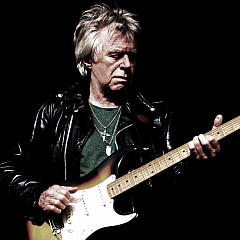
Dave Edmunds

Dave EdmundsSongwriter Interviews

A renowned guitarist and rock revivalist, Dave took "I Hear You Knocking" to the top of the UK charts and was the first to record Elvis Costello's "Girls Talk."
History Of Rock

History Of RockSong Writing

An interview with Dr. John Covach, music professor at the University of Rochester whose free online courses have become wildly popular.
David Bowie Lyrics Quiz

David Bowie Lyrics QuizMusic Quiz

How well do you know your David Bowie lyrics? Take this quiz to find out.
Ed Roland of Collective Soul

Ed Roland of Collective SoulSongwriter Interviews

The stories behind "Shine," "December," "The World I Know" and other Collective Soul hits.
Adam Duritz of Counting Crows

Adam Duritz of Counting CrowsSongwriter Interviews

"Mr. Jones" took on new meaning when the song about a misguided view of fame made Adam famous.