Kill Me

Album: Lost Weekend (2026)
Charted: 100
Play Video

Songfacts®:

  • "Kill Me" is Phoebe Bridgers' slow-building track about aging, mortality, and the scary process of falling in love in a new way.
  • Although its title and doom-laden refrain sound bleak, Bridgers resists a literal reading. During her commentary for college radio station KRUI 89.7 FM, she admitted she was still making sense of it herself:

    "I'm still figuring out what this song is about. I certainly don't like when my lyrics are kind of poured over as really literal," she said. "So, you tell me what this song is about. I don't know. Time passing, I guess."
  • The track opens with standard markers of growing up, friends getting married, people settling down, while Bridgers feels stuck in place. The repeated line "This is gonna kill me" leans into her signature dark humor: it's less about a literal death wish and more about the panic of realizing time is flying by whether you're ready or not.
  • Bridgers is no stranger to using illness and mortality as stand-ins for emotional overload.

    On "Motion Sickness," heartbreak becomes physical nausea ("I've got emotional motion sickness. Somebody roll the window down").

    "I Know The End" turns personal anxiety into a full-blown apocalyptic breakdown. "Kill Me" builds on that same habit, taking everyday anxieties and blowing them up into a massive, noisy wall of sound.
  • The track nods to comedian and filmmaker Bo Burnham (full name Robert Pickering Burnham), whom Bridgers began dating in 2022. The line "Bobby, you taught me that I know nothing" is his first appearance on Lost Weekend, signaling how entering a healthy relationship completely threw off her old ideas about love.
  • Things reach a peak in the song's chaotic final section. Over jagged guitar work by Yeah Yeah Yeahs' guitarist Nick Zinner, guest vocalist Son-John Johnson repeatedly chants "Tamám Shud," a Persian phrase meaning "it is finished" or "it is over."

    Music outlet Holler suggests "Tamám Shud" might be a nod to Australia's famous 1948 Somerton Man mystery, where an unidentified deceased man was discovered with those exact words printed on a scrap of paper in his pocket. Paired with Bridgers singing about going missing, it hints at shedding an old life and disappearing into a private world with a partner. The reference would fit her documented interest in true crime and macabre subject matter, though the specific allusion remains unconfirmed.
  • The eerie voice repeating "Tamám Shud" is credited to Son-John Johnson, who also duets with Bridgers on the Lost Weekend track "I Can't Wait." Fans and journalists have speculated that Son-John Johnson is a pseudonym for Cameron Winter, the frontman of Geese, because of the resemblance between their voices. Winter has responded evasively rather than confirming the theory.
  • On Lost Weekend, "Kill Me" comes between the outward-looking unease of "Lost Boys" and the breakup reckoning of "The Governor's Waltz."

    Its mention of "Bobby" introduces the album's new-love thread, but it does not present romance as a clean escape from anxiety. Instead, as the song swells into its distorted closing passage, Bridgers turns uncertainty, mortality and the passage of time into a strange kind of shared release.

Comments

Be the first to comment...

Editor's Picks

Five Rockers Who Rolled With The Devil

Five Rockers Who Rolled With The DevilSong Writing

Just how much did these monsters of rock dabble in the occult?
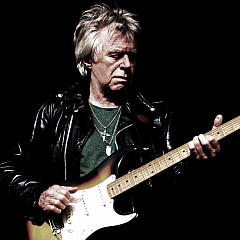
Dave Edmunds

Dave EdmundsSongwriter Interviews

A renowned guitarist and rock revivalist, Dave took "I Hear You Knocking" to the top of the UK charts and was the first to record Elvis Costello's "Girls Talk."
History Of Rock

History Of RockSong Writing

An interview with Dr. John Covach, music professor at the University of Rochester whose free online courses have become wildly popular.
David Bowie Lyrics Quiz

David Bowie Lyrics QuizMusic Quiz

How well do you know your David Bowie lyrics? Take this quiz to find out.
Ed Roland of Collective Soul

Ed Roland of Collective SoulSongwriter Interviews

The stories behind "Shine," "December," "The World I Know" and other Collective Soul hits.
Adam Duritz of Counting Crows

Adam Duritz of Counting CrowsSongwriter Interviews

"Mr. Jones" took on new meaning when the song about a misguided view of fame made Adam famous.