Song For The Deaf

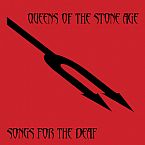
Album: Songs For The Deaf (2002)
Play Video

Songfacts®:

  • Queens Of The Stone Age leader Josh Homme wrote this song with the group's bass player, Nick Oliveri, and with Mark Lanegan of the Screaming Trees, who helped out with the Songs For The Deaf album. The album title came first, with the idea that it would be so loud, even the deaf could hear it. Lanegan took that title and wrote the lyric around it, which is rather grim and obtuse:

    No talk will cure
    What's lost, or save what's left
    For the deaf


    According to Oliveri, Lanegan, who died in 2022 after battling COVID, was going for a "deaf, dumb, and blind kind of thing."
  • Mark Lanegan shares the lead vocal on this one with Josh Homme. Unlike most frontmen, Homme likes to get other singers in on the action to mix things up. Lanegan was one of his favorite singers to work with and handled the lead vocals on three other songs from the album: "Song For The Dead," "Hangin' Tree," and "God Is In The Radio."
  • In a Songfacts interview with Nick Oliveri, he talked about how this song came together. "I had the bass line and it inspired from there," he said. "There wasn't any, 'Hey, I've got this song.' We were jamming in the room and I started playing this bass part and Josh liked it and started jamming on it. Then other parts came to me. The jam part in the middle, I wanted the song to be a longer tune because it was the title track.

    Mark and Josh singing together on it really makes it special. I think their two voices together with the falsetto [Josh] and the low [Mark], is a real treat for the ear. It's a nice, eerie kind of sound while being melodic at the same time. I think the song holds up to be the title of the record."
  • Queens Of The Stone Age started playing the song live about a year before it was released. Back in 2001, bands could still road test songs without too much fear of them being recorded and stolen.
  • The album has a radio station concept, with breaks between some of the songs where we hear stations tune in and out before landing on a station with some DJ patter. "Song For The Deaf" starts with a female DJ (voiced by Natasha Shneider, who played various instruments on the album) on the station WOMB and ends with a male DJ (voiced by Dave Catching, who played guitar and piano on their previous album, Rated R) on WANT, who signs off, signalling the end of the album. But the album isn't over: after about 30 seconds of silence, a bizarro version of the band's 2000 track "Feel Good Hit Of The Summer" comes on with the lyrics replaced with "ha ha" laughter. This is followed by a hidden track called "Mosquito Song."

    In the digital age, none of this is hidden, but on the CD it made for some interesting and unexpected listening.
  • Dave Grohl did most of the drumming on the Songs For The Deaf album, including on this track. The Foo Fighters frontman couldn't resist the offer to get back on the kit - he was the drummer in Nirvana.

Comments

Be the first to comment...

Editor's Picks

Christopher Cross

Christopher CrossSongwriter Interviews

The man who created Yacht Rock with "Sailing" wrote one of his biggest hits while on acid.

Rufus Wainwright

Rufus WainwrightSongwriter Interviews

Rufus Wainwright on "Hallelujah," his album Unfollow The Rules, and getting into his "lyric trance" on 12-hour walks.

Jon Anderson of Yes

Jon Anderson of YesSongwriter Interviews

From the lake in "Roundabout" to Sister Bluebird in "Starship Trooper," Jon Anderson talks about how nature and spirituality play into his lyrics for Yes.
When Rock Belonged To Michelob

When Rock Belonged To MichelobSong Writing

Michelob commercials generated hits for Eric Clapton, Genesis and Steve Winwood in the '80s, even as some of these rockers were fighting alcoholism.

Charles Fox

Charles FoxSongwriter Interviews

After studying in Paris with a famous composition teacher, Charles became the most successful writer of TV theme songs.

Wolfgang Van Halen

Wolfgang Van HalenSongwriter Interviews

Wolfgang Van Halen breaks down the songs on his debut album, Mammoth WVH, and names the definitive Van Halen songs from the Sammy and Dave eras.