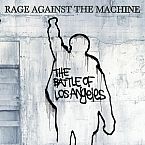
Album: The Battle Of Los Angeles (1999)
Play Video

Songfacts®:

  • In Rage Against The Machine's mashup of rap and rock, "Mic Check" is squarely rap, to the point of being a parody of superficial rap music that's all about wealth, status and consumerism - all things the band raged against. Lead singer Zack de la Rocha fills the song with lots of hip-hop clichés, like spelling out a name. But instead of the usual rap lyrics, he delivers a screed on power and corruption. So the word he spells out is "rebel" ("R to the "E"...).

    In the '90s, rappers often said "mic check" in their rhymes to stir up the crowd, which is what De la Rocha is doing.
  • The song is sometimes called "Mic Check (Once Hunting, Now Hunted)" referring to the police who were once "Hunting from 9-to-5, through factory lines" and are now hunted on "This modern day auction block."
  • Rage Against The Machine played "Mic Check" live a handful of times before they released it on their third album, The Battle Of Los Angeles, in November 1999. On January 28, 1999, they played it at a benefit concert for Mumia Abu-Jamal, a prisoner the band thought was innocent. Beastie Boys and Bad Religion also played that show.

    This live version includes the chorus lyric: "From the field, to the factory - mic check, ha ha ha!"
  • After it appeared on their The Battle Of Los Angeles album, the band never played "Mic Check" live. They broke up a year later, with De la Rocha's bandmates forming Audioslave with Chris Cornell. Rage had two reunions but didn't put out any more new music.

Comments: 7

  • Nothin from NothinThe lyric is "the pig who's free to murder once ya clacked". These translations online are garbage. It means the cop who murders you while you're handcuffed.
  • Edward from Downey, Ca"the pig who's free to murder one Shucklack" Is about The Police steping over the line and using excessive force. And It happens all the time."Or survivors who make a move and murders one back" is talking about maybe someone who fights back or maybe a reference to Mumia.
  • Andrea from Redondo Beach , CaI think this song has to do with our economy and making just enough to live and the government taking the rest in taxes and such. We bust our asses and the government takes just what it wants. It says "The politricks who rob and hold down your zone?
    Or those who give the thieves the key to their homes?" I strongly believe that the 'thieves' refer to our system, our government.
  • Adam from Niagara Falls, OnCareter and Mark both have their own opinions and as a rage fan you should be able to accept that without criticism. Saying that my opinion of Mumia is that he, his friends, and his family were all subject to police brutality in Philidalphia and he finally gave up using his words to fix this when he saw his brother being beaten by a cop. I would have done the same thing and although I DO think he IS a cop-killer, I think it was justified and in self defence.
  • Sam from Seattle, WaThese comments beneath me are perfect examples of Rage's fans. one is the person who likes it for the melodies and sounds, but doesn't know what Rage stands for. The other is educated, and doesnt give into the media's image. He does his own research on these topics.
  • Mark from Oxfordshire, EnglandCareter, You need to think more and open up! what all about the police brutality which is un-needed and if the governtment can organise alternatives to provent war from our side why cant they organise alternatives to how they controll their police
  • Careter from Philadelphia, PaI used to like RATM before I paid attention to their lyrics and found out what they stood for, I think Mumia deserves to rot in prison and RATM should accept the fact that he is a cop-killing criminal and stop holding concerts in his benefit.
see more comments

Editor's Picks

Spooner Oldham

Spooner OldhamSongwriter Interviews

His keyboard work helped define the Muscle Shoals sound and make him an integral part of many Neil Young recordings. Spooner is also an accomplished songwriter, whose hits include "I'm Your Puppet" and "Cry Like A Baby."
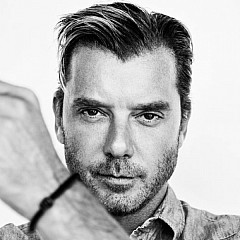
Gavin Rossdale of Bush

Gavin Rossdale of BushSongwriter Interviews

On the "schizoid element" of his lyrics, and a famous line from "Everything Zen."
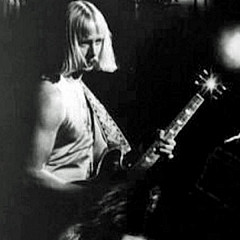
Kerry Livgren of Kansas

Kerry Livgren of KansasSongwriter Interviews

In this talk from the '80s, the Kansas frontman talks turning to God and writing "Dust In The Wind."
He Hit Me (And It Felt Like A Kiss): A History Of Abuse Pop

He Hit Me (And It Felt Like A Kiss): A History Of Abuse PopSong Writing

Songs that seem to glorify violence against women are often misinterpreted - but not always.

Petula Clark

Petula ClarkSongwriter Interviews

Petula talks about her hits "Downtown" and "Don't Sleep In The Subway," and explains her Michael Jackson connection.
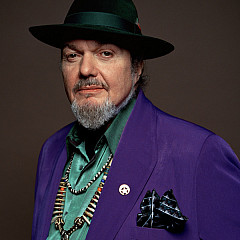
Dr. John

Dr. JohnSongwriter Interviews

The good doctor shares some candid insights on recording with Phil Spector and The Black Keys.