

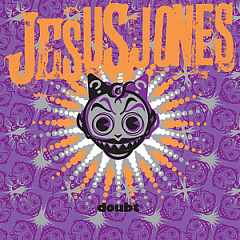
The Jesus Jones song "Right Here, Right Now" was conceived as an optimistic version of Prince's "Sign O' The Times."
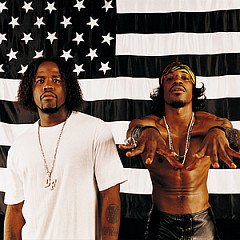
The "Ms. Jackson" in the OutKast song is Erykah Badu's mother. Andre 3000 had a child with Badu, and felt she was portraying him as a lousy dad.
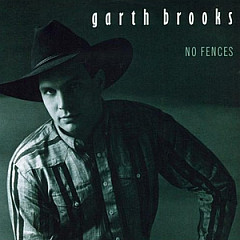
"Friends In Low Places" by Garth Brooks was written by two Nashville songwriters after a meal in a local restaurant. One of them forgot his money, but said not to worry, "I have friends in low places. I know the cook."
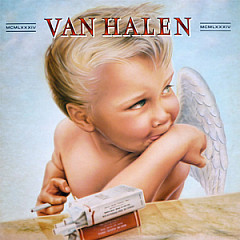
Van Halen's first #1 hit was "Jump," an unusual song for the band because the lead instrument was synthesizer, not guitar.
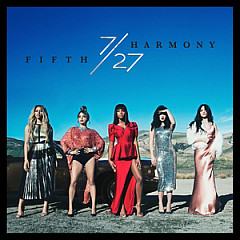
Fifth Harmony was going to call their song "Work," but they changed it to "Work from Home" when Rihanna released a song with that title.
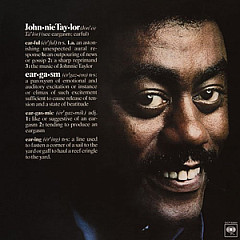
The first #1 hit with the word "disco" in the title wasn't a disco song. It was an R&B song called "Disco Lady" by Johnnie Taylor in 1976. The lady he's singing about is disco, but the song isn't.
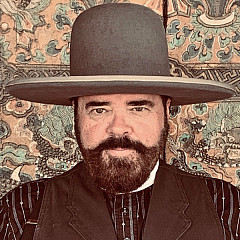
Andrew Farriss on writing with Michael Hutchence, the stories behind "Mystify" and other INXS hits, and his country-flavored debut solo album.
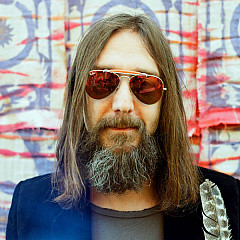
"Great songwriters don't necessarily have hit songs," says Chris. He's written a bunch, but his fans are more interested in the intricate jams.
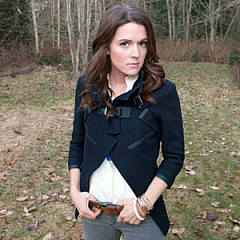
As a 5-year-old, Brandi was writing lyrics to instrumental versions lullabies. She still puts her heart into her songs, including the one Elton John sings on.
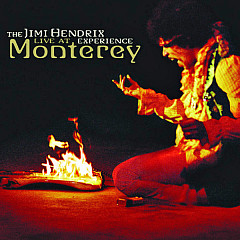
When you have a song called "Fire," it's tempting to set one - these guys did.

A top country songwriter, Barry talks about writing hits for Little Big Town, Tim McGraw and Jason Aldean.
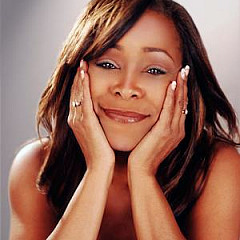
The original voice of Snap! this story is filled with angry drag queens, video impersonators and Chaka Khan.