
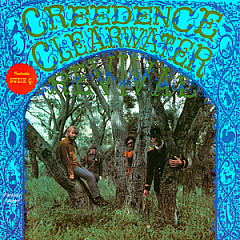
Creedence Clearwater Revival's first single was a cover of a rockabilly song called "Susie Q." When it became a hit, group leader John Fogerty went into a songwriting frenzy so they wouldn't be one-hit wonders, resulting in hits like "Proud Mary" and "Lodi."
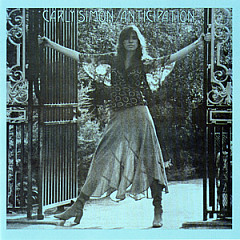
Carly Simon wrote "Anticipation" when Cat Stevens was late for their first date. She was "anticipating" his arrival and set down with her guitar to calm her nerves.
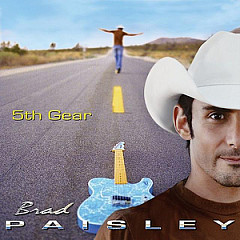
The video for Brad Paisley's "Online" is a mini-Seinfeld reunion, featuring Jason Alexander, Estelle Harris, and Patrick Warburton.
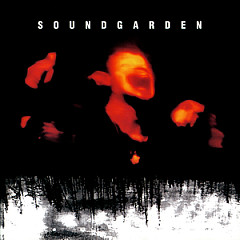
"Spoonman" by Soundgarden is about a real street performer in Seattle: Artis the Spoonman.
The very American song "What Made Milwaukee Famous" was never a big hit in the US, but Rod Stewart made it famous in the UK.
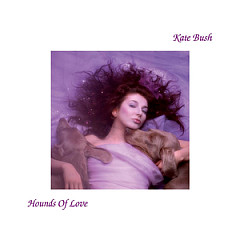
The Kate Bush song "Running Up That Hill" is about making a deal with God to switch lives with your partner so there would be no more misunderstandings.
As a 5-year-old, Brandi was writing lyrics to instrumental versions lullabies. She still puts her heart into her songs, including the one Elton John sings on.
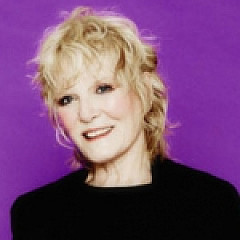
Petula talks about her hits "Downtown" and "Don't Sleep In The Subway," and explains her Michael Jackson connection.
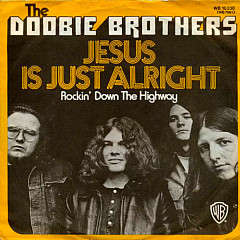
These overtly religious songs crossed over to the pop charts, despite resistance from fans, and in many cases, churches.
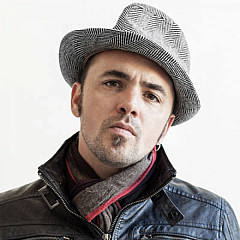
One of Canada's most popular and eclectic performers, Hawksley tells stories about his oldest songs, his plentiful side projects, and the ways that he keeps his songwriting fresh.
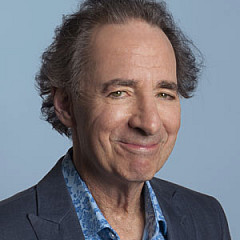
Harry is Derek Smalls in Spinal Tap, Mark Shubb in The Folksmen, and Mr. Burns on The Simpsons.
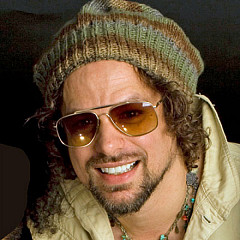
Michael tells the story of "Send Me On My Way," and explains why some of the words in the song don't have a literal meaning.