Re-Make/Re-Model

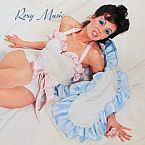
Album: Roxy Music (1972)
Play Video

Songfacts®:

  • The lyrics describe a man that likes the look of a woman but is afraid to approach her. Brian Eno and Andy Mackay's backing vocal chorus of "CPL 593H" is the number plate of the car in which the woman is riding. Bryan Ferry explained to Uncut magazine in January 2013 that he took inspiration for the hook from the actual number plate of a "very cool" Mini Clubman that he saw at the Reading festival.

    "I went with a friend and I was very attracted to this girl backstage who was wearing a fluffy jacket," he said. "I then saw her when we were driving home in the terrible slow queue to get out of the site, and she was in the car in front. And I memorized the number of the car. So it was a kind of cry in the wild... I never met her."
  • Former art student Ferry took inspiration for the title from Derek Boshier's 1962 painting Re-Think/Re-Entry. A pioneer of British pop art, Boshier went on to design the album covers for David Bowie's Lodger and Let's Dance.
  • This is guitarist Phil Manzanera's favorite track on Roxy Music's self-titled debut album. He told The Sun: "That sort of sums us up in a witty way with that ending, three chords, a lot of attack, a lot of enthusiasm."
  • "Re-Make/Re-Model" begins with the background ambiance of a cocktail party before launching into the song. "It seemed like a good idea to start our first album with a party scene, a kind of celebration," Bryan Ferry told The Guardian. "We used sound effects tapes and added our own voices to the party to make it more real."
  • The song concludes with every band member performing an instrumental solo, with some of them "quoting" from a famous piece of music. Graham Simpson references the bassline from "Daytripper," while Mackay imitates the brass section from "The Ride of the Valkyries." Having spent the entirety of the song playing lead guitar, Manzanera then uses his solo to strum the chords from Duane Eddy's cover of the "Peter Gunn Theme."
  • Roxy Music performed this song at the Royal College of Art in London in 1972. The performance was shot by the art students in attendance, with the footage later being used for Roxy Music's first promotional video.
  • Frank Black included a cover of "Re-Make/Re-Model" on 2000's Oddballs, a compilation album of rarities and outtakes recorded on a solo basis by the Pixies vocalist and guitarist between 1994 and 1997.
  • Ferry rerecorded this song alongside Roxy Music cuts "Sea Breezes," "2HB," and "Chance Meeting," with these smooth, R&B-inspired versions appearing on the frontman's third solo album, 1976's Let's Stick Together.

Comments: 1

  • Rabbi Meyer from Central WisconsinI find it interesting that for all his good looks and old world charm, Bryan Ferry wrote the best songs about love lost [Mother of Pearl, Sentimental Fool, Oh Yeah, End of the Line] or, in this case, never found.
see more comments

Editor's Picks

Gary Lewis

Gary LewisSongwriter Interviews

Gary Lewis and the Playboys had seven Top 10 hits despite competition from The Beatles. Gary talks about the hits, his famous father, and getting drafted.

Jack Tempchin - "Peaceful Easy Feeling"

Jack Tempchin - "Peaceful Easy Feeling"They're Playing My Song

When a waitress wouldn't take him home, Jack wrote what would become one of the Eagles most enduring hits.

Keith Reid of Procol Harum

Keith Reid of Procol HarumSongwriter Interviews

As Procol Harum's lyricist, Keith wrote the words to "A Whiter Shade Of Pale." We delve into that song and find out how you can form a band when you don't sing or play an instrument.

Richie Wise (Kiss producer, Dust)

Richie Wise (Kiss producer, Dust)Songwriter Interviews

Richie talks about producing the first two Kiss albums, recording "Brother Louie," and the newfound appreciation of his rock band, Dust.

Donald Fagen

Donald FagenSongwriter Interviews

Fagen talks about how the Steely Dan songwriting strategy has changed over the years, and explains why you don't hear many covers of their songs.

Don Dokken

Don DokkenSongwriter Interviews

Dokken frontman Don Dokken explains what broke up the band at the height of their success in the late '80s, and talks about the botched surgery that paralyzed his right arm.