Dirty Rosie

Album: Little Miss Twain (2026)
Play Video

Songfacts®:

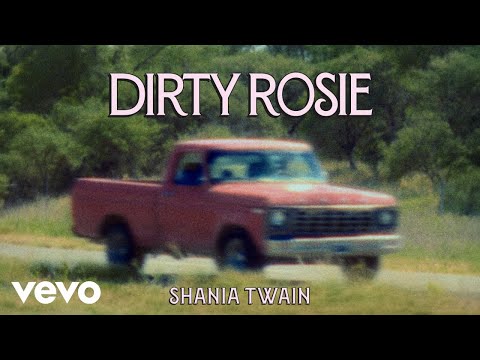
  • "Dirty Rosie" is Shania Twain's affectionate tribute to the battered pickup trucks of her Northern Ontario childhood. Written solely by Twain, the song turns her first faded-red work truck into a symbol of independence, hard work and knowing your own worth.
  • The inspiration came from Twain's upbringing. Before she was old enough to drive legally, she was already steering worn-out pickups along Northern Ontario logging roads. "Dirty trucks were the only kind of trucks we had, and they were always old and rickety, and we could not afford new ones," she told Absolute Country Radio. "I remember my dad's truck; it was a red truck, but it faded, of course, to a rosie color."
  • For Twain, "Dirty Rosie" was much more than transportation. "It represents a worker in me, rolling up your sleeves without abandoning your femininity at the same time," she explained.

    That blend of toughness and confidence runs throughout the song, where the truck becomes shorthand for self-respect in relationships: someone might drive her crazy, but they certainly aren't driving her pickup.

    Twain made that point during an appearance on The Pulse on SiriusXM, telling host Brady that if she owned a truck like Rosie today, "I would not let anyone else drive it. I would cherish it more than if I had, you know, a Corvette or something."

    It's a sentiment that lands as both a joke and the song's central message. Some people treasure luxury cars; Twain treasures the vehicle that taught her resilience, and probably a fair amount about basic suspension repair.
  • The song's car/truck imagery includes a nod to Prince's "Little Red Corvette."

    Hot, red, little Corvette
    Prince said
    "Girl, you better get it right"


    The reference places Rosie within a wider pop-culture garage.
  • "Dirty Rosie" was produced by American musician Zach Dawes, bassist for Mini Mansions and The Last Shadow Puppets, and a longtime collaborator of Lana Del Rey.
  • Shania Twain played the banjo on this track (wait... Shania Twain plays the banjo!). The other musicians are:

    Jay Bellerose: drums, percussion
    Freddie Washington: bass, backing vocals
    Tommy Brenneck: electric guitar, Hammond organ
    T Bone Burnett: electric guitar
    Jon Brion: electric guitar
    Kenneth Pattengale: acoustic guitar
    Luke Black: guitar, banjo, backing vocals
    Josiah Nelson: fiddle, backing vocals
    Drury Anderon: backing vocals
    Sam Wilson: backing vocals

    The presence of guitarists T Bone Burnett, Jon Brion, and Tommy Brenneck hints at the track's eclectic sound, blending roots rock, alt-country accents, and a touch of cinematic atmosphere. Twain's own banjo, along with Luke Black's banjo and fiddle contributions, keeps the song anchored in acoustic, country textures, even as the rhythm and hook lean toward pop.
  • "Dirty Rosie" was released on March 13, 2026, as the lead single from Little Miss Twain, ahead of the album's July 24 release. The album title reflects Twain's years singing in bars from the age of 8 and later performing late-night sets as a teenager to help support her family. Within that framework, "Dirty Rosie" functions as a kind of origin‑story vignette: the girl from the logging roads and snowy backwoods learning agency behind the wheel.

Comments

Be the first to comment...

Editor's Picks

Five Rockers Who Rolled With The Devil

Five Rockers Who Rolled With The DevilSong Writing

Just how much did these monsters of rock dabble in the occult?
Dave Edmunds

Dave EdmundsSongwriter Interviews

A renowned guitarist and rock revivalist, Dave took "I Hear You Knocking" to the top of the UK charts and was the first to record Elvis Costello's "Girls Talk."
History Of Rock

History Of RockSong Writing

An interview with Dr. John Covach, music professor at the University of Rochester whose free online courses have become wildly popular.

David Bowie Lyrics Quiz

David Bowie Lyrics QuizMusic Quiz

How well do you know your David Bowie lyrics? Take this quiz to find out.
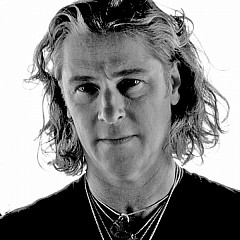
Ed Roland of Collective Soul

Ed Roland of Collective SoulSongwriter Interviews

The stories behind "Shine," "December," "The World I Know" and other Collective Soul hits.
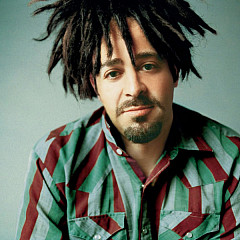
Adam Duritz of Counting Crows

Adam Duritz of Counting CrowsSongwriter Interviews

"Mr. Jones" took on new meaning when the song about a misguided view of fame made Adam famous.