A Change Would Do You Good

Album: Sheryl Crow (1996)
Charted: 8 19
Play Video

Songfacts®:

  • Crow wrote this with guitarist Jeff Trott and drummer Brian MacLeod during a six-month stay in New Orleans. The song juxtaposes an array of images to highlight what needs changing in someone's life.
  • In a Songfacts interview, Trott remembered digging into classic soul for inspiration: "We were trying to come up with something like the Staple Singers. Mavis Staples is one of those legendary soul singer/songwriters, and Sheryl and I have this affinity for those old soul songs, Motown, stuff like that. We're always trying to find those rare, rare songs for inspiration."
  • The trio came up with so many lyric ideas that they decided to throw them all in a hat and draw them out, leading to a string of non-sequiturs that tie the song together. Trott said: "Sheryl just picked them out randomly and put them on a piece of paper, and we all read them. We all thought, 'Whoa, this actually makes sense, even though it's so oblique and completely abstract.' So, we put this thing together and tried to keep the order pretty close, just swapping a couple of the lines to make more sense."
  • So, a change would do who good? According to Trott, the first verse is about producer Bill Bottrell, who walked out on the making of the album. While the lyrics are biting, Trott says it was all in fun. "She had a little bit of resentment towards him, but not in a harsh way, but in a playful kind of way."

    He's a platinum canary, drinkin' Falstaff beer
    Mercedes Ruehl, and a rented Lear
    Bottom feeder insincere
    Prophet lo-fi pioneer


    The above lyrics are often misquotes, but Trott confirmed they indeed reference Mercedes Ruehl. The Academy Award-winning actress also starred in the 1999 thriller The Minus Man, in which Crow made her debut film appearance.

    The second verse was partly inspired by Madonna "and a few other people":

    Canine, feline, Jekyll and Hyde
    Wear your fake fur on the inside
    Queen of south beach, aging blues
    Dinner's at six, wear your cement shoes
    I thought you were singing your heart out to me
    Your lips were syncing and now I see


    Things weren't as dismal as they sound for the Material Girl. Around this time, she was beginning to soften her sexy image as she approached her 40s. 1996 saw her acclaimed performance in the film Evita and the birth of her first child.

    After some convincing, Crow agreed to make the last verse about herself:

    I've been thinking 'bout catching a train
    Leave my phone machine by the radar range
    Hello it's me, I'm not at home
    If you'd like to reach me, leave me alone
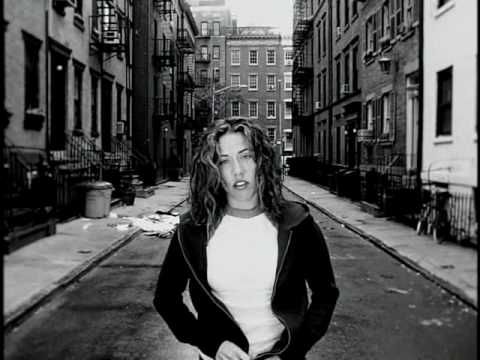
  • Three music videos were made. The first, a black-and-white clip directed by Crow and Lance Acord, shows the singer both performing out on the street and tossing her belongings out of a window in the background.

    The star-studded second video, directed by Michel Gondry, has Crow magically manipulating characters' lives, loosely inspired by the classic sitcom Bewitched. Cameos include Mary Lynn Rajskub, Heather Matarazzo, Jeff Garlin, Ellen DeGeneres, Molly Shannon, Andy Dick and Toby Huss.

    The third video consists of footage from a live VH1 performance.
  • This was covered by Dean Geyer and Lea Michele on the 2012 Glee episode "Makeover."
  • This was featured on the TV series Sex and the City in the 2000 episode "Politically Erect."

Comments: 1

  • Angelus from Dc, Nashvegas I easily could tell that the second verse was about Madonna but thought the first verse was about David Crosby and the third verse was about David Duchovny
see more comments

Editor's Picks

Tommy James

Tommy JamesSongwriter Interviews

"Mony Mony," "Crimson and Clover," "Draggin' The Line"... the hits kept coming for Tommy James, and in a plot line fit for a movie, his record company was controlled by the mafia.

Steely Dan

Steely DanFact or Fiction

Did they really trade their guitarist to The Doobie Brothers? Are they named after something naughty? And what's up with the band name?

David Gray

David GraySongwriter Interviews

David Gray explains the significance of the word "Babylon," and talks about how songs are a form of active imagination, with lyrics that reveal what's inside us.

JJ Burnel of The Stranglers

JJ Burnel of The StranglersSongwriter Interviews

JJ talks about The Stranglers' signature sound - keyboard and bass - which isn't your typical strain of punk rock.

Tim McIlrath of Rise Against

Tim McIlrath of Rise AgainstSongwriter Interviews

Rise Against frontman Tim McIlrath explains the meanings behind some of their biggest songs and names the sci-fi books that have influenced him.

George Clinton

George ClintonSongwriter Interviews

When you free your mind, your ass may follow, but you have to make sure someone else doesn't program it while it's wide open.