Mandinka

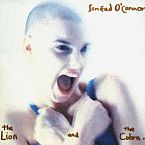
Album: The Lion and the Cobra (1987)
Charted: 17
Play Video

Songfacts®:

  • Mandinka is a West African tribe with rich musical traditions. In the song, Sinéad O'Connor feels a kinship with these people, singing, "I do know Mandinka."
  • The song was inspired by the miniseries Roots, based on the book by Alex Haley. The series ran in 1977 and drew a huge audience (this was before cable). Set in the 1700s, it follows an African man named Kunta Kinte (played by LeVar Burton) as he is captured and sold into slavery.

    "I was a young girl when I saw it, and it moved something so deeply in me, I had a visceral response," O'Connor wrote in her memoir Rememberings. "I came to emotionally identify with the civil rights movement and slavery, especially given the theocracy I lived in and the oppression in my own home."
  • O'Connor doesn't rate herself highly as a guitarist, but she was proud of her playing on this track. "'Mandinka' was also a breakthrough for me musically," she wrote. "The recording was the first time I had the courage to play guitar properly."
  • Following "Troy," "Mandinka" was the second single from O'Connor's first album, The Lion And The Cobra. The album earned her a great deal of acclaim and put up respectable sales numbers. After it was released, she toured as the opening act for INXS with a band that included Andy Rourke (bass) and Mike Joyce (drums) of The Smiths. Buzz built for her next album, I Do Not Want What I Haven't Got, and when it was released in 1990 it took off thanks to the runaway hit "Nothing Compares 2 U."

    Musicians will often look back on their breakout hit as both a blessing and a curse, and for O'Connor, the curse portion was intense. The sudden adulation and attention exacerbated her mental health issues at a time when unusual behavior was stigmatized, especially in women in the public eye. While many artists at this stage would be thinking of how they could create their next hit, O'Connor was thinking about what kind of statement she wanted to make and how she could use her voice. She turned herself into a protest singer, famously boycotting the Grammy Awards and tearing up a photo of the Pope on live TV. She spoke out against racism, domestic abuse, and materialism, earning respect from many fans but scorn from others. Throughout her life, she fought to maintain her sanity, sometimes quite publicly. In 2020 she was the subject of an intervention on the Dr. Phil show.
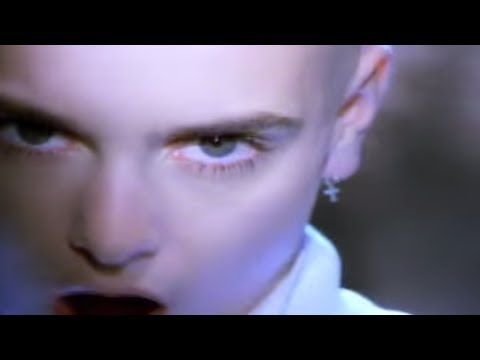
  • The music video was directed by John Maybury, who did all her early videos, including "Nothing Compares 2 U." Even then, O'Connor was shaving her head, which made her less conventionally beautiful but far more unusual - when she came on the screen, you noticed.

    She was just 20 years old when The Lion And The Cobra was released, and while she didn't have hair, she did have a baby. The first of her four children, a son named Jake, was born a few weeks before the album was issued.
  • O'Connor performed "Mandinka" at the Grammy Awards in 1989, where The Lion And The Cobra was nominated for Best Rock Vocal Performance, Female. She showed up to the ceremony with the Public Enemy logo painted into the side of her head to show support for the group, which along with other hip-hop acts, were boycotting because the inaugural Best Rap Performance award wasn't televised.

    Two years later when she was nominated for four awards, she also boycotted the show.
  • O'Connor showed up on national TV in America for the first time when she performed this song on Late Night With David Letterman in 1988.

Comments: 7

  • Lauren Johnson from AustraliaIt is apparent that Sinead found her soul at a very young age and through her convictions she enlightened the world, That strength of character battered by the mainstream and so bravely upheld in all its earthly forms via her talents is for me what is so incredible about this woman, we have lost a champion of modern humanity. One that lit a flame of compassion, justice and understanding That can never be forgotten or denied. RIP Angel
  • Rory from BelfastSinéad O'Connor dragged Ireland, kicking and screaming, out of the clutches of the Roman Catholic Church and those who oppressed anyone with anything to say against State or Church. She made Ireland a place where people could be themselves without fear of being blanked. She was a beacon to all who believed in life for life's sake, to be lived openly and unashamed. "I feel no pain/I feel no shame" summed up her free spirit that was held back and overshadowed by abuse, both physical and mental, hurled down from those who were supposed to love and protect her.
    She, and she alone, saved Ireland from itself.
    While being no saint of any proportion, she still held a mirror up to those who would criticise and derogate, showing them that they had no place to hide. Even the pope had no safe place, facing her righteous indignation at the religious failings of "the church" in its supposed obligation of protection of the vulnerable. She shone a light on child abuse by priests a long time before any of us knew anything of it.
    She certainly had many personal issues throughout her life, mainly mental issues that surfaced in cries for help when she attempted suicide, when she lost her son, Shane, when she became a priest of the Tridentine Church, theologically opposed to the Roman Catholic Church, and, while nit a mental issue, she finally converted to Islam.
    Sinéad O'Connor was a body, searching for a soul her whole life, and she found that soul, eventually, when she passed.
    We have lost a loud and proud voice, but heaven has found a new angel.
  • Niamh from Concrete'... while she didn't have hair, she did have a baby.' Is this non sequitur an indictment of failure to self-sexualize for extrinsic validation by her rapists, her molesters, and millions of strangers? that rejecting the male gaze belies mental defect? or simply lazy writing? Sinéad first cut her hair to curtail her abusive mother's denigration of her sister. Sinead's light shown upon hypocrisy, exploitation, and Othering before she defeated Big Music's attempts to make her pretty for profit. The reductive moniker of "protest singer" overlooks the sociopolitical sophistication of herself, Woodie Guthrie, Billy Bragg, U2, NWA, and myriad others.
  • Roj from IrelandSleep well, Sinéad :(
  • Biff from Cincinnati, OhI saw her perform this song on LN with David Letterman in 1987; from that I went out to get it on tape (it was the 80s) for a roadtrip. Turns out that was her first national tv appearance in the US.
  • Mike from Santa Barbara, CaThis single was O'Connor's breakout hit.
  • Anne from New Brunswick, NjOne of my favorite songs of all time.
see more comments

Editor's Picks

Trans Soul Rebels: Songs About Transgenderism

Trans Soul Rebels: Songs About TransgenderismSong Writing

A history of songs dealing with transgender issues, featuring Pink Floyd, David Bowie, Morrissey and Green Day.

Melanie

MelanieSongwriter Interviews

The singer-songwriter Melanie talks about her spiritual awakening at Woodstock, "Brand New Key," and why songwriting is an art, not a craft.

90210 to Buffy to Glee: How Songs Transformed TV

90210 to Buffy to Glee: How Songs Transformed TVSong Writing

Shows like Dawson's Creek, Grey's Anatomy and Buffy the Vampire Slayer changed the way songs were heard on TV, and produced some hits in the process.

Robert DeLeo of Stone Temple Pilots

Robert DeLeo of Stone Temple PilotsSongwriter Interviews

Stone Temple Pilots bass player Robert DeLeo names the songs that have most connected with fans and tells the stories behind tracks from their Tiny Music album.

Matthew Wilder - "Break My Stride"

Matthew Wilder - "Break My Stride"They're Playing My Song

Wilder's hit "Break My Stride" had an unlikely inspiration: a famous record mogul who rejected it.

David Sancious

David SanciousSongwriter Interviews

Keyboard great David Sancious talks about his work with Sting, Seal, Springsteen, Clapton and Aretha, and explains what quantum physics has to do with making music.