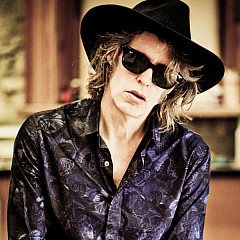
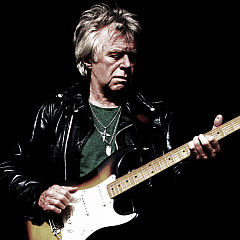
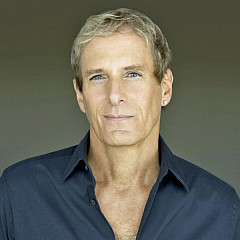
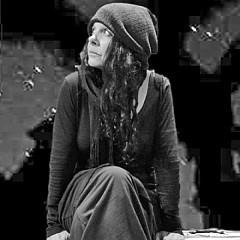
1988-2000, 2006-Billy CorganGuitar, vocals
James IhaGuitar1988-2000, 2018-
D'arcy WretzkyBass1988-2000
Jimmy ChamberlinDrums1988-1996, 2015-
Melissa Auf Der MaurBass1999-2000
Matt WalkerDrums1996-2000
Jeff SchroederGuitar, keyboard2006-2023
Billy Corgan and James Iha formed The Smashing Pumpkins in 1988. The two met at a used record shop in Chicago where Corgan worked. D'arcy Wretzky joined after meeting Corgan outside a bar and getting into an argument over the band The Dan Reed Network. They began playing as a three-piece with a drum machine until Jimmy Chamberlin was found through a classified ad.
They started playing gigs around Chicago in 1988, and by the end of the year they were opening shows for Jane's Addiction. By 1994 they were one of the biggest bands in rock; that year they headlined Lollapalooza, the festival organized by Perry Farrell of Jane's Addiction.
Billy Corgan is the group's leader and the only member of every lineup. Known as a perfectionist, he's the main songwriter and musical visionary. On their first two albums, he played most of the bass and guitar parts himself in addition to handling vocals.
On July 12, 1996, during the tour for Mellon Collie And The Infinite Sadness, touring keyboardist Jonathan Melvoin died of a heroin overdose. He was with Chamberlin, who also overdosed but survived. Chamberlin was subsequently fired and replaced by Matt Walker of Filter. Dennis Flemion of The Frogs replaced Melvoin.
To promote their 1998 album Adore, the Pumpkins tried to play a series of free concerts but were denied by local governments everywhere except Minneapolis, where they played a downtown outdoor concert to an estimated 125,000 people on July 17, 1998. The mayor declared it "Smashing Pumpkins day." Subsequent shows on their tour were ticketed but mostly turned into benefit concerts.
Their 1995 double album Mellon Collie And The Infinite Sadness has a unifying theme, addressing, as Corgan said, "the general negativity, malaise, and nihilism that permeates the world right now."
Their 2000 album Machina: The Machines Of God was planned as a full-blown concept album but scaled back when D'arcy Wretzky left the band.
They wanted to post their 2000 album Machina II: The Friends and Enemies of Modern Music for free on the internet, but legal issues prevented that. They got around it by pressing just 25 copies of the album that were given to fans with instructions to distribute them on the web for all to enjoy.
Corgan briefly dated Courtney Love in 1991 before she started her relationship with Kurt Cobain. She and Corgan have maintained a volatile friendship over the years.
James Iha and D'Arcy Wretzky were a couple in the early years of the band and were able to maintain a professional relationship after. In 1995 they formed a record label called Scratchie Records.
They broke up in 2000, with Corgan saying they had come to the end of the road "emotionally, spiritually, musically." He and Chamberlin formed the band Zwan, which broke up in 2003 (Corgan says he "detests" the other members of Zwan and they will never get back together). In 2006 Corgan reunited Smashing Pumpkins; the following year they released another album and resumed touring.
After Smashing Pumpkins broke up in 2000, Corgan went at least four years without playing one of their songs. When he finally did, it was a performance of "
Today" for some fans in Paris in 2005.
Melissa Auf Der Maur from the band Hole was the bass player in Smashing Pumpkins from 1999-2000. She replaced their original bass player, D'arcy Wretzky, who was battling drug problems.
The band appeared in a season 7 episode of The Simpsons called "Homerpalooza." After being shot in the stomach with a cannon, Homer gets a spot on the festival and befriends the band.
Corgan's mother, Martha, died from cancer in December 1996, five months after she was diagnosed. The song "
For Martha," from their album
Adore, was written in her memory. Corgan named his label Martha's Music after her as well.
James Iha released a solo album in 1998 called Let It Come Down. Corgan released his first solo album, TheFutureEmbrace, in 2005.
The band's name doesn't mean breaking pumpkins by force; "Smashing" in this case is an adjective, not a verb, so it is smashing as in "fantastic." The moniker was, according to D'arcy, a bad joke that Billy Corgan came up with.
Their debut album, Gish, was released in May 1991, four months before Nirvana issued Nevermind. The bands were often compared, and they shared a producer: Butch Vig co-produced Gish with Billy Corgan and was the producer on Nevermind. Nirvana used a different producer (Steve Albini) for their next album, but Vig returned to co-produce the next Smashing Pumpkins album, Siamese Dream.
Corgan has a big purple birthmark on his left hand that goes up his arm. Before forming Smashing Pumpkins, he was in a band called The Marked; their name was chosen because their drummer also had a prominent birthmark.
Corgan has performed in the guise of characters, starting with a 1993 show at Brixton Academy in London when he dressed like a clown for the encore. In 1996 he started appearing as "Zero," wearing silver pants and a shirt emblazoned with the character's name. This is also when he shaved his head.
Billy Corgan's parents divorced when he was young. His mother Martha gave up custody of Billy and his brother Ricky to their father, Bill, but their stepmother, Penelope, usually took care of them. Bill and Penelope had an autistic son named Jesse that Billy often cared for. When Bill and Penelope divorced, Penelope took all three kids, remarried, and had another son named Andrew.
"You're being raised by your stepmother when both your natural parents live within 45 minutes of you," Corgan said in Q magazine. "They don't want you: any child would view it that way, though I did see my mother every couple of weeks and I understand more of the particulars now."
Billy Corgan fell into despair after the band finished touring in 1992. Depressed and stricken with writer's block, he thought about ending his life but instead turned his misery into the song "
Today."
"Being in public during that period in my life brought out a lot of feelings that I had repressed from childhood, this weird abused-child syndrome where I locked everything away and figured I'd never have to deal with it again," he said on VH1's
Storytellers. "Suddenly I found myself confronted with all these demons I thought I locked away. I entered into this very horrible period of my life. I lived in a parking garage for a while, and I was completely obsessed with killing myself - it became my primary preoccupation. Out of the depths of this despair I bottomed out, and it came down to a simple decision in my mind: either kill yourself or get used to it - work and live and be happy. So I wrote this song at this critical juncture of my life."