New Feeling

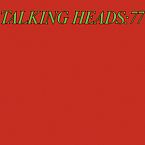
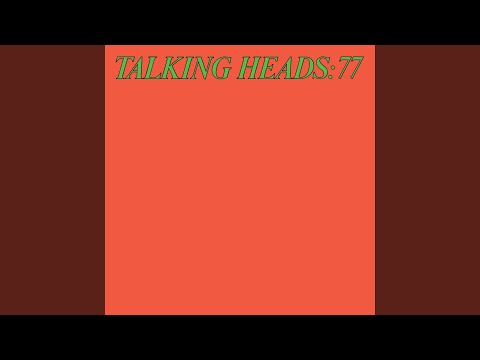
Album: Talking Heads '77 (1977)
Play Video

Songfacts®:

  • "New Feeling" is the second track on Talking Heads: 77, the band's debut album. It isn't as ominously memorable as "Psycho Killer," nor as twitchily celebratory as their later, gospel-wired cover of "Take Me To The River," but it quietly establishes the David Byrne persona: observant, slightly overwhelmed, and perpetually uncertain whether the modern world is fascinating or just standing far too close.
  • The song is known for its stiff, jerky rhythm and David Byrne's distinctive, high-strung vocal delivery. "That was an early one," Byrne told Uncut magazine. "Musically, I was trying to meld some of the things that I had been listening to over the years. I wanted to mix Captain Beefheart with James Brown - jagged, but also frankly, in a very white guy kind of way. I thought, 'Oh, this is good. This is who we are, this is who I am, this mixture of things.' It was trying to meld things that had never been put together before, but that was our record collection."
  • Lyrically, Byrne describes a state of heightened social awareness: visiting friends, speaking loudly just to be understood, sensing that everyone is suddenly "up in my room." It captures the effort involved in simply being present and comprehensible. Like much of Talking Heads' early work, it treats communication as a strenuous, occasionally baffling activity.

    "The lyrics were very straightforward, trying to avoid any clichés and just saying what was going through my head," Byrne told Uncut.
  • When he wrote this song, David Byrne was deeply introverted and withdrawn. Songwriting became a way to say what conversation could not. "Those struggles, those anxieties and trepidations, you could put it in a song," he said. "And surprisingly, other people seem to identify with it too."
  • The title doesn't appear in the lyrics, but it's reflected in the opening line.

    It's not yesterday anymore

    The lyric signals a quiet reset: new day, new feeling. Across Talking Heads songs, time often fills this role: "Once In A Lifetime" turns it into an ambush, and "Road To Nowhere" turns forward motion into the whole point. In "New Feeling," that optimism is fragile but real: yesterday is gone, and in the band's world, time may not heal everything, but it does change the scenery just enough to make living with yourself possible again.
  • There are three notable versions of "New Feeling":

    The Talking Heads: 77 studio version is lean and precise, driven by interlocking guitars, Tina Weymouth's melodic, quietly assertive bassline, and Chris Frantz' unexpected use of steel pans. It's an early hint of the rhythmic curiosity that would later bloom on their 1980 album Remain in Light.

    The live version, which opens the 1982 album The Name of This Band Is Talking Heads (recorded November 17, 1977, for WCOZ radio in Maynard, Massachusetts), is faster, sharper, and more confrontational. Byrne famously plays bells during the bridge, a gesture that feels part performance art, part nervous tick.

    Finally, the Alternate Pop Version, released on the 2024 Talking Heads: 77 (Super Deluxe Edition), adds a horn section in an arrangement associated with Lance Quinn, pushing the song toward a Stax-style soul sound. It's fascinating and telling: the band ultimately went with the stripped-down album mix that better matches the taut minimalism that became their signature, implying that this more overt soul direction, while intriguing, didn't feel quite like them.

Comments

Be the first to comment...

Editor's Picks

Holly Knight ("The Best," "Love Is A Battlefield")

Holly Knight ("The Best," "Love Is A Battlefield")Songwriter Interviews

Holly Knight talks about some of the hit songs she wrote, including "The Warrior," "Never" and "The Best," and explains some songwriting philosophy, including how to think of a bridge.

Maxi Priest

Maxi PriestSongwriter Interviews

The British reggae legend tells the story of his #1 hit "Close To You," talks about his groundbreaking Shabba Ranks collaboration "Housecall," and discusses his latest project with Robin Trower.

Paul Stanley of Kiss, Soul Station

Paul Stanley of Kiss, Soul StationSongwriter Interviews

Paul Stanley on his soul music project, the Kiss songs with the biggest soul influence, and the non-make-up era of the band.

Second Wind Songs

Second Wind SongsSong Writing

Some songs get a second life when they find a new audience through a movie, commercial, TV show, or even the Internet.

Bob Daisley

Bob DaisleySongwriter Interviews

Bob was the bass player and lyricist for the first two Ozzy Osbourne albums. Here's how he wrote songs like "Crazy Train" and "Mr. Crowley" with Ozzy and Randy Rhoads.

Devo

DevoSongwriter Interviews

Devo founders Mark Mothersbaugh and Jerry Casale take us into their world of subversive performance art. They may be right about the De-Evoloution thing.