Badman's Song

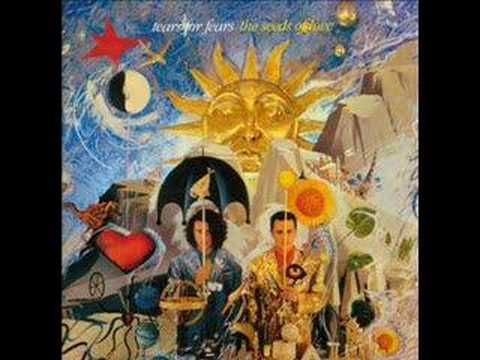
Album: The Seeds Of Love (1989)
Play Video

Songfacts®:

  • Roland Orzabal of Tears For Fears wrote this during the band's 1985 world tour after he inadvertently eavesdropped on the band's crew members trash talking him. "We were on tour in America and we'd just played Denver Red Rocks, where U2 did their 'Under A Blood Red Sky' video," he explained. "We went back to the hotel. Now, generally we book a party room where everyone piles off to do whatever they do. And it just so happened that night that the party room was next to mine. About three in the morning I couldn't sleep because of the noise and I was getting really f--ked off. I was gonna ring 'em up and tell 'em to shut up. So just to make sure it was that room - cos I didn't want to hassle anyone who might not be involved - I put my ear to the wall and heard f--king Roland this, f--king Roland that. Basically it was certain members of the crew bitching about the band with our management.

    They were pouring out their hearts. It had been a difficult tour, with loads of pressures, but this was incredible. All this stuff that I had no idea about was coming out in torrents - that's what it means in the song when I sing: 'Here's to the boys back in 628 where an ear to the wall was a twist of fate.'"
  • This is a duet between Orzabal and soul singer Oleta Adams, who also performs on "Woman In Chains." Orzabal didn't originally envision the song as a duet, but reworked it after he found out Adams agreed to sing on the album.
  • Orzabal and his bandmate Curt Smith were meticulous during the editing and mixing process for the album, taking 18 months to perfect the tracks. On this song alone, they spend 15 days editing the drums, which were performed by French session musician Manu Katche. Orzabal explained in the album's liner notes: "I have two Mitsubishi machines and you put on the tapes of the different versions that came out of the sessions, listen to what Manu plays, pick out the very best bits and try to make them all work together."
  • This was originally called "The Bad Man Song."
  • Oleta Adams also played piano on the track. Other outside musicians who played on it were:

    Pino Palladino - bass
    Manu Katché - drums
    Carole Steele - percussion
    Robbie McIntosh - guitar
    Simon Clark - synthesizer

    Roland Orzabal and Curt Smith joked that they did very little on The Seeds Of Love album, saying they were "just good casting agents."

Comments: 4

  • Rob from BostonTruly one of the best songs period but certainly in the top 5 TFF songs. The only other songs that come close IMO are from the Raoul and Kings of Spain album.
  • Erik Eikens from Amsterdam (of Course!)Simply & Truly, the Best Song Ever Made. Per-fect. For ALL moods.
  • Angela Smith from IrelandJust discovered this song today and blown away by it. Amazing vocals and musicianship.
  • Christopher from Melbourne FloridaLoved the soulful vocals of Oleta and her piano style. Roland really sings about heartfelt songs!
see more comments

Editor's Picks

Dwight Twilley

Dwight TwilleySongwriter Interviews

Since his debut single "I'm On Fire" in 1975, Dwight has been providing Spinal-Tap moments and misadventure.

Lita Ford

Lita FordSongwriter Interviews

Lita talks about how they wrote songs in The Runaways, and how she feels about her biggest hit being written by somebody else.

Best Band Logos

Best Band LogosSong Writing

Queen, Phish and The Stones are among our picks for the best band logos. Here are their histories and a design analysis from an expert.

Jimmy Jam

Jimmy JamSongwriter Interviews

The powerhouse producer behind Janet Jackson's hits talks about his Boyz II Men ballads and regrouping The Time.

Charlie Benante of Anthrax

Charlie Benante of AnthraxSongwriter Interviews

The drummer for Anthrax is also a key songwriter. He explains how the group puts their songs together and tells the stories behind some of their classics.

Adam Young of Owl City

Adam Young of Owl CitySongwriter Interviews

Is Owl City on a quest for another hit like "Fireflies?" Adam answers that question and explains the influences behind many others.