(The System of) Dr. Tarr and Professor Fether

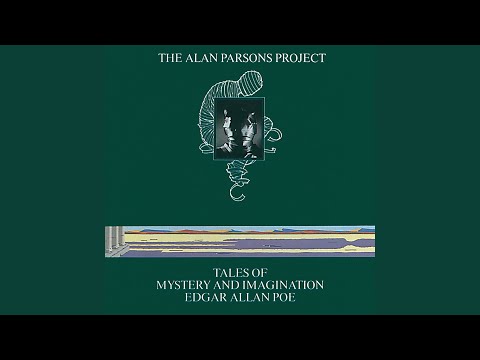
Album: Tales Of Mystery And Imagination (1976)
Play Video

Songfacts®:

  • Tales of Mystery and Imagination is a concept album based on short stories by Edgar Allan Poe. "(The System of) Dr. Tarr and Professor Fether" is no different, but it takes a different approach than the other tracks.

    Poe's The System of Doctor Tarr and Professor Fether is about a man who visits an insane asylum and discovers that the inmates have taken over. He thinks he's talking to hospital staff until, during dinner, he realizes that he's been talking to the patients the whole time. The former head of the hospital has gone mad himself and is part of the crazy crew. Not only have the rest of the staff been imprisoned, but they've been tarred and feathered - a fate that's foreshadowed in the tale's title (Dr. Tarr and Professor Fether).

    Tarring and feathering was a common form of punishment in Europe and the United States in the mid-to-late 1700s. Mobs would strip people down, cover them in wood tar, and dump feathers onto the tar. Not only was this humiliating but also physically painful, especially when hot tar was used.
  • All the other songs on Tales of Mystery and Imagination are either instrumentals or direct lyrical retellings of Poe's stories. In this one, The Alan Parsons Project instead focuses on the tar-and-feather method of mental-health care, speaking to us as an inmate that's trying to convince us to give the method a try.

    Just what you need to make you feel better
    Just what you need to make you feel
    Just what you need to make you feel better
    Just what you need to make you feel
  • UK guitarist John Miles (1949-2021), remembered best for his 1976 hit "Music," sings lead on this track. He also sang on "The Cask Of Amontillado," which immediately precedes "(The System of) Dr. Tarr and Professor Fether" on the album's track list. Recording for Tales of Mystery and Imagination started in July 1975 and stretched to January 1976. In between (November-December 1975), Parsons produced and engineered Miles' Rebel album (on which "Music" appears).

    Jack Harris backs Miles on vocals. Harris was a Project mainstay and also backed up Arthur Brown (known for "Fire") on "The Tell-Tale Heart," the third track on Tales of Mystery and Imagination.
  • Parsons released "(The System of) Dr. Tarr and Professor Fether" as the second single off Tales of Mystery and Imagination, following "The Raven." It peaked at #37 on US chart, making it the album's best-performing single. It also hit #62 in Canada.
  • Parsons' 1987 remix of Tales of Mystery and Imagination adds a cathedral organ to this song.

Comments

Be the first to comment...

Editor's Picks

Tommy James

Tommy JamesSongwriter Interviews

"Mony Mony," "Crimson and Clover," "Draggin' The Line"... the hits kept coming for Tommy James, and in a plot line fit for a movie, his record company was controlled by the mafia.

Steely Dan

Steely DanFact or Fiction

Did they really trade their guitarist to The Doobie Brothers? Are they named after something naughty? And what's up with the band name?

David Gray

David GraySongwriter Interviews

David Gray explains the significance of the word "Babylon," and talks about how songs are a form of active imagination, with lyrics that reveal what's inside us.

JJ Burnel of The Stranglers

JJ Burnel of The StranglersSongwriter Interviews

JJ talks about The Stranglers' signature sound - keyboard and bass - which isn't your typical strain of punk rock.

Tim McIlrath of Rise Against

Tim McIlrath of Rise AgainstSongwriter Interviews

Rise Against frontman Tim McIlrath explains the meanings behind some of their biggest songs and names the sci-fi books that have influenced him.

George Clinton

George ClintonSongwriter Interviews

When you free your mind, your ass may follow, but you have to make sure someone else doesn't program it while it's wide open.