Rain In The Summertime

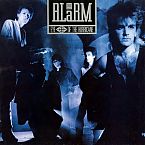
Album: Eye Of The Hurricane (1987)
Charted: 18 71
Play Video

Songfacts®:

  • Rain in the summertime can provide welcome relief from the blistering sun. The song deals with the internal struggles The Alarm were facing. They had great expectations after releasing their first EP in 1983 and touring with U2, but over the next few years they couldn't chase down a hit and found themselves in rough financial waters, leading to tension in the group. Two of the four members - lead singer Mike Peters and bassist Eddie Macdonald - wrote most of the songs, leaving guitarist Dave Sharp and drummer Nigel Twist without those royalties (U2 split songwriting credits evenly among the band). When they convened to work on their third album, Eye Of The Hurricane, Sharp and Twist wanted to change this dynamic, but most of the songs remained Peters/Macdonald compositions.

    "Rain In The Summertime" was the last song they wrote for the album, and they did it as a band. "We had a huge battle and it tore us apart," Peters told Songfacts. "To get to the end of the record and have that song, it felt like we'd weathered a massive storm. We'd come through the eye of the hurricane, and here was the rain at the end of this intense period just to wash away all the ill feeling and bad experiences that we had, to bring us together."

    The Alarm got a second wind and ended up recording two more albums before disbanding in 1991.
  • The Alarm recorded the Eye Of The Hurricane album with producer John Porter, known for his work with The Smiths. The band had also the songs they thought they needed demoed when they started working with him, but before they started recording, Porter asked if they had any other material. Mike Peters had something on tape that he played the producer.

    "It was a bit of a jam and it lasted for about 20 minutes," Peters said in his Songfacts interview. "I played it for John, and he said, 'There's something in that. Leave it with me.' In his producer's suite, he had original Otari computers that came into music-making in the mid-'80s. And he laid out the song arrangement from the best parts of the tape. All of a sudden, he had me singing a guide vocal in the studio, and I thought, 'Wow, this is something really special here!'"
  • The single was released in October 1987, which was unfortunate timing considering the subject matter. It reached its peak position of #71 in the US in January 1988.
  • According to Mike Peters, the key lines in this song are:

    If I run fast enough
    I can leave all the pain and the sadness behind


    "That's really what that song is trying to communicate," he says.

Comments

Be the first to comment...

Editor's Picks

Elton John

Elton JohnFact or Fiction

Does he have beef with Gaga? Is he Sean Lennon's godfather? See if you can tell fact from fiction in the Elton John edition.

Why Does Everybody Hate Nu-Metal? Your Metal Questions Answered

Why Does Everybody Hate Nu-Metal? Your Metal Questions AnsweredSong Writing

10 Questions for the author of Precious Metal: Decibel Presents the Stories Behind 25 Extreme Metal Masterpieces

Rick Astley

Rick AstleySongwriter Interviews

Rick Astley on "Never Gonna Give You Up," "Cry For Help," and his remarkable resurgence that gave him another #1 UK album.

Band Names

Band NamesFact or Fiction

Was "Pearl" Eddie Vedder's grandmother, and did she really make a hallucinogenic jam? Did Journey have a contest to name the group? And what does KISS stand for anyway?

90s Music Quiz 1

90s Music Quiz 1Music Quiz

First question: Michael Jordan and Magic Johnson appeared in videos for what artist?

Mick Jones of Foreigner

Mick Jones of ForeignerSongwriter Interviews

Foreigner's songwriter/guitarist tells the stories behind the songs "Juke Box Hero," "I Want To Know What Love Is," and many more.