
Adele isn't a ghost when she sings, "Hello from the other side" - it means the "other side of becoming an adult."
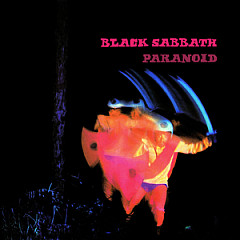
"Paranoid" reflects a feeling Black Sabbath bass player Geezer Butler often felt after using drugs.
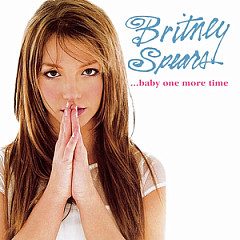
"Baby One More Time," the breakout song for Britney Spears, was originally offered to TLC but they passed on it. The R&B trio didn't feel comfortable singing the line, "hit me baby one more time."
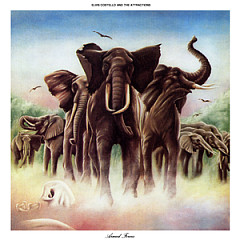
"(What's So Funny 'Bout) Peace, Love, and Understanding" was written by Nick Lowe in 1974. The original version with his group Brinsley Schwarz was kind of somber, but Elvis Costello made it a classic with his 1978 uptempo take.
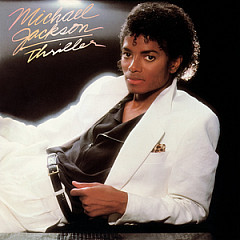
"Wanna Be Startin' Somethin'" was Michael Jaskson's attack on the tabloid press: "They eat off of you, you're a vegetable."

Did Rivers Cuomo grow up on a commune? Why did they name their albums after colors? See how well you know your Weezer in this Fact or Fiction.
First question: Michael Jordan and Magic Johnson appeared in videos for what artist?

Kristian talks songwriting technique, like how the chorus should redefine the story, and how to write a song backwards.
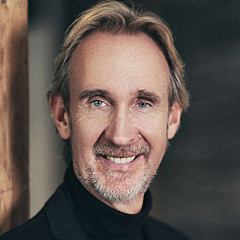
Mike Rutherford talks about the "Silent Running" storyline and "Land Of Confusion" in the age of Trump.
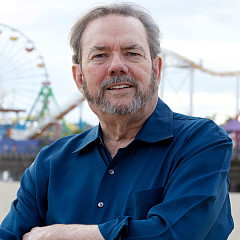
Webb talks about his classic songs "By the Time I Get to Phoenix," "Wichita Lineman" and "MacArthur Park."
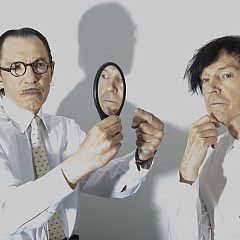
The men of Sparks on their album Hippopotamus, and how Morrissey handled it when they suggested he lighten up.