
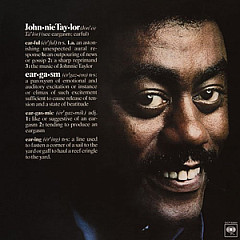
The first #1 hit with the word "disco" in the title wasn't a disco song. It was an R&B song called "Disco Lady" by Johnnie Taylor in 1976. The lady he's singing about is disco, but the song isn't.
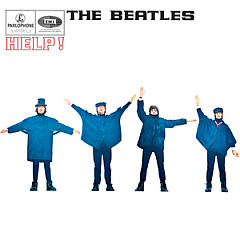
The melody to "Yesterday" came to Paul McCartney in a dream, but the lyrics he had to write consciously. His first attempt at the title was "Scrabble Eggs."
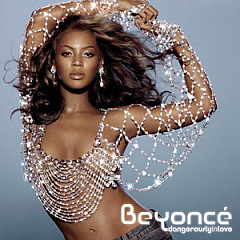
Jay-Z did the rap on Beyoncé's "Crazy In Love" at the last minute. They had just started dating; she asked him to feature on the track the night before she had to turn in her album.
The first version of The Beatles' "Helter Skelter" was a 27-minute jam, so you can imagine what Ringo was going through pounding away on drums. To convince the guys he needed a break, he screamed, "I've got blisters on my fingers!" This was included on the fadeout.
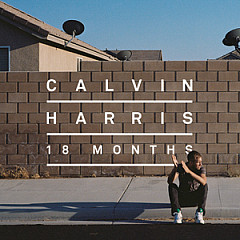
"Thinking About You" was the ninth track from Calvin Harris' 18 Months album to enter the UK singles Top 10. No other artist has obtained so many hits from one LP - Michael Jackson was the previous record holder with seven Top 10 tunes from both his Bad and Dangerous sets.
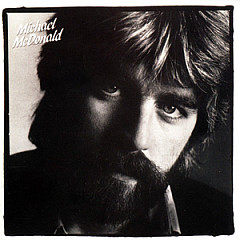
Michael McDonald's "I Keep Forgettin'" is based on a '60s song with the same title written by Jerry Leiber and Mike Stoller.
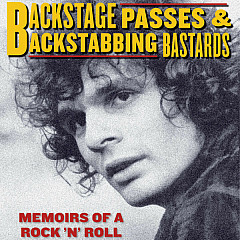
Kooper produced Lynyrd Skynyrd, played with Dylan and the Stones, and formed BS&T.
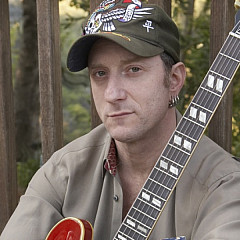
Oliver Leiber talks about writing and producing hits for Paula Abdul, and explains his complicated relationship with his father, the songwriter Jerry Leiber.
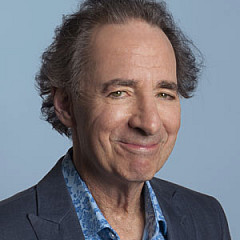
Harry is Derek Smalls in Spinal Tap, Mark Shubb in The Folksmen, and Mr. Burns on The Simpsons.
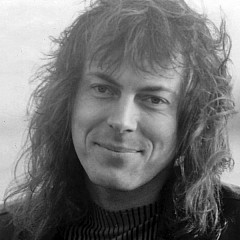
Dokken frontman Don Dokken explains what broke up the band at the height of their success in the late '80s, and talks about the botched surgery that paralyzed his right arm.

The Kiss rocker covers a lot of ground in this interview, including why there are no Kiss collaborations, and why the Rock Hall has "become a sham."
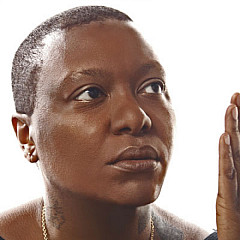
Meshell Ndegeocello talks about recording "Wild Night" with John Mellencamp, and explains why she shied away from the spotlight.