Garageland

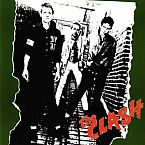
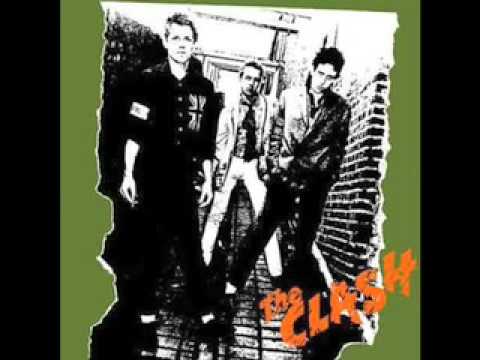
Album: The Clash (1977)
Play Video

Songfacts®:

  • This song was inspired by a very specific piece of journalism: a review of The Clash's third ever live show at Screen on the Green in August 1976. The respected NME critic Charles Shaar Murray reviewed the show, and noted that The Clash were "the sort of garage band who should be speedily returned to the garage, preferably with the motor running."

    Singer Joe Strummer appeared to take these comments very personally, and in many interviews afterwards was fiercely critical of music journalists in general. In 1999 he explained to Gavin Martin: "He was saying that our whole work of art was so piss-poor we should be executed immediately, which is pretty severe criticism, don't you think? At least it was clear-cut. There was no f--king around with poncy intellectual bollocks. He said what he meant. But so did we."

    The biggest irony is that two years later Shaar Murray would undergo a massive U-turn and declare The Clash "the greatest rock band in the world" - although NME journalists suddenly changing their mind about a band when they become popular is hardly a rare phenomenon!
  • The lyrics are not just a celebration of the garage band culture as the chorus would suggest, but are in fact a mournful reflection on how the Punk scene was exploding, and bands were no longer playing in small squats and garages; record companies were arriving with contracts to record in big studios and throw aside the DIY origins that built Punk rock in the first place:

    "People ringing up making offers for my life, but I just want to stay in the garage all night"
    "Meanwhile things are hotting up in the West End alright, contracts in the offices, groups in the night, My bummin' slummin' friends have all got new boots, An' someone just asked me if the group would wear suits."

    It was The Clash's way of acknowledging that even they themselves are moving away from their Punk origins, and as the scene grows bigger, this loss of the DIY origins is an inescapable consequence.
  • Musically this song is very different from the raw Punk Rock of the rest of The Clash's first record, taking a slower Classic Rock sound reminiscent of Mott the Hoople in places (the main riff is very much influenced by the Hoople's "All The Way From Memphis"), and featuring plaintive harmonica played by guitarist Mick Jones as well as Pop vocal harmonies. All of this explains the decision to place it at the very end of the record as the last track on both the UK and US versions. Guitarist Mick Jones explained to Kris Needs upon the album's release that it had to be the last song on the album because "it indicated where we're moving to next."
  • The Clash first played this song live in March 1977, and it remained in the band's setlist for the rest of their career right up until 1985. It was one of the few songs to survive from their very first album (alongside "Janie Jones") and regularly used as an encore. A slower, bluesy version of the song was performed as a mock practice session in the film Rude Boy.
  • According to bassist Paul Simonon, the line, "Complaints! Complaints! Wot an old bag" was inspired by an elderly woman who lived near to the Davies Road squat where the band started out practicing in their early days. As you would expect, she would constantly complain about the noise.

Comments

Be the first to comment...

Editor's Picks

Does Jimmy Page Worship The Devil? A Look at Satanism in Rock

Does Jimmy Page Worship The Devil? A Look at Satanism in RockSong Writing

We ring the Hell's Bells to see what songs and rockers are sincere in their Satanism, and how much of it is an act.

Bryan Adams

Bryan AdamsSongwriter Interviews

What's the deal with "Summer of '69"? Bryan explains what the song is really about, and shares more of his songwriting insights.

Rush: Album by Album - A Conversation With Martin Popoff

Rush: Album by Album - A Conversation With Martin PopoffSong Writing

A talk with Martin Popoff about his latest book on Rush and how he assessed the thousands of albums he reviewed.

Spooner Oldham

Spooner OldhamSongwriter Interviews

His keyboard work helped define the Muscle Shoals sound and make him an integral part of many Neil Young recordings. Spooner is also an accomplished songwriter, whose hits include "I'm Your Puppet" and "Cry Like A Baby."

Gary Brooker of Procol Harum

Gary Brooker of Procol HarumSongwriter Interviews

The lead singer and pianist for Procol Harum, Gary talks about finding the musical ideas to match the words.

Who's Johnny, And Why Does He Show Up In So Many Songs

Who's Johnny, And Why Does He Show Up In So Many SongsSong Writing

For songwriters, Johnny represents the American man. He has been angry, cool, magic, a rebel and, of course, marching home.