Guns on the Roof

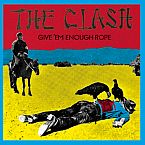
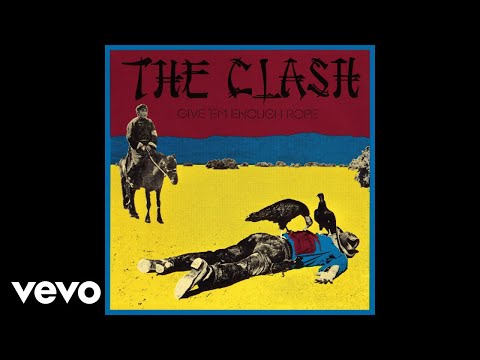
Album: Give 'Em Enough Rope (1978)
Play Video

Songfacts®:

  • The title for this song comes from a specific incident in March 1978, where several friends of drummer Topper Headon turned up at The Clash's rehearsal space to sell him an air rifle. They, along with roadie Robin Crocker and bassist Paul Simonon, went up to the roof and began shooting at nearby pigeons, not realizing that they weren't ordinary pigeons - they were in fact very expensive racing pigeons. A British Rail worker then spotted the shooters and reported them to CID, believing that they were anarchists taking pot shots at passing trains on the mainline into Euston station. Road manager Johnny Green described the situation as "really quite serious. These guys who broke into rehearsals with guns really meant business. There was a helicopter circling overheard, policemen shouting down... it was f--king heavy."

    Simonon adds: "They'd called out the whole police force. There's a helicopter above us, eight police vans and the Sweeney (Flying Squad) with guns. All we had as an air rifle."

    Charges of attempted manslaughter were later dropped through lack of evidence, although they were fined £30 each and had to pay the owner of the racing pigeons £700 in compensation. The present song was given the title "Guns on the Roof" as a joke when it was being worked on in sessions, and the name stuck.
  • Musically, this is yet another variant of the main riff from The Who's song "I Can't Explain," which the band obviously liked as it had already inspired the main riffs to both "Capital Radio One" and "Clash City Rockers."

    Lyrically, it actually has nothing to do with the pigeon-shooting incident, although Joe Strummer's opening line about swearing to tell the whole truth - as a defendant would in court - only adds to the misconception about the lyrics which are actually about international terrorism and assassins spawned from corrupt governments ("A system built by the sweat of the many creates assassins to kill off the few"). The Clash were calling out those who oppress their own people with often brutal results ("They torture all the women and children, then they've put the men to the gun, 'cause across the human frontier, freedom's always on the run").
  • This was introduced to The Clash's set in April 1978 at the Rock Against Racism festival in Victoria Park, London. At this stage and for the rest of its performances through the year, the song wasn't quite finished. It was played in complete form on the Pearl Harbour tour in 1979 and was dropped thereafter.

Comments

Be the first to comment...

Editor's Picks

Does Jimmy Page Worship The Devil? A Look at Satanism in Rock

Does Jimmy Page Worship The Devil? A Look at Satanism in RockSong Writing

We ring the Hell's Bells to see what songs and rockers are sincere in their Satanism, and how much of it is an act.

Bryan Adams

Bryan AdamsSongwriter Interviews

What's the deal with "Summer of '69"? Bryan explains what the song is really about, and shares more of his songwriting insights.

Rush: Album by Album - A Conversation With Martin Popoff

Rush: Album by Album - A Conversation With Martin PopoffSong Writing

A talk with Martin Popoff about his latest book on Rush and how he assessed the thousands of albums he reviewed.

Spooner Oldham

Spooner OldhamSongwriter Interviews

His keyboard work helped define the Muscle Shoals sound and make him an integral part of many Neil Young recordings. Spooner is also an accomplished songwriter, whose hits include "I'm Your Puppet" and "Cry Like A Baby."

Gary Brooker of Procol Harum

Gary Brooker of Procol HarumSongwriter Interviews

The lead singer and pianist for Procol Harum, Gary talks about finding the musical ideas to match the words.

Who's Johnny, And Why Does He Show Up In So Many Songs

Who's Johnny, And Why Does He Show Up In So Many SongsSong Writing

For songwriters, Johnny represents the American man. He has been angry, cool, magic, a rebel and, of course, marching home.